Trump Turns Ramaswamy’s Attack Ad Into a Republican Test of Loyalty
Trump Turns Ramaswamy’s Attack Ad Into a Republican Test of Loyalty
A brutal Ohio governor’s race has become a broader Republican showdown over whether political victory justifies weaponizing a family’s history of abuse.
Vivek Ramaswamy’s campaign ad features Amy Acton’s estranged mother, Donna Arthur, calling the Democratic candidate a “liar” and warning Ohio voters not to elect her. Acton has said she has not seen her mother since childhood, after Arthur remained married to a man charged with raping Acton when she was between 10 and 12 years old. The case never went to trial.
That background has driven bipartisan criticism. Ohio Gov. Mike DeWine, while maintaining his endorsement of Ramaswamy, called the ad “deeply, deeply troubling” and urged the campaign to remove it. Republican figures including Sen. Jon Husted and Secretary of State Frank LaRose also distanced themselves from the spot, with Husted saying, “I would not have run that ad.”
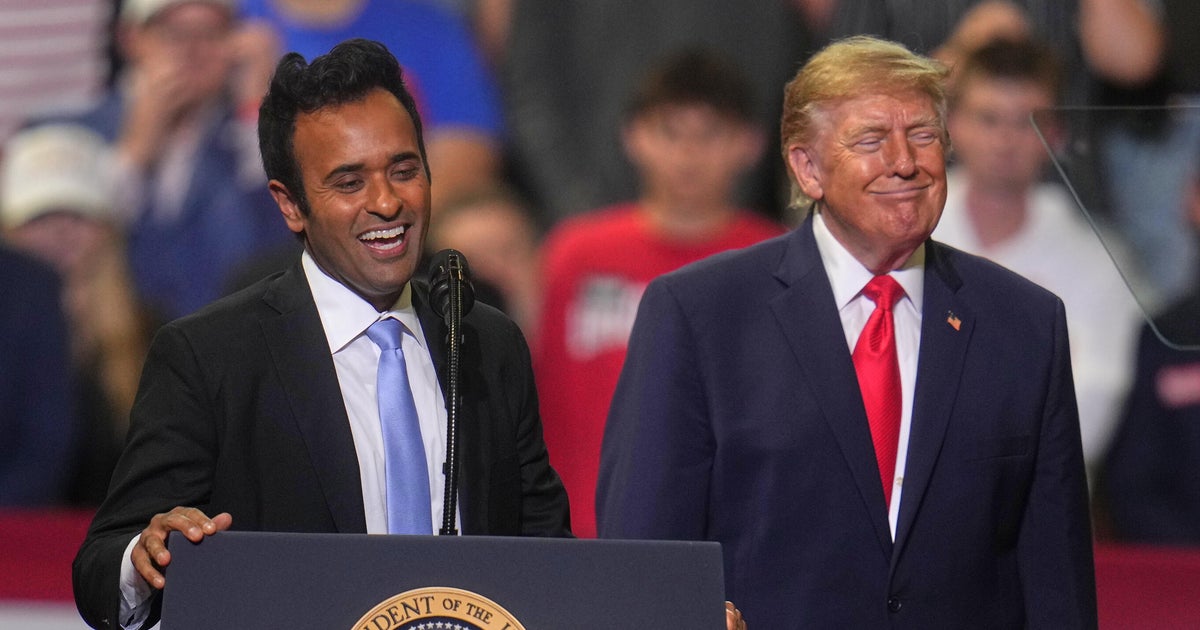
Trump, however, cast the controversy as proof of Republican disloyalty. He praised the commercial as “very powerful,” accused DeWine of helping Democrats and urged Ramaswamy to keep airing it. Trump later said he was unaware of the abuse allegations when he first defended the ad, but continued to argue that a mother’s criticism of her daughter was politically decisive.
Vice President JD Vance took a similar position, dismissing concerns about whether the ad was appropriate and accusing Republicans of “whining” more about the commercial than about Democratic policies. Ramaswamy’s campaign likewise invoked alleged Democratic “double standards,” arguing that candidates’ relatives have been used against Republicans.
The competing arguments reveal the central divide. DeWine and other Republicans frame the ad as an unacceptable breach of political norms; Trump, Vance and Ramaswamy present criticism of it as weakness or media manipulation. Acton’s campaign, meanwhile, says the commercial turns childhood sexual abuse into a political weapon. The dispute is therefore less about policy than about whether outrage, loyalty and campaign advantage can override basic limits on personal attacks.
Write a comment