Deadly Wainwright Fire Raises Questions About Military Safety Decisions
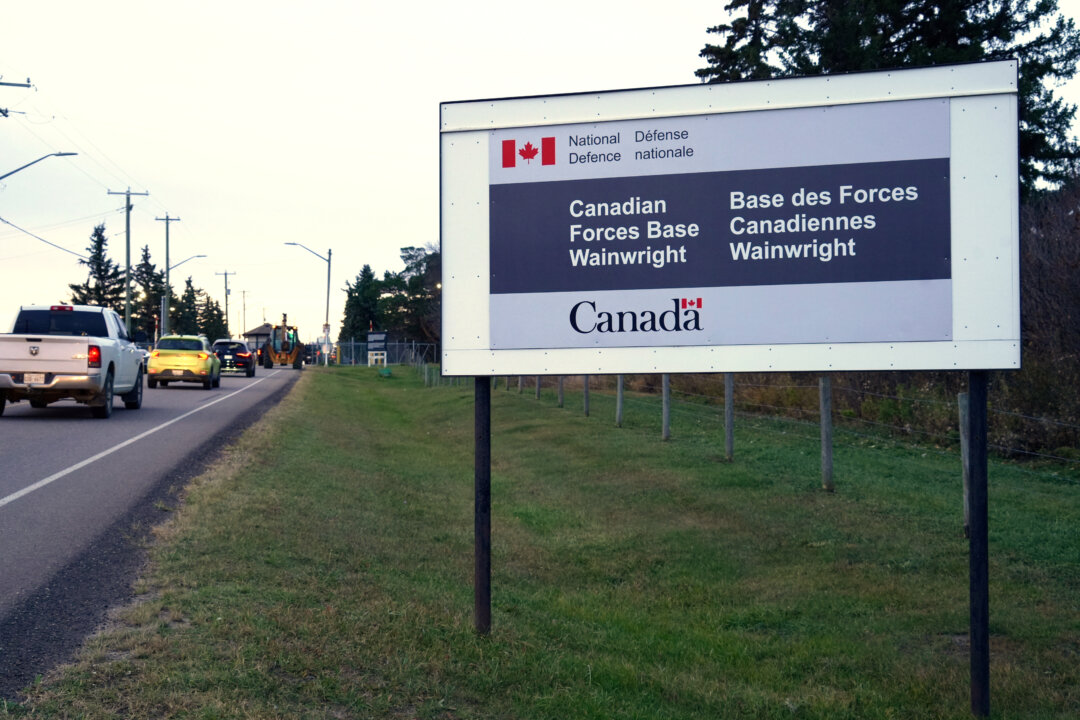
Deadly Wainwright Fire Raises Questions About Military Safety Decisions
The deadly fire at Canadian Forces Base Wainwright began as a training incident but quickly became a test of military judgment, emergency response and battlefield-style safety procedures. Four soldiers were killed and 39 injured after flames spread from a grenade-launcher range to an area where troops were conducting further exercises.
Canadian officials have emphasized the role of rapidly changing weather. Brig. Gen. Vanessa Hanrahan said the blaze initially remained inside a restricted danger area, limiting firefighters’ ability to attack it directly. A subsequent change in wind direction and speed “significantly increased the fire’s intensity and rate of speed,” she said. Prime Minister Mark Carney likewise attributed the disaster to “ferocious winds,” saying the flames traveled nearly a kilometer in less than a minute.
That account explains the fire’s sudden escalation, but it does not resolve whether the danger was recognized soon enough. Military officials knew about the blaze for hours and believed it was contained, according to the account provided by officials, while training continued. The fire later swept into a second range, where soldiers from the 3rd Battalion, Princess Patricia’s Canadian Light Infantry, and army reservists were preparing for a NATO mission in Latvia.
The more cautious conservative framing places greater emphasis on decisions made after ignition. Hanrahan said investigators would examine commanders’ choices, personnel responses and whether changes in wind direction were communicated to troops in the other training area. “It would be inappropriate for me to speculate now about all of those decisions,” she said, stressing that investigators must review the evidence before drawing conclusions.
The perspectives overlap on the central facts: the fire began during routine training and weather accelerated its spread. They differ in emphasis—official messaging foregrounds an extreme, fast-moving hazard, while the investigation’s harder question is whether procedures, communications or command decisions allowed soldiers to remain in its path.
Write a comment