The Supreme Court’s Student-ID Ruling Puts Election Stability Against Voter Access
The Supreme Court’s Student-ID Ruling Puts Election Stability Against Voter Access
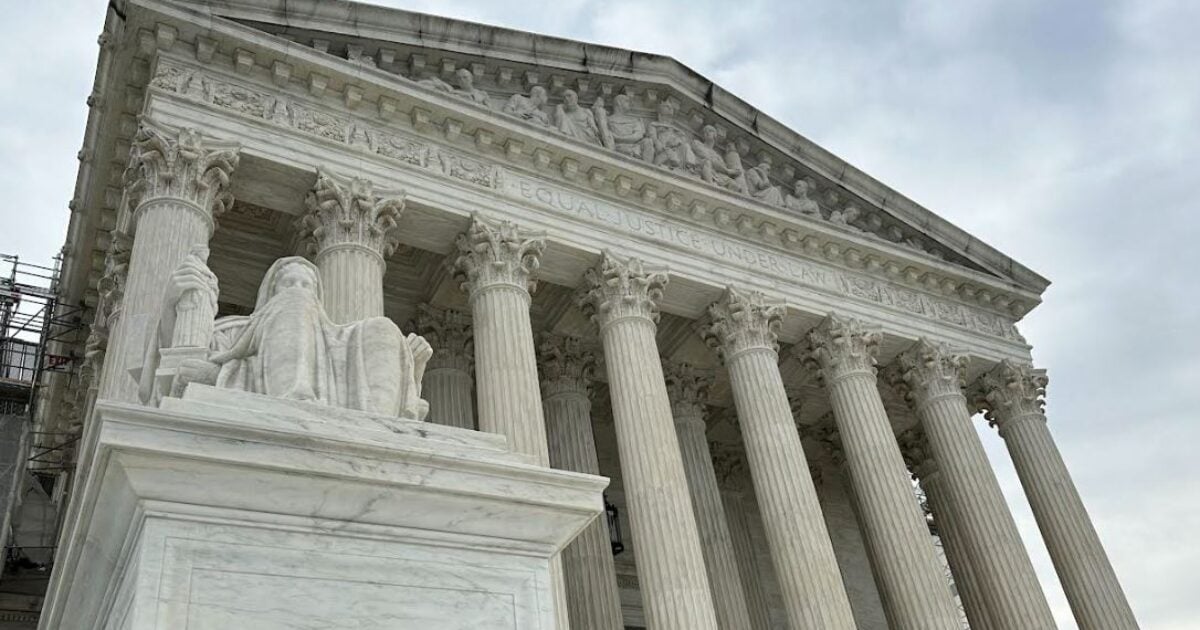
The Supreme Court has handed New Hampshire a consequential election victory just weeks before voting, barring student IDs as a backup form of voter identification. The ruling pits the court’s demand for electoral stability against concerns that last-minute restrictions could make voting harder for some students.
The unsigned decision, issued on an emergency basis, allowed the state to enforce guidance that goes beyond a recent law removing student IDs from the list of expressly accepted identification. The majority relied on the Purcell principle, which cautions federal courts against changing election rules close to Election Day. The court said the lower judge “did not point to anything that would justify deviating” from that rule.
Supporters framed the decision as a defense of clear, consistently applied election law. New Hampshire Attorney General John Formella called it “an important victory” against “last-minute court orders” that could create uncertainty for voters and election officials. The Republican National Committee backed the state’s emergency appeal, turning the dispute into part of a broader Republican argument that election procedures must be enforced as written.
The opposing view focused less on administrative clarity than on the practical effect for voters. Justice Ketanji Brown Jackson, the court’s lone public dissenter, argued that the lower court had not changed the state’s election rule but had required officials to consider student IDs alongside other evidence. “I would not disturb a clearly justifiable federal-court order,” she wrote, particularly with accurate public information about voting procedures at stake.
The divide mirrors a larger conservative-liberal split over emergency election litigation. Conservative accounts have portrayed the court as correcting lower-court overreach and rejecting “judicial activism” in a separate redistricting fight in Texas. Liberal coverage, by contrast, emphasizes the immediate burden on voters and Jackson’s warning that Purcell should not become an automatic shield for restrictive state guidance. The ruling settles the rule for these midterms, but not the underlying question: whether election certainty should outweigh a court’s duty to prevent avoidable barriers to the ballot.
Write a comment