NYC’s Horse-Carriage Ban Puts Animal Safety Against Workers’ Livelihoods
NYC’s Horse-Carriage Ban Puts Animal Safety Against Workers’ Livelihoods
New York City is ending one of its most recognizable traditions—but the vote has opened a new fight over who pays the price for a safer Central Park.
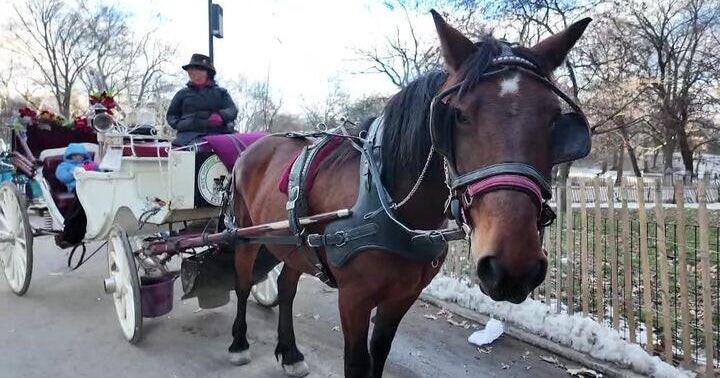
The City Council approved Romanch’s Law, named for 18-year-old Romanch Mahajan, who died after being thrown from a runaway carriage, by a 40-7 vote. The measure would end carriage operations by June 2028 and require a transition plan for workers and owners in 2027. Supporters say the phaseout is an overdue response to repeated accidents, crowded park conditions and concerns about the treatment of horses. City Council Speaker Julie Menin argued that carriages pose a “serious and even fatal safety risk” to visitors, drivers and animals.
The safety case has received support from the Central Park Conservancy and animal-rights advocates, who say Mahajan’s death exposed risks that cannot be solved through incremental regulation. The legislation also requires the “humane disposition” of carriage horses and bars their transfer to another carriage business. Mayor Zohran Mamdani has promised that workers will be protected and the horses kept safe, and his administration is expected to sign the bill.
Operators and their union see the same legislation very differently. TWU President John Samuelsen called claims of meaningful retraining support “utterly false,” arguing that the bill merely says consideration will be given rather than guaranteeing jobs, compensation or a viable exit from the industry. Owners say family businesses, medallions and major investments are being wiped out, while the union is preparing a federal lawsuit.
Conservative critics, including former President Donald Trump, frame the decision as an ideological attack on a historic tourist attraction. Trump called the carriage trade a “quintessential New York experience” and said its removal was driven by “political reasons.” City officials counter that the law strengthens worker protections and addresses a long-running public-safety dispute. The central unresolved question is whether the transition plan can match the scale of the livelihoods the ban will eliminate.
Write a comment