Musk’s Skydance Investment Deepens Concerns Over Billionaire Control of News
Musk’s Skydance Investment Deepens Concerns Over Billionaire Control of News
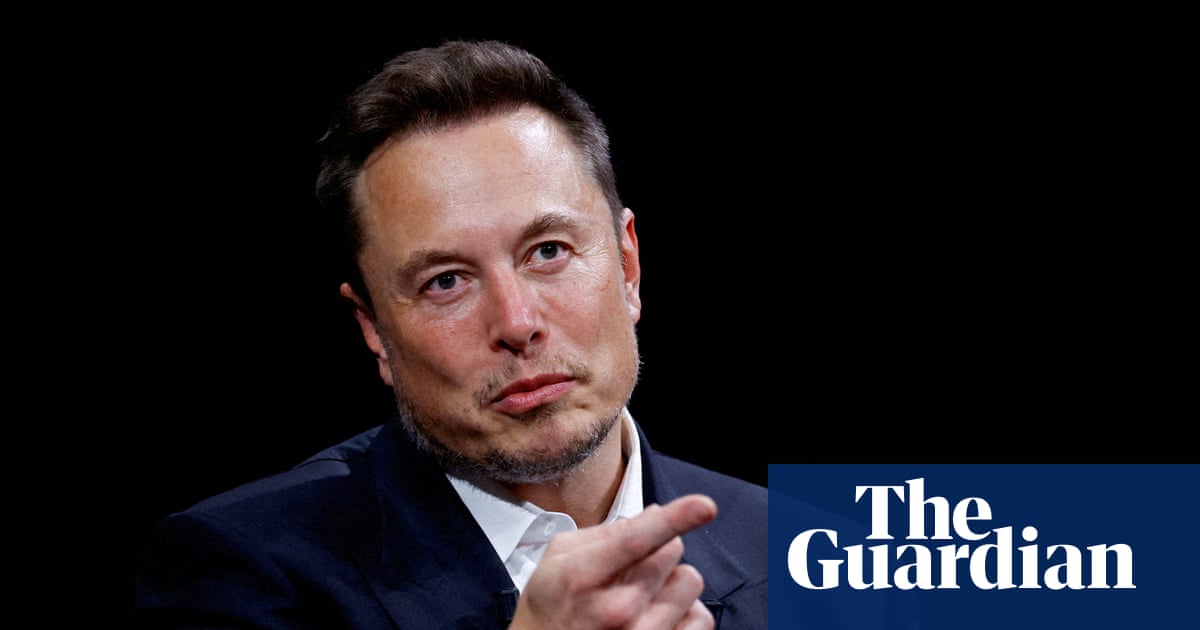
Elon Musk’s reported $1 billion investment in Skydance is more than a media deal: it brings one of the world’s most politically influential billionaires into a company burdened by debt and entrusted with major news outlets.
The investment, first reported by Semafor and later confirmed by CNBC sources, has not been publicly announced by Musk or Skydance. From a conservative perspective, it appears to validate speculation that Musk could provide further capital—or even connect SpaceX with Skydance—as the merged company works to reduce nearly $80 billion in debt. Media investor John Malone predicted a “global output deal for Skydance with SpaceX” and a possible investment by SpaceX to help “de-lever Skydance.”
That interpretation presents Musk’s involvement primarily as a financial solution. But it also acknowledges the political implications. Skydance is led by David Ellison, whose father, Oracle co-founder Larry Ellison, has backed Musk and is an ally of President Donald Trump. The conservative account notes that those connections had already prompted concern about Skydance’s control of CNN and CBS News; Musk’s reported investment could intensify scrutiny.
The liberal perspective puts the emphasis elsewhere: concentrated political power, newsroom independence and the human cost of the merger. It describes the deal as strengthening an alliance between two major Trump financial backers, noting Musk’s extensive Republican spending and Larry Ellison’s support for both Musk and Trump. It also highlights management’s warning that integration would involve “difficult decisions that affect our workforce,” alongside a $6 billion savings target that Los Angeles officials estimate could cost 4,500 local film and television jobs.
Both accounts agree that the investment comes at a pivotal moment for Skydance. They diverge over what matters most: financial rescue and possible expansion on one side, versus ownership concentration, editorial safeguards and layoffs on the other. The unresolved question is whether Musk is merely an investor—or an emerging force in the direction of a powerful media conglomerate.
Write a comment