Bukele Takes El Salvador’s Gang War to Haiti as a Hostage Rescue Becomes a Test of Force
Bukele Takes El Salvador’s Gang War to Haiti as a Hostage Rescue Becomes a Test of Force
El Salvador’s hostage-rescue operation in Haiti has turned a multinational security mission into a high-stakes test of whether President Nayib Bukele’s hard-line strategy can travel beyond his own borders. The effort also exposes conflicting accounts of who was abducted and what role Salvadoran forces were meant to play.
A conservative account describes the victims as “4 missing soldiers who came under attack,” emphasizing the direct assault on Salvadoran personnel. The more detailed account identifies them as four Salvadoran aviation technicians who were working with the international mission, underscoring that El Salvador’s initial contribution was reportedly limited to pilots and technical staff.
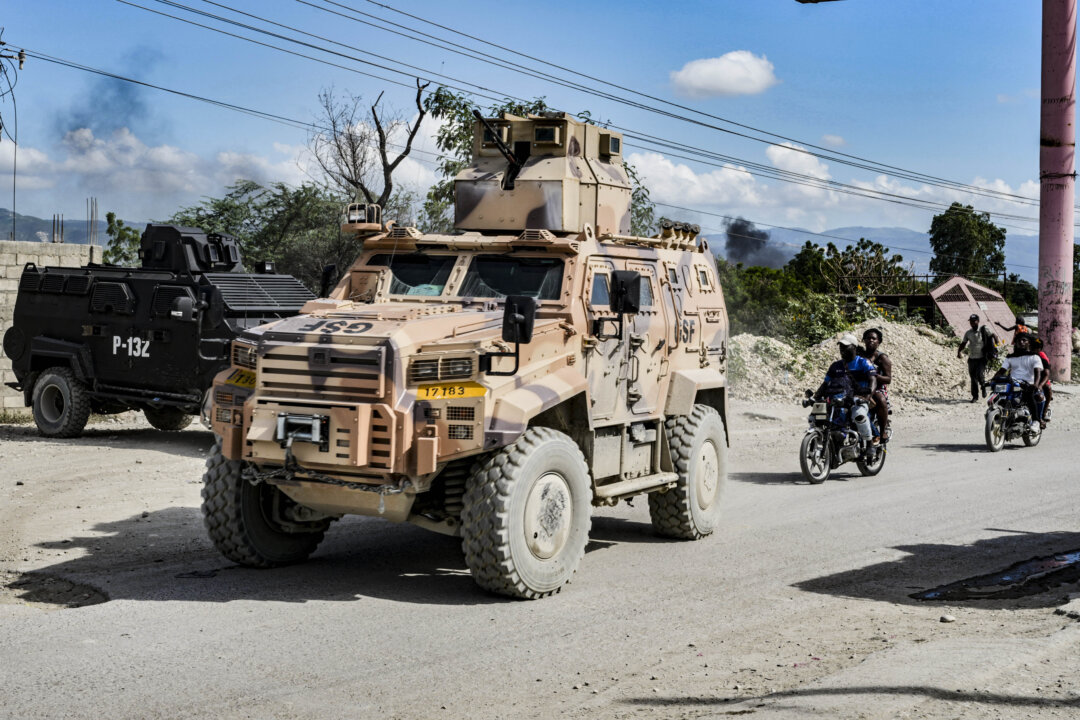
That distinction matters. The Salvadoran contingent joined the Haiti mission primarily for medical evacuations, but lawmakers later authorized civilian and military personnel according to the mission’s needs. After an armored vehicle carrying the four men came under fire near Croix-des-Bouquets on Oct. 18, Bukele said they escaped the burning vehicle before contact was lost and that they had been abducted.
Supporters present the response as an extension of Bukele’s domestic record. His government’s state of exception and mass arrests drove reported homicides sharply lower, and the article argues that this success gives weight to his warning to Haitian gangs: “We have already dealt with the gangs in El Salvador, and we can deal with you too.”
Critics, however, would point to the vastly different conditions. Haitian gangs control large parts of Port-au-Prince, while the international force remains under pressure and the hostages’ fate was still unknown as of Oct. 22. Haiti’s government called their release an “absolute priority,” while U.S. officials backed the rescue effort. The operation therefore carries two competing meanings: a demonstration of resolve for Bukele’s admirers, and a potentially perilous attempt to apply a centralized, militarized model to Haiti’s fragmented security crisis.
Write a comment