Taiwan’s Typhoon Toll Exposes the Uncertainty Behind Fast-Moving Disaster Reports
Taiwan’s Typhoon Toll Exposes the Uncertainty Behind Fast-Moving Disaster Reports
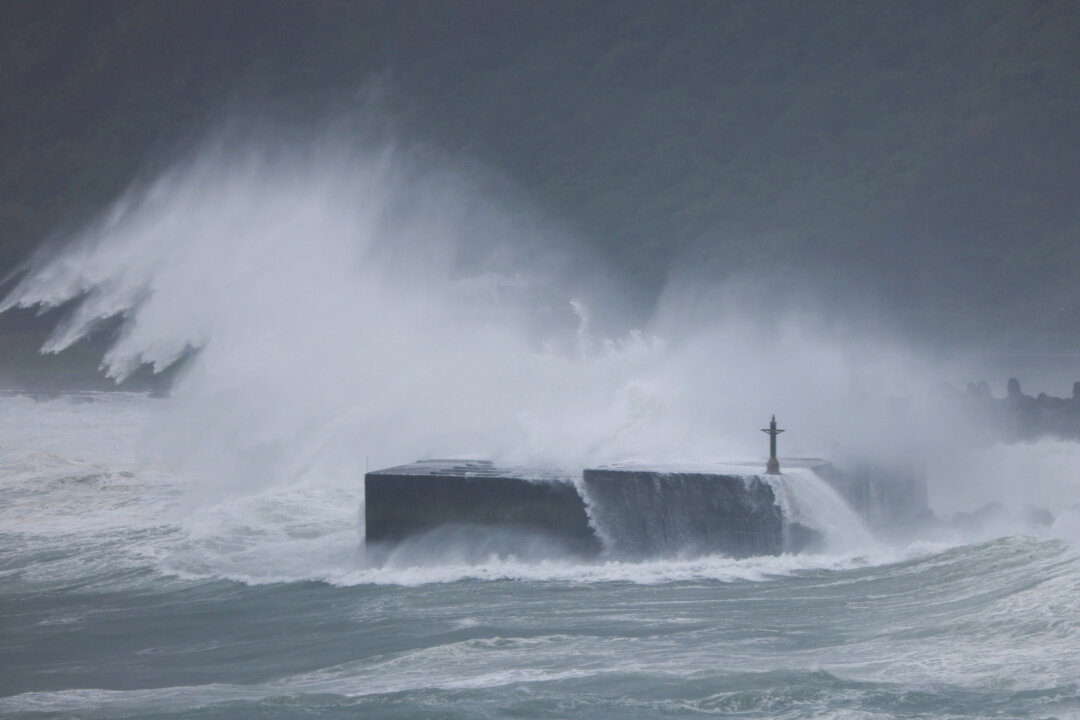
Typhoon Champi battered Taiwan with destructive winds and torrential rain, leaving one person dead and hundreds injured while exposing how quickly disaster figures can shift during a live crisis.
The storm’s confirmed toll was clear but evolving. A report citing Taiwan’s Central Emergency Operation Center put the number of injured at 350 as of Friday evening, up from 163 just six hours earlier, with no one listed as missing. It said the fatality was a man swept away by waves off Liuqiu Township in Pingtung County; he was later pronounced dead in hospital.
A later account gave a substantially higher injury figure: 527 people, according to Taiwan’s fire department. It also described Champi as having uprooted trees, cut electricity to more than 167,000 homes and forced a second day of school and office closures across parts of northern and central Taiwan. The difference between the two counts appears to reflect the timing and source of the reports rather than a disagreement over the single confirmed death.
Both accounts portray a storm that Taiwan largely weathered without a larger loss of life, but they emphasize different dimensions of the disruption. The first focuses on emergency coordination, transport interruptions and the altered port schedule of a military vessel during a major U.S.–Japan exercise near the island. The second stresses the storm’s broader civilian impact, including cancelled flights, power outages and Champi’s status as one of the Pacific’s strongest storms of the year.
Champi was weakening as it moved north toward China, with forecasts also pointing toward southern Japan. Yet the contrasting casualty snapshots underline a central challenge of covering extreme weather: the human cost often becomes clearer only after the winds have begun to recede.
Write a comment