Jordan church massacre exposes the fog around an attack still short on answers
Jordan church massacre exposes the fog around an attack still short on answers
A funeral meant to honor the dead became the scene of another mass killing in Jordan, turning a place of mourning into a target and leaving authorities struggling to explain who was responsible.
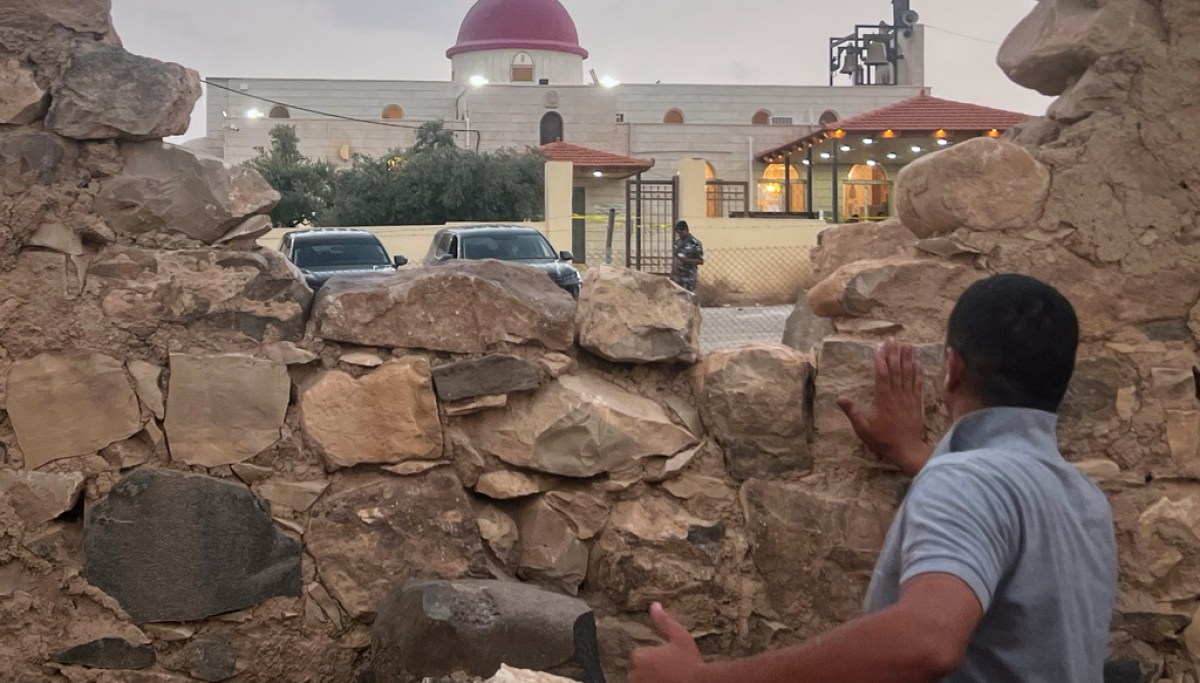
Gunmen opened fire at a Greek Orthodox church in Karak, about 180km south of Amman. Both accounts agree that seven people were killed, but they differ on the number wounded: one report puts the figure at 34, while another says 40. The discrepancy underscores how unsettled the immediate picture remains.
The more detailed account describes footage appearing to show two men with pistols approaching the church, followed by a third carrying a semiautomatic rifle. Witness video reportedly showed shattered glass and blood inside the building. A mourner, Dorgham Halasa, recalled that “intense gunfire erupted 15 minutes after the funeral had started,” prompting panic among those inside.
Authorities have offered condemnation but few concrete details. The government said the attack was carried out by “unknown assailants” and that investigations were proceeding, without saying whether suspects had been arrested or killed. Prime Minister Jafar Hassan attributed the violence to terrorist ideology and “blind extremism,” while King Abdullah II promised the “harshest penalties.”
The attack also revives memories of Karak’s 2016 violence, when gunmen killed 10 people, including seven police officers. Jordan has declared three days of mourning, and regional leaders and the United Nations condemned the shooting. Yet the unresolved questions—especially the attackers’ identities, motive and exact casualty toll—remain as consequential as the official promises of accountability.
Write a comment