Rubio’s Cuba Appeal Turns a Policy Threat Into an Open CIA Recruitment Pitch
Rubio’s Cuba Appeal Turns a Policy Threat Into an Open CIA Recruitment Pitch
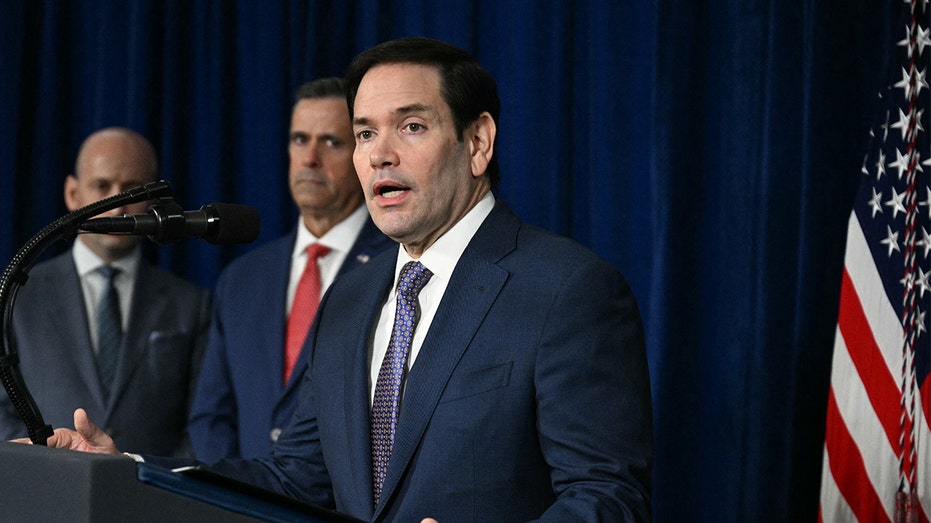
Marco Rubio has transformed Washington’s long-running pressure campaign against Cuba into a strikingly explicit appeal for cooperation with U.S. intelligence—just as Donald Trump revived talk of military intervention near the island.
In the conservative account, the secretary of state’s message is a direct call to Cubans frustrated by corruption, failed promises and elite privilege. Rubio urged those seeking “positive change” to act now and pursue “a discrete partnership with the CIA.” The framing presents covert cooperation as an opportunity for Cubans themselves to force political change, rather than as an imposed American operation.
Rubio repeated the appeal in a post on X, writing: “To those who seek to create positive change in Cuba - now is the time.” But the wording also introduced confusion: “discrete” generally means separate, while “discreet” means private or secret. The apparent error undercut the precision of a message centered on clandestine activity.
The liberal account places the statement in a wider and more dangerous context. Rubio’s post came shortly after Trump suggested that U.S. warships returning from the Iran war could stop near Cuba, with Rubio sent “to finish up the deal.” From this perspective, the CIA appeal was not an isolated rhetorical flourish but part of a campaign combining sanctions, diplomatic pressure and increasingly public intervention threats.
Havana seized on that implication. Cuban Deputy Foreign Minister Carlos Fernández de Cossío mocked what he called “public recruitment for the CIA,” arguing that Washington’s language reflected desperation within the agency. Both perspectives acknowledge Cuba’s severe economic crisis and political discontent. They diverge over what those conditions justify: Rubio’s camp portrays them as an opening for change, while critics see an escalatory U.S. strategy that risks turning domestic hardship into a pretext for covert or military action.
Write a comment