Trump’s DOJ Escalates California Election Fight Over Suspected Noncitizen Ballots
Trump’s DOJ Escalates California Election Fight Over Suspected Noncitizen Ballots
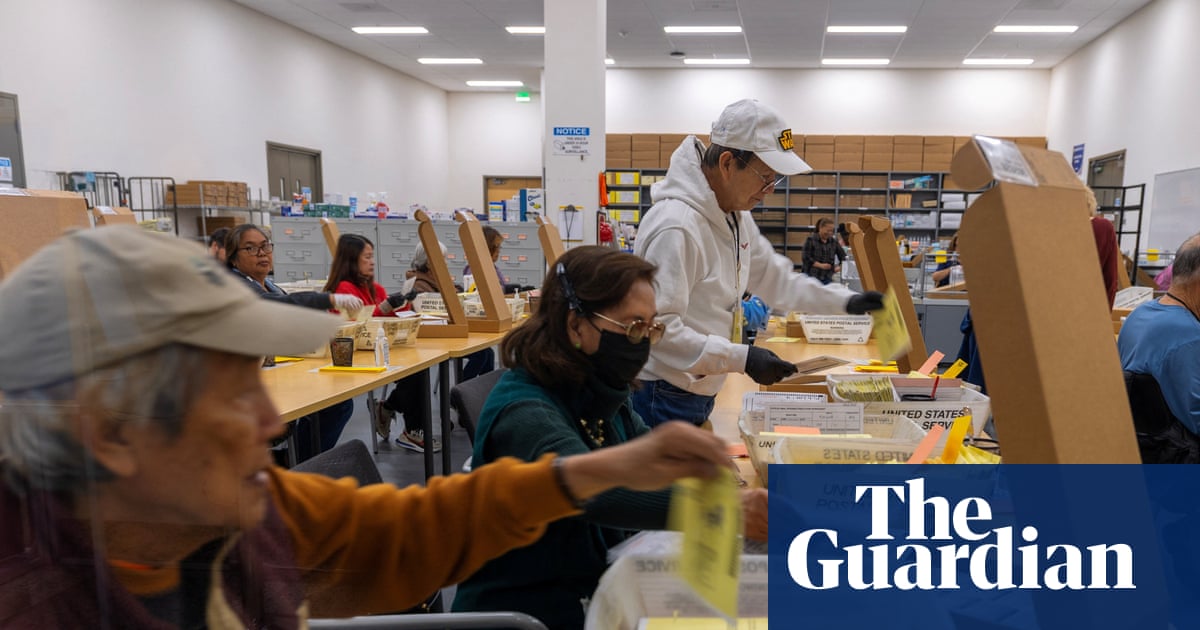
The Justice Department has intensified its clash with California election officials by ordering at least 18 counties to identify and set aside ballots allegedly linked to noncitizens—just as voting is already underway and hundreds of thousands of ballots have been counted.
Federal prosecutors gave county registrars 48 hours to provide voter-identification records and sequester ballots whose holders’ citizenship could not be verified. The department says the move is necessary to prevent unlawful voting. First Assistant U.S. Attorney Bill Essayli warned that “any election official who knowingly processes the ballot of a noncitizen is opening themselves to legal jeopardy.”
The demand is part of a broader federal effort targeting California’s voter rolls. In San Bernardino County alone, the DOJ identified 1,133 suspected noncitizen voters, while federal authorities have charged 28 people in a statewide enforcement sweep. The administration argues that obtaining registration records and related identifying information will allow officials to determine which cases represent illegal voting.
California officials see the same data very differently. The secretary of state and Los Angeles County registrar argue that the federal lists are unreliable and that removing or delaying ballots could disenfranchise eligible citizens, postpone certification and damage confidence in the midterm results. More than 23 million Californians are registered, and the state says over 330,000 mail ballots had already been counted when the letters arrived.
The central dispute is therefore not whether noncitizen voting is illegal—it is—but whether federal suspicions justify intervening in active election administration. Available data indicate that such voting is rare, difficult to prove and has not been shown to change election outcomes. Democratic Sen. Alex Padilla called the campaign an attempt to interfere in California elections, saying the DOJ had offered no evidence of widespread fraud and lacked authority to threaten local officials.
A court hearing on the underlying case is scheduled for Tuesday, as the administration seeks an appellate ruling before a district judge can decide whether the ballots may be counted.
Write a comment