Ramaswamy’s Ohio Ad Turns a Family Feud Into a Campaign Liability
Ramaswamy’s Ohio Ad Turns a Family Feud Into a Campaign Liability
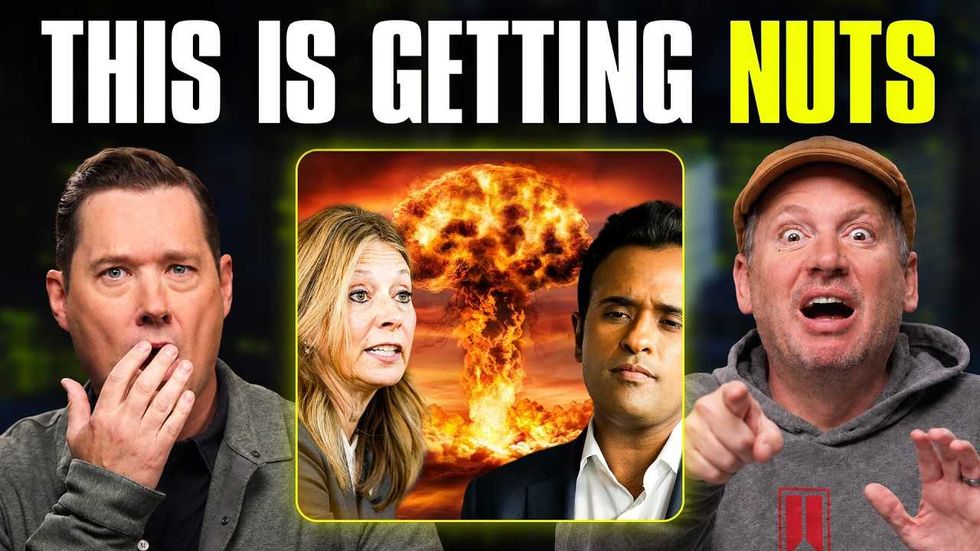
Vivek Ramaswamy’s Ohio governor campaign is facing a backlash that has transformed a provocative attack ad into a broader test of political judgment—and potentially a liability in a competitive race.
The ad featured the estranged mother of Democratic rival Amy Acton, drawing criticism over its use of a deeply personal family conflict. One conservative account described the reaction as “Backlash EXPLODES,” while another reported that the controversy had begun affecting the electoral landscape.
The Cook Political Report shifted the race from “Toss-Up” to “Leans Democrat,” according to reporting cited in the conservative coverage. That change does not establish that the ad alone caused a movement in the race, but it underscores how quickly a campaign tactic can become a strategic problem when voters view it as exploitative rather than persuasive.
Ramaswamy, however, has not conceded that the ad crossed a line. Coverage framed his position as a defense of the spot featuring Acton’s estranged mother. Former President Donald Trump offered an even more forceful counterargument, reportedly endorsing the ad while criticizing media efforts to pressure Ramaswamy into removing it.
That split captures the central political calculation. Supporters see an aggressive attempt to define Acton through her family history and resist what they regard as media interference. Critics see a campaign crossing from policy contrast into private-life weaponization. Both sides are treating the episode as more than an isolated advertisement: it is a fight over what forms of political attack remain acceptable.
JD Vance’s broader message about Ohio likewise framed the contest as a struggle over the state’s identity, saying Acton and Sherrod Brown represented “a rejection of what made Ohio great.” But the ad controversy has shifted attention away from that ideological argument and toward Ramaswamy’s tactics—precisely the terrain on which campaigns can lose control of their own message.
Write a comment