Netanyahu’s West Bank crackdown turns a deadly attack into an election-year test of security and restraint
Netanyahu’s West Bank crackdown turns a deadly attack into an election-year test of security and restraint
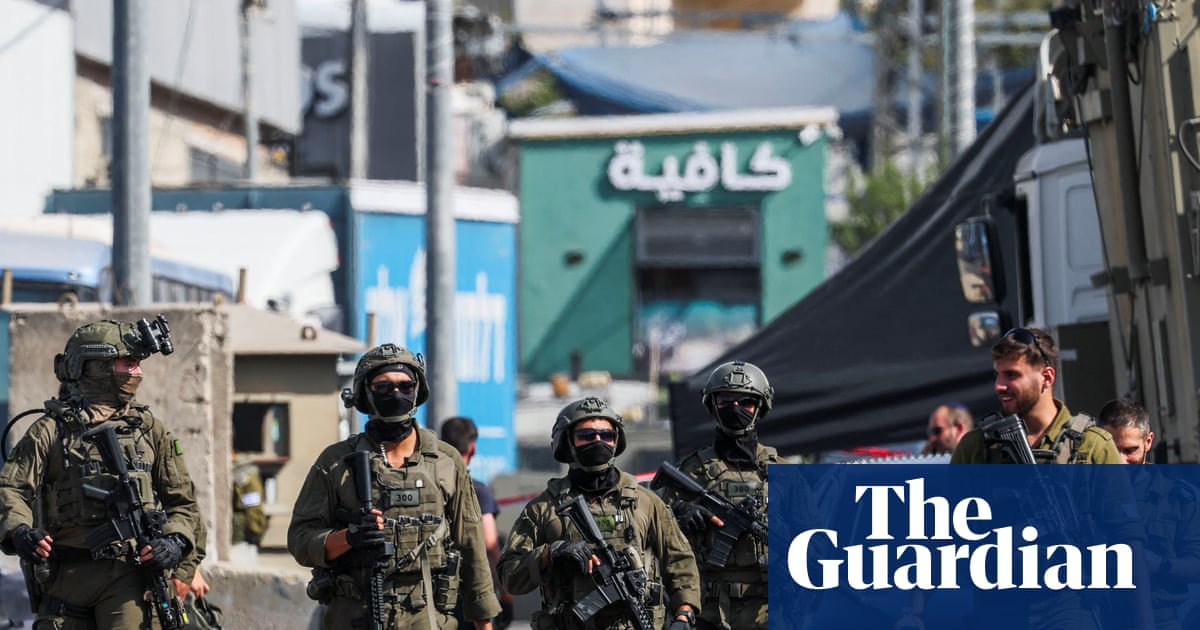
The killing of two Israeli soldiers near Hebron has triggered a sweeping Israeli response that reaches far beyond the original gun battle. Benjamin Netanyahu’s promised West Bank operation now sits at the intersection of counterterrorism, civilian restrictions and an election-year contest over who can project the toughest security image.
Israeli officials and conservative outlets frame the operation as a necessary effort to prevent a larger attack. The military said the two Palestinian gunmen used an M16 rifle and a handgun, and that weapons and ammunition found in their vehicle suggested plans for a broader assault on civilians. Netanyahu said, “Our first step will be to demolish this site and completely transform it,” before ordering troops to cordon off Hebron, remove residents from the attackers’ neighborhood and conduct house-to-house searches.
That account is reinforced by Israel’s military leadership. Chief of Staff Eyal Zamir called the incident “a serious terrorist attack” and said the soldiers’ response prevented further casualties. The conservative perspective consequently presents the lockdown, raids and arrests as an urgent counterinsurgency campaign—one that could dismantle an alleged Hamas network and deter further attacks.
The liberal perspective stresses what that response means for Palestinians. A full West Bank closure restricts movement between Palestinian communities while leaving routes open to Israeli settlers, and critics say demolitions and mass arrests risk punishing entire neighborhoods for the actions of two gunmen. Yariv Oppenheimer of Peace Now warned, “There will be house demolitions. We will see [a] curfew,” alongside more arrests and possible settler retaliation.
Both sides agree the attack was deadly and politically consequential. They diverge over its meaning: Israel’s government presents it as evidence of an expanding security threat, while rights advocates see an opportunity for tougher measures to be normalized. With voters due at the polls Tuesday, Netanyahu’s response may be designed to serve both purposes—disrupting suspected militants and reaffirming his national-security credentials—while deepening the West Bank’s cycle of violence and collective restriction.
Write a comment