Kim’s Bridge Opening Signals a Carefully Calibrated China Pivot
Kim’s Bridge Opening Signals a Carefully Calibrated China Pivot
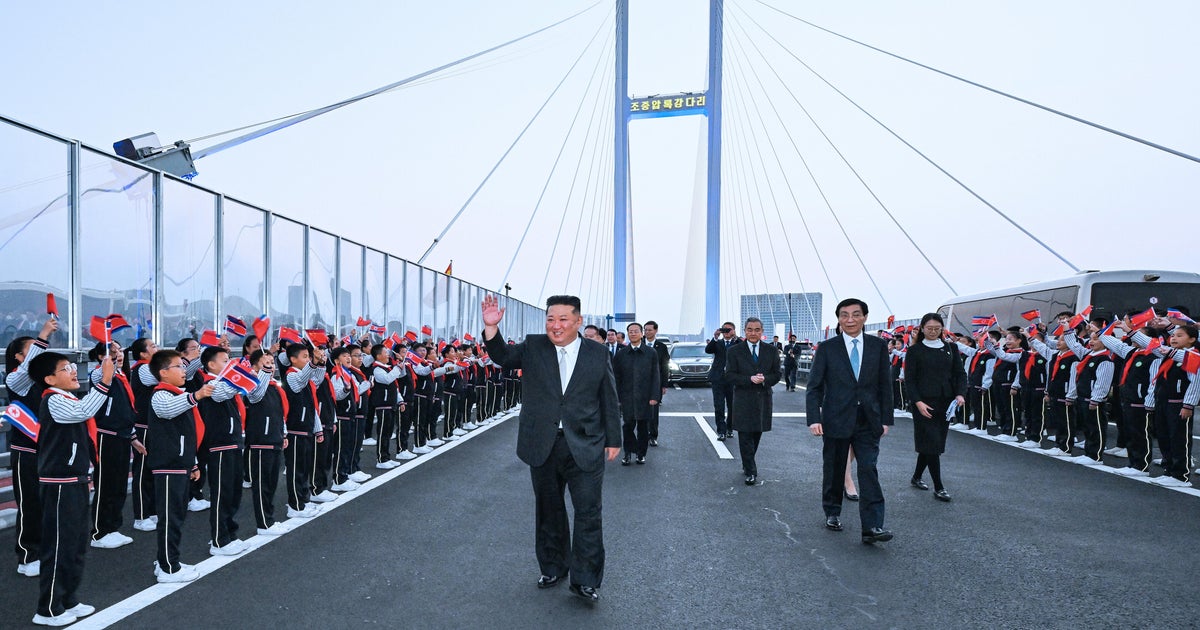
Kim Jong Un’s inauguration of a new bridge over the Yalu River was presented as a gesture of friendship—but it also carried the unmistakable weight of regional strategy. The visit showed North Korea seeking closer ties with China while navigating its expanding relationship with Russia and confrontation with the United States.
The conservative account emphasizes the event itself: Kim visited China to inaugurate a new cross-border bridge, framing the trip as a diplomatic and infrastructure milestone. The liberal report supplies a broader interpretation, describing the visit as Kim’s first trip to China in a year and part of an increasingly assertive foreign policy aimed at aligning Pyongyang with Beijing and Moscow against Washington.
The symbolism was carefully chosen. Kim visited a memorial to Chinese support for North Korea during the Korean War, then met Wang Huning, a senior member of China’s Communist Party leadership. North Korea said the two sides would preserve their “invincible DPRK-China friendship forged at the cost of blood,” a phrase that places historical loyalty at the center of the relationship.
Yet the bridge is more than ceremonial. Kim said it would “fulfill its historic mission of linking the two countries and firmly joining the minds of the peoples,” according to North Korean state media. That language reflects both economic and political ambitions: China remains North Korea’s traditional economic lifeline, while Beijing is seeking to restore influence after Pyongyang spent years prioritizing Moscow.
The competing perspectives therefore agree on the visible outcome—closer China-North Korea contact—but differ in emphasis. One treats the bridge as the story; the other sees it as evidence of a broader geopolitical realignment, shaped by North Korea’s military support for Russia and its effort to build a united front against the United States.
Write a comment