Israel’s Election Could Oust Netanyahu Without Changing Its Hard-Line Security Posture
Israel’s Election Could Oust Netanyahu Without Changing Its Hard-Line Security Posture
Israel’s election is a contest over both accountability and survival: voters are weighing Benjamin Netanyahu’s record after the Oct. 7 attacks against an opposition promising a different style of leadership, but not necessarily a different strategic direction.
The vote is Israel’s first since Hamas’s 2023 assault and comes as war, military mobilization and economic strain dominate public life. Netanyahu’s right-wing bloc and the opposition led by former military chief Gadi Eisenkot are both projected to fall short of the 61 seats needed to govern, leaving smaller religious, Arab and centrist parties with disproportionate leverage. The result could therefore change the coalition without settling the country’s deepest political disputes.
For Netanyahu’s supporters, the prime minister remains an experienced leader confronting threats from Hamas, Iran and Hezbollah. His critics instead see failures of preparedness and accountability, making the election an implicit judgment on the government’s handling of Oct. 7. Yet analysts cited by CNBC caution that dissatisfaction with Netanyahu should not be mistaken for support for the left: many voters seeking new leadership still define security as their central priority.
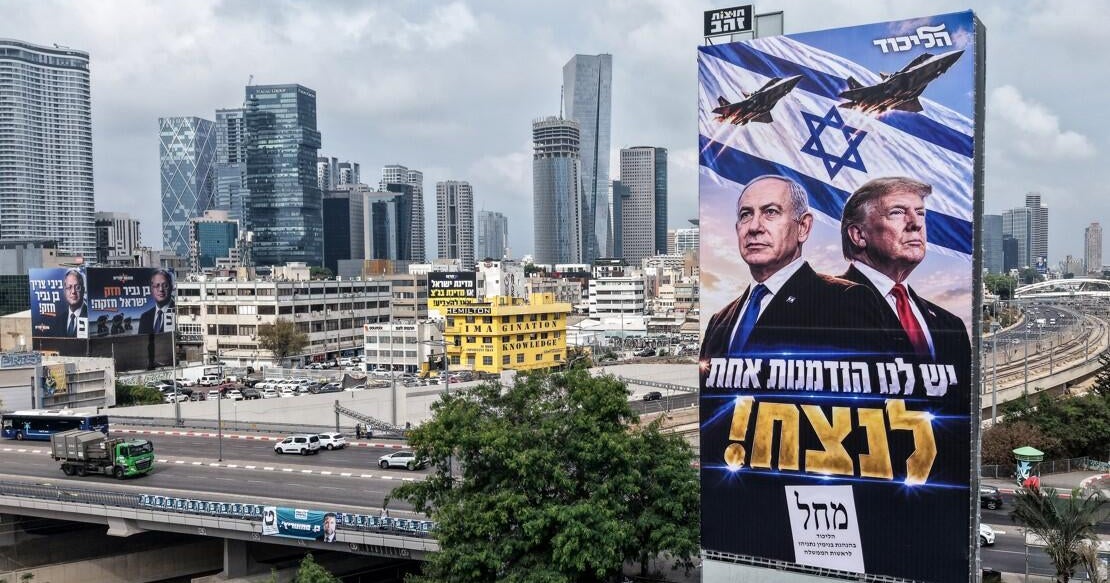
The opposition’s clearest contrast is diplomatic and institutional. Eisenkot’s camp says it would restore bipartisan support in Washington, curb settler violence and repair Israel’s international standing. Its foreign-policy advisers describe the deterioration in U.S.-Israel ties as “a very serious danger” and say bipartisan support must return as a guiding principle. Netanyahu, meanwhile, has benefited from Donald Trump’s explicit endorsement and presents continuity as protection against regional threats.
The differences remain limited. Both major camps are hawkish on Iran and Hamas, and neither is campaigning on an imminent peace process or Palestinian statehood. A new government might be more conciliatory on Gaza, tougher on settler violence and less polarizing abroad, but it would still face a public deeply shaped by war and wary of strategic concessions. The election may decide who governs Israel; it is less likely to decide what Israel believes security requires.
Write a comment