Dollar General Faces a Consumer Trust Test Over Alleged Checkout Overcharges
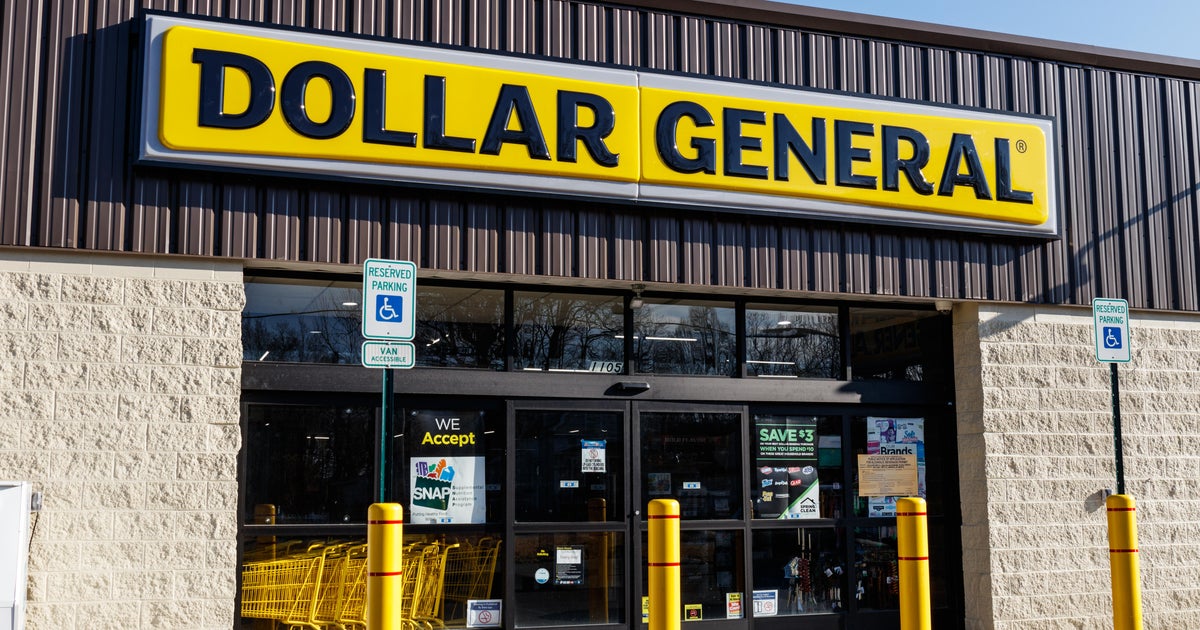
Dollar General Faces a Consumer Trust Test Over Alleged Checkout Overcharges
The lawsuit against Dollar General puts the discount retailer’s promise of low prices at odds with allegations that some of America’s most price-sensitive shoppers were charged more at the register than they saw on the shelf.
The Federal Trade Commission and 20 states accuse the chain, which operates more than 20,000 stores, of allowing inaccurate pricing to persist for years. The complaint says Dollar General extracted “millions of dollars in unlawful overcharges” and received “tens of thousands” of consumer complaints without adequately addressing the problem.
The regulators’ case rests on a sharp distinction between written policy and store-level practice. Dollar General directs employees to update labels and align shelf prices with registers, but workers cited understaffing and operational pressure as reasons outdated tags often remained in place. A related investigation found that stores failed thousands of government price-accuracy inspections, while the lawsuit said the company’s policies “achieve little in practice” because they did not verify that labels were actually replaced.
The FTC frames the alleged conduct as especially damaging because low- and fixed-income customers depend on advertised prices to manage tight household budgets. Christopher Mufarrige, the agency’s consumer-protection chief, said Dollar General had “betrayed the trust of millions of American consumers.”
Dollar General presents a narrower interpretation. It says its goal is “100% accuracy between shelf and register prices,” while acknowledging that occasional discrepancies can occur. The company says employees are expected to correct mistakes and that it has improved its price-accuracy systems. It also argues that the FTC’s proposed monetary demand was vastly disproportionate and says it will defend the case vigorously.
The disagreement is therefore not over whether pricing errors happen, but whether repeated errors reflect ordinary retail imperfection—or a systemic failure that shifts costs onto vulnerable customers.
Write a comment