Jay-Z’s Super Bowl Return Turns a Production Power Play Into a High-Stakes Comeback
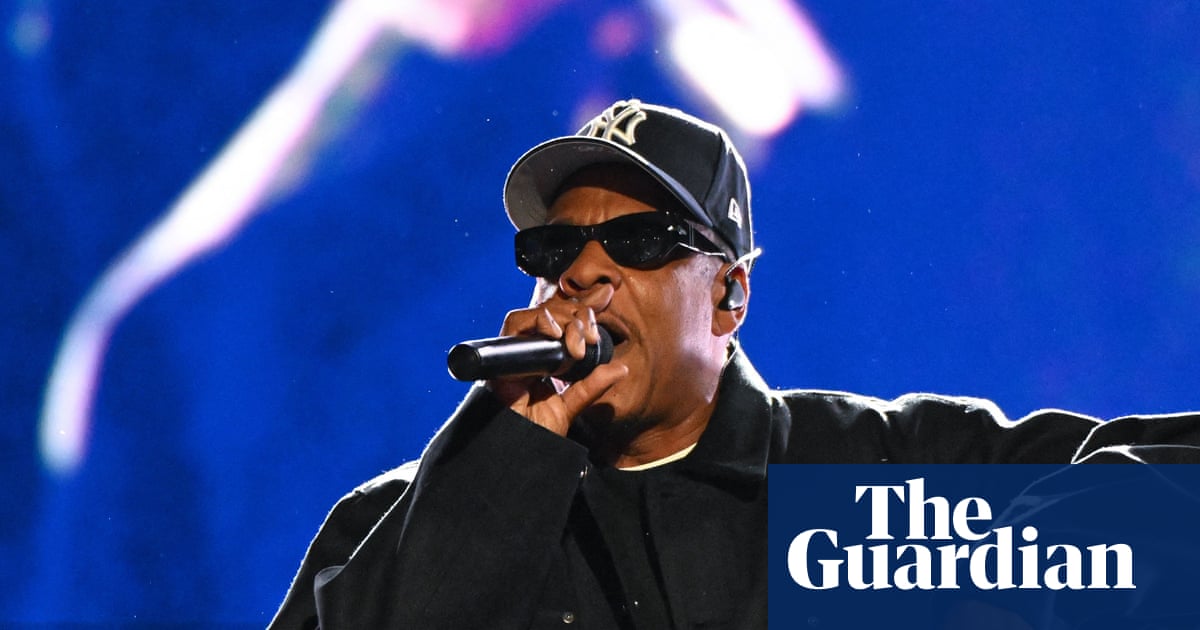
Jay-Z’s Super Bowl Return Turns a Production Power Play Into a High-Stakes Comeback
Jay-Z is moving from the Super Bowl’s backstage architect to its main stage, transforming a long-running partnership with the NFL into one of the music industry’s most scrutinized comeback performances.
The NFL, Apple Music and Roc Nation announced that Jay-Z will headline the halftime show at Super Bowl LXI on Feb. 14, 2027, at SoFi Stadium in Inglewood, California. The announcement follows his recent “Jay-Z 30” concert run, which began in New York, continued in London and concluded at the same stadium where he will perform. Roc Nation has advised on and helped produce the league’s entertainment programming since 2019.
The decision carries an obvious institutional logic. Jay-Z has helped shape the show’s recent direction while Roc Nation’s involvement brought artists including Shakira, Jennifer Lopez, Kendrick Lamar and Rihanna into the NFL’s premier cultural broadcast. NFL Commissioner Roger Goodell said he had wanted Jay-Z to perform since the partnership began, calling the booking a chance for audiences to experience his “artistry, creativity and cultural impact.”
It is also a reversal. When the NFL partnership was announced, Jay-Z reportedly told Goodell, “If this is about me performing at the Super Bowl, then we can just end this conversation now.” Seven years later, the rapper is presenting the appearance as the culmination of a career spanning music, business and culture.
The two accounts differ mainly in emphasis. One highlights the symbolic payoff of Jay-Z’s relationship with the league and his status as a Grammy-winning, Hall of Fame artist. The other foregrounds the risk: some observers questioned the choice because his last solo album, 4:44, arrived in 2017 and his most recent collaborative album followed in 2018.
That gap makes the halftime show more than a victory lap. Like Bad Bunny’s performance last season, it will be judged not only as spectacle but by whether it drives renewed attention to an established catalog. Jay-Z’s challenge is to prove that influence accumulated over three decades can still translate into immediate mass momentum.
Write a comment