Patriot Deal Wins U.S. Approval but May Leave Ukraine Waiting for Years
Patriot Deal Wins U.S. Approval but May Leave Ukraine Waiting for Years
Washington has approved a possible $2.1 billion sale of 500 Patriot interceptors to Ukraine, offering Kyiv a major boost in air-defense capacity while exposing a sharp gap between long-term commitments and immediate battlefield needs.
The package includes PAC-3 MSE missiles, spare parts, logistics and program support. U.S. officials cast the deal as a strategic investment in European stability, with the full cost to be covered by Ukraine and partner countries including Canada, Germany and Norway through the JUMPSTART program and EU-backed Ukrainian funds.
That framing emphasizes burden-sharing and alliance policy rather than direct new U.S. spending. It also presents the sale as a response to Ukraine’s longstanding request for more Patriot interceptors. Conservative-leaning coverage highlighted Kyiv’s pressure campaign, including President Volodymyr Zelenskyy’s accusation that “some political decision has been made to slow down support for us.”
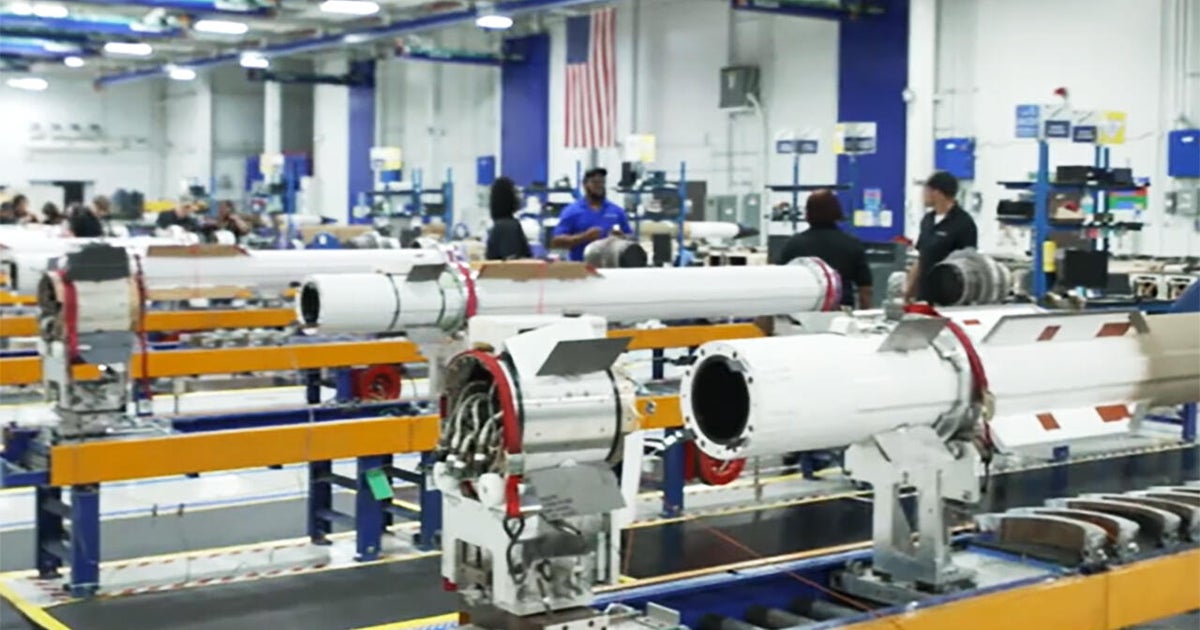
Ukraine’s reaction was more conflicted. Zelenskyy welcomed what he called a “strong decision by the US state department,” but warned that deliveries “may begin ONLY IN A FEW YEARS.” That timeline is central to the dispute: the United States has approved the sale, but the missiles still have to be manufactured, and reports indicate deliveries may not begin until the early 2030s.
The two perspectives agree that Patriot systems are crucial to Ukraine’s defense against Russian ballistic missiles. They diverge over what counts as meaningful assistance. Washington and its backers point to a fully financed, multibillion-dollar commitment; Kyiv argues that approval without near-term transfers does little to protect energy infrastructure and civilians facing attacks now. Zelenskyy has urged allies to provide missiles from existing stockpiles and replenish them later—a proposal he says is feasible, but one that would require governments to accept greater short-term risk to their own inventories.
- US Approves Possible $2.1 Billion Sale of 500 Patriot Missiles to Ukraine — “The estimated value stands at $2.1 billion and will be paid entirely by partners and allies.” (https://www.theepochtimes.com/world/us-approves-possible-2-1-billion-sale-of-500-patriot-missiles-to-ukraine-6111495)
- US greenlights sale of 500 Patriot missiles to Ukraine — Zelenskyy accused Washington of slowing support for Ukraine. (https://www.washingtonexaminer.com/policy/defense/4787040/us-greenlight-sale-500-patriot-missile-ukraine/)
- Ukraine’s Zelenskyy praises US over $2.1bn Patriot missile deal but warns it could take years — Zelenskyy said deliveries may begin “ONLY IN A FEW YEARS.” (https://www.theguardian.com/world/2026/oct/31/ukraines-zelenskyy-praises-us-over-21bn-patriot-missile-deal-but-warns-it-could-take-years)
Write a comment