Poland’s court showdown turns a rule-of-law fight into a street confrontation
Poland’s court showdown turns a rule-of-law fight into a street confrontation
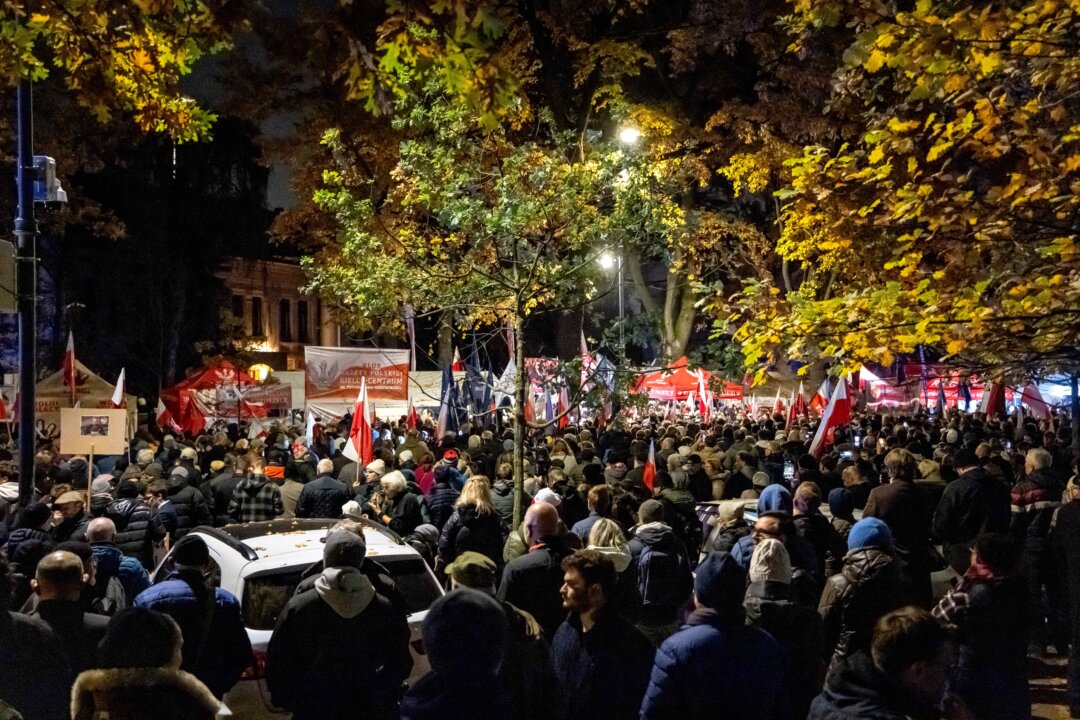
Poland’s constitutional dispute has spilled from legal arguments into the streets, with riot police guarding the country’s top court and the president abandoning an overseas trip to intervene. The confrontation reflects a deeper question: is the government repairing a politicised judiciary or capturing it for its own side?
Conservative-leaning coverage has framed the immediate crisis around the suspension of Tribunal president Bogdan Święczkowski and President Karol Nawrocki’s return to Warsaw. It reported that protests erupted outside the court, police detained at least four people and officers blocked demonstrators from entering the building. Nawrocki’s decision to turn back while travelling to Senegal underscored the opposition’s view that the suspension was an emergency threatening the court’s independence.
Liberal coverage, while also documenting the confrontation, places it in the context of a decade-long institutional battle. The Tribunal was repeatedly accused of serving the former Law and Justice government, while Prime Minister Donald Tusk has sought since 2023 to reverse changes that damaged relations with the European Union. The latest move was led by judges elected by the current parliamentary majority, who suspended Święczkowski and his deputy amid disputes over the legitimacy of the bench.
That explanation, however, does not settle the legal question. Even Marcin Matczak, a prominent critic of PiS, said the suspension’s legal basis was “non-existent,” while the Helsinki Foundation for Human Rights called it “questionable.” The government insists extraordinary action is needed because the Tribunal has been paralysed. Tusk said “in certain matters, there can be no compromise” and argued that the PiS-era court “was not a genuine court.”
Nawrocki and opposition leaders instead denounced a judicial “coup d’état,” with the president accusing the government of violating the constitutional order. The competing narratives share one fact: Poland’s judiciary has become inseparable from partisan power. But each side presents its own intervention as the defence of democracy—and the other’s as its destruction.
Write a comment