Hackers Tried to Warm French Blood Bank Refrigerators—but Failed
Hackers Tried to Warm French Blood Bank Refrigerators—but Failed
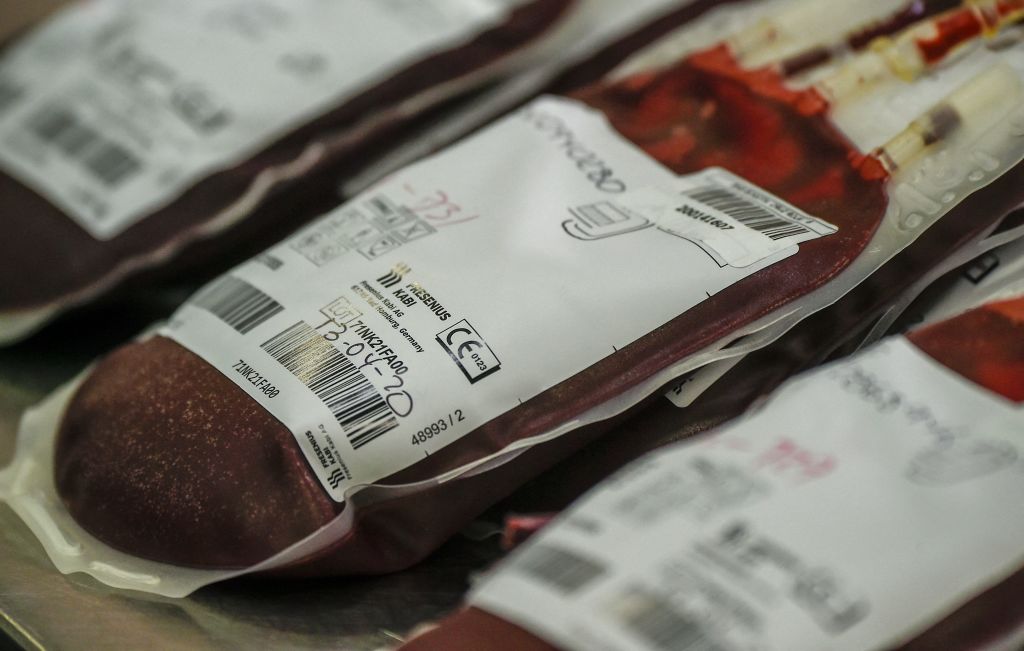
A cyberattack aimed at refrigeration systems holding blood supplies in France exposed a potentially serious vulnerability—but ended without contaminated or lost products.
The attack, detected on Nov. 2, targeted an equipment supplier serving France’s public blood service, the French Blood Establishment (EFS). According to the account, hackers forced temperatures upward in cold-storage rooms at three sites, creating a direct threat to the safety of blood samples and products. The incident followed reports that supermarket refrigeration systems elsewhere in Europe had also been targeted, suggesting a broader pattern of attacks against cooling infrastructure.
The key difference in this case was the response. Rather than allowing the temperature changes to go unnoticed, EFS monitoring and alarm systems detected the anomalies quickly. The service said the alerts enabled it to take “the necessary measures to ensure that no blood samples or products were compromised.”
That outcome supports the French service’s interpretation: the episode was a contained intrusion, not a failure of the blood-supply system. But the method of attack remains troubling. Refrigeration equipment is often treated as ordinary industrial infrastructure, yet in hospitals, blood banks and food distribution networks, manipulating temperature controls can have immediate public-health consequences.
The available account does not identify the attackers or explain how they accessed the supplier’s systems. It does, however, underline the contrasting realities of the incident: the attackers reached equipment capable of causing harm, while EFS’s safeguards prevented that capability from becoming a medical emergency. The absence of compromised products is reassuring, but the successful attempt to alter temperatures shows why third-party suppliers and connected cooling systems remain a growing cybersecurity risk.
Write a comment