Arrest Near the White House Fuels a Broader Fight Over Threats and Border Security
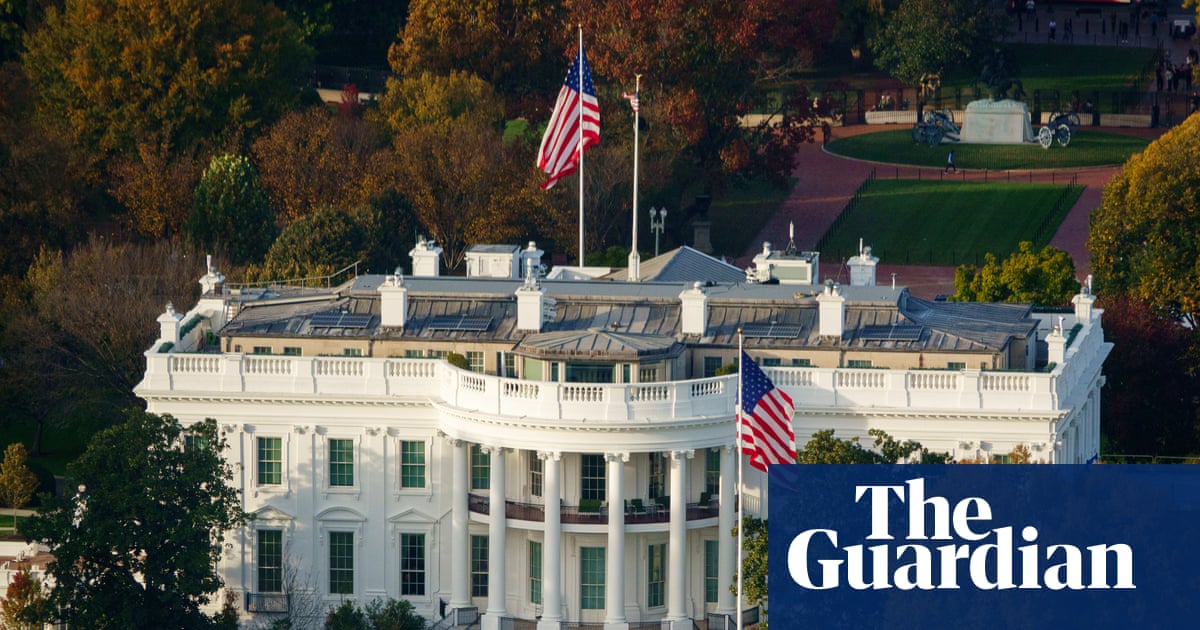
Arrest Near the White House Fuels a Broader Fight Over Threats and Border Security
The arrest of an armed man near the White House has become more than a security incident: it is also a political test of whether the episode should be understood primarily as a thwarted threat or as evidence of an immigration-policy failure.
Secret Service officers detained Ronny Yordrix Guanipa Chrinos after finding him in a reportedly stolen vehicle on Constitution Avenue. Authorities said he claimed voices had directed him to travel to Washington and kill President Donald Trump. Officers recovered an AR-15-style rifle, two handguns and ammunition, according to the account carried by The Guardian.
The restrained account focuses on the sequence of events, the arrest and the pending charges. It also notes that the White House offered no independent comment, referring questions to the Department of Homeland Security and the Secret Service. That framing leaves the alleged motive and the suspect’s mental state as claims under investigation rather than settled conclusions.
Conservative coverage places the incident inside a larger argument about border enforcement. One report highlighted that Chrinos allegedly entered the country through Texas in March 2024 and was later released, while emphasizing that an ICE detainer was lodged after his arrest. It also quoted Secret Service Director Sean Curran describing an “increase in threat cases” involving armed people drawn to the White House complex.
A more overtly partisan account went further, calling Chrinos an “illegal alien” and attributing his presence in the United States to the Biden administration’s “open border invitation.” It presented the arrest as proof of both the danger posed by unlawful immigration and the effectiveness of federal officers.
The common ground is substantial: the suspect was arrested without reported injuries, weapons were recovered, and prosecutors filed multiple firearms and vehicle-related charges. The divide lies in emphasis. One perspective centers de-escalation and public safety; the others use the same facts to indict immigration policy and demand credit for the Trump administration’s enforcement posture. A fourth report broadened the context by placing the case alongside other recent security breaches near the capital.
Write a comment