Houston Draws a Line Between Public Safety and ICE Cooperation
Houston Draws a Line Between Public Safety and ICE Cooperation
Houston is narrowing the doorway between local policing and federal immigration enforcement, turning routine encounters into a new test of where public safety ends and deportation policy begins.
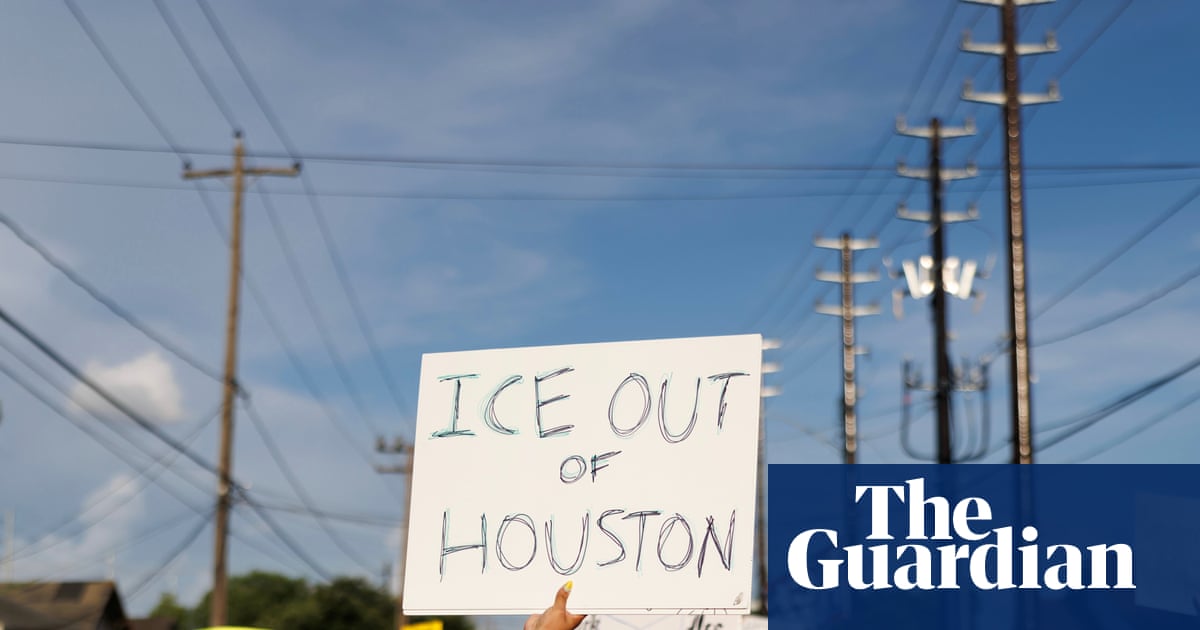
Mayor John Whitmire’s directive says Houston police should generally contact Immigration and Customs Enforcement only when someone is arrested on a jailable offense or when ICE presents an administrative warrant. Immigration status alone, the order says, cannot justify prolonging detention or holding someone in custody. The practical effect is to block ICE referrals for nonviolent, non-jailable violations such as ordinary traffic incidents.
The liberal case presents the policy as both a civil-rights measure and a response to community fear. Whitmire described the city’s approach as targeting immigrants “that pose a danger, not those that are going about their family business, work and education.” Supporters point to recent confrontations involving ICE in Houston, including the fatal shooting of Lorenzo Salgado Araujo during a traffic stop and the indictment of an ICE officer accused of ramming another man with a vehicle. Immigrant-rights organization Fiel Houston said, “Today Houston won,” while arguing that the city should now follow through on an earlier council decision.
The conservative framing is markedly different. It emphasizes timing and political realignment rather than enforcement safeguards, describing the decision as coming “just days after Democrats seized all Texas statewide offices and both chambers of Congress.” That account also casts Whitmire as a centrist who had previously yielded to Republican threats to cut Houston’s funding if it failed to cooperate with ICE.
Both perspectives agree the order represents a significant change in Houston’s relationship with federal immigration authorities. They diverge over what it means: supporters see a measured boundary protecting residents and police legitimacy, while critics see a partisan retreat from cooperation at a moment of Democratic ascendancy.
Write a comment