Eisenkot Gets the First Shot at Power as Netanyahu’s Coalition Cracks
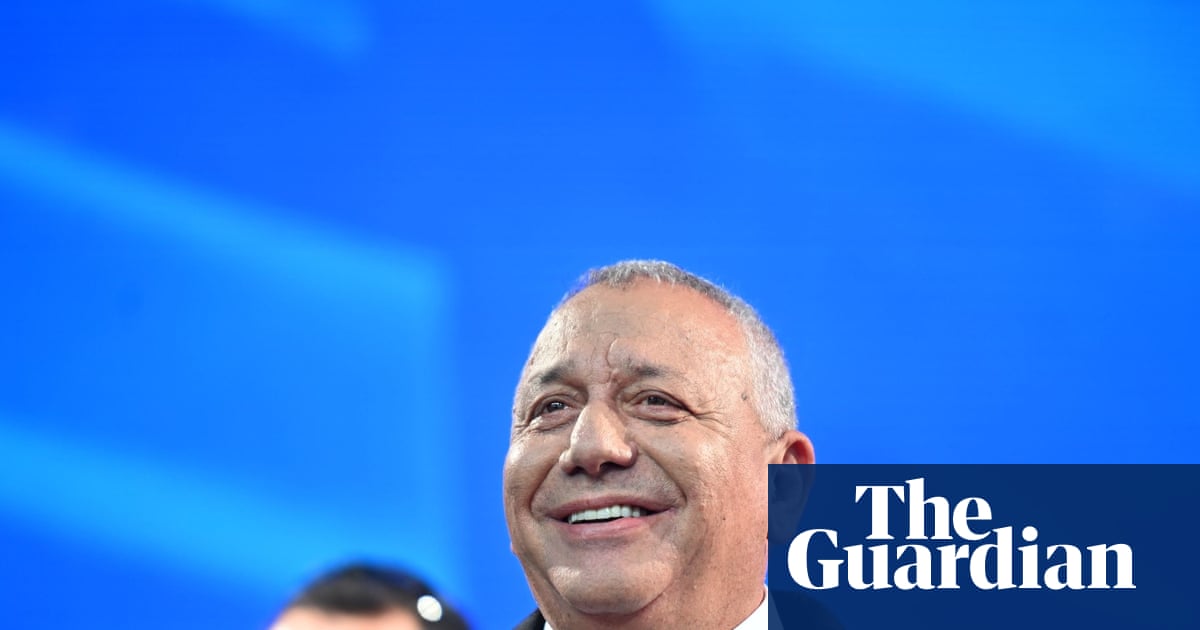
Eisenkot Gets the First Shot at Power as Netanyahu’s Coalition Cracks
Israel’s political deadlock has handed opposition leader Gadi Eisenkot the first opportunity to form a government, putting Benjamin Netanyahu on the defensive despite his bloc remaining the largest in parliament.
President Isaac Herzog’s decision follows an election in which neither side won a majority. Eisenkot’s Yashar-led opposition bloc secured 48 of the Knesset’s 120 seats, while Netanyahu’s camp won 53, leaving Arab-led parties with the leverage to determine whether a coalition can be assembled.
Eisenkot has framed the assignment as a chance to replace Netanyahu’s divisive tenure with a broader coalition. “Now is the time to form a national emergency government. I will do everything to ensure we are worthy,” he said after Herzog’s announcement. His political message combines calls for greater national unity with a hard security line: he opposes Palestinian statehood and has pledged to defeat Hamas, while also promising action against extremist West Bank settlers and condemning attacks on Palestinians as “Jewish terror.”
The central obstacle is arithmetic—and ideology. Eisenkot could seek a formal partnership with Arab-led parties, which made historic gains, or rely on their external support for a minority government. Either option risks alienating members of his own bloc; an Arab party has joined an Israeli governing coalition only once.
Netanyahu, meanwhile, is trying to turn that vulnerability into a political weapon. He has called for a national unity government while warning against “hastily swearing in a government with terrorist supporters,” a description aimed at Arab-led parties. The two leaders might still pursue a broad Jewish unity coalition, but their differences over ultra-Orthodox draft exemptions and an investigation into the failures surrounding the Oct. 7 attacks make that route equally difficult.
Eisenkot therefore has the mandate’s first chance, not a clear path to power. The appointment weakens Netanyahu’s position—but may force Eisenkot to choose between an unstable alliance and politically costly compromises.
Write a comment