New Zealand’s Right May Hold Power—Unless Special Votes Blow Open the Race
New Zealand’s Right May Hold Power—Unless Special Votes Blow Open the Race
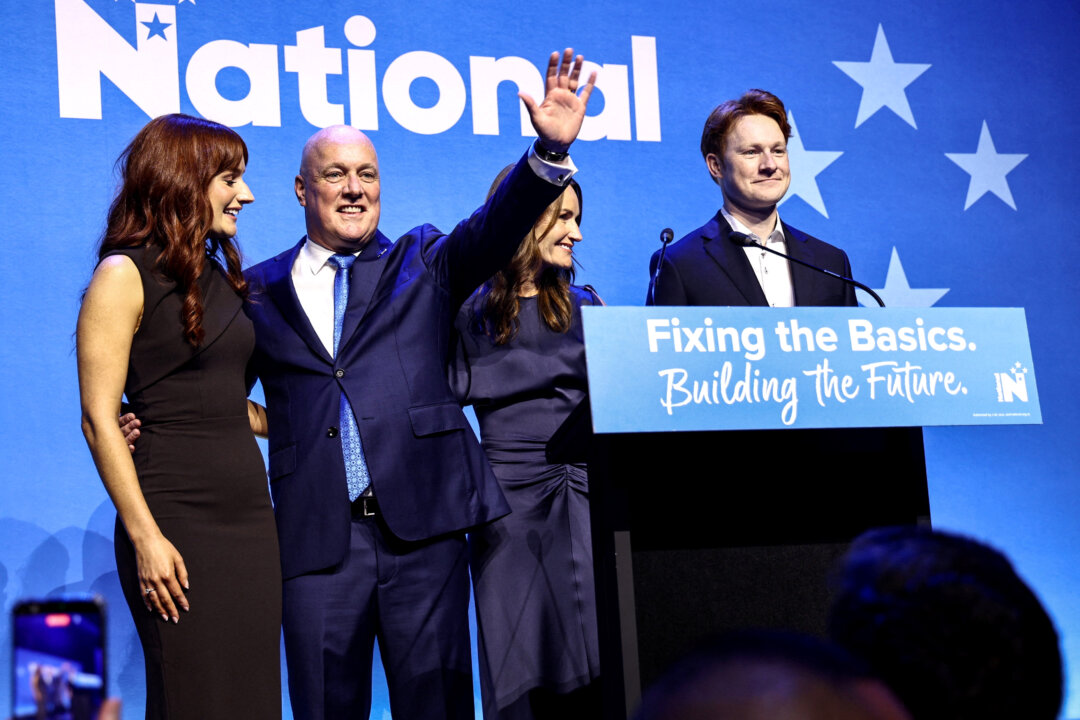
New Zealand’s election has produced the kind of result that looks decisive on a seat map but remains politically unsettled. The centre-right National Party leads the path to government, yet a small shift in the final count could reopen coalition negotiations and alter the balance of power.
The preliminary arithmetic favours National, ACT and New Zealand First. Together, the three parties appear to have a majority, though the margin is exceptionally thin. One conservative account described the bloc as taking a “slim lead” while stressing that the contest remained too close to call. Another reported that National’s coalition would hold a majority of only two seats, with National and Labour separated by just a few thousand votes in the popular tally.
That apparent advantage is complicated by almost 400,000 special votes cast by overseas voters and people voting outside their electorates. These ballots have historically leaned left: in 2023, they helped Te Pāti Māori gain two seats and the Greens one, while National lost two. The final count is therefore capable of shifting a result that currently rests on only a seat or two.
The election also signals a broader rejection of the major parties. Labour and National together secured their lowest combined share of the vote, while ACT, the Greens, New Zealand First and Te Pāti Māori all strengthened their positions. The result, one liberal analysis argued, reflected voters’ demand for “transformational change” rather than incremental management.
National’s overhang—winning more electorate seats than its party vote warrants—has expanded Parliament and lowered the certainty of the headline numbers. If the final count holds, Christopher Luxon can govern, but with little room for dissent. If it does not, Opportunity could become the pivotal force, despite Luxon previously ruling out talks with the party. The election’s central irony is clear: the right may have won the first count, but it has not yet secured power.
Write a comment