The Supreme Court cleared the way for the Big Bend wall—but not the fight over its cost
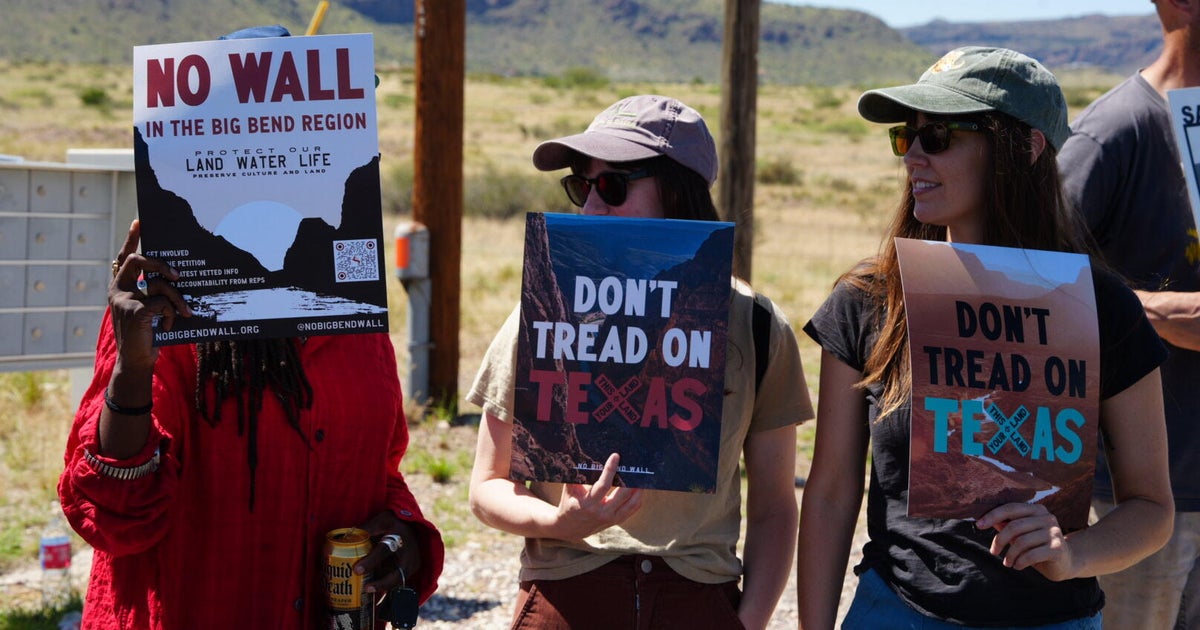
The Supreme Court cleared the way for the Big Bend wall—but not the fight over its cost
The Supreme Court has allowed the Trump administration to resume construction of border barriers and related roads in Texas’s Big Bend region, putting immediate momentum behind the project while leaving its legality unresolved.
The ruling is a clear victory for the administration, which argues that stopping construction would undermine border security and create operational risks. Conservative coverage cast the decision as a major emergency-docket win after a lower court blocked Department of Homeland Security waivers that bypassed environmental requirements. The government says the Big Bend sector must be secured against drug trafficking, cartel activity and illegal crossings, and warns that delays would raise costs and leave a strategic gap along the southern border.
The challengers see the same construction through a sharply different lens. Environmental groups, a river guide and a church preservation organization argue that roads, barriers and blasting could permanently damage Big Bend National Park, state parkland and nearly 200 miles of protected Rio Grande corridor. Their central argument is that destruction cannot be repaired after the courts eventually decide the case: “no final judgment can restore the status quo.”
The Supreme Court’s unsigned decision gave priority to Congress’s authorization for the Homeland Security secretary to waive environmental and conservation laws, saying the government’s interest in rapid construction outweighed the harms alleged by opponents. Justice Ketanji Brown Jackson dissented.
Critics contend the ruling effectively permits irreversible damage before the legal questions are settled. The Center for Biological Diversity said it clears the way to “bulldoze pristine desert and dynamite canyon walls.” The dispute is therefore not simply over a wall: it is a test of whether border-security powers can override environmental safeguards in a region where apprehensions remain among the lowest on the southern border.
Write a comment