A Teen’s Bushland Survival Became Both a Rescue Story and a Warning
A Teen’s Bushland Survival Became Both a Rescue Story and a Warning
A teenager’s survival in the Australian bush has been framed as an extraordinary rescue, a mother’s nightmare ending in relief, and a stark account of how quickly a brief detour can turn dangerous. William, 17, was found near Walhalla after almost six days alone, prompting very different kinds of attention: the emotional reunion, the scale of the search and the ordeal he endured.
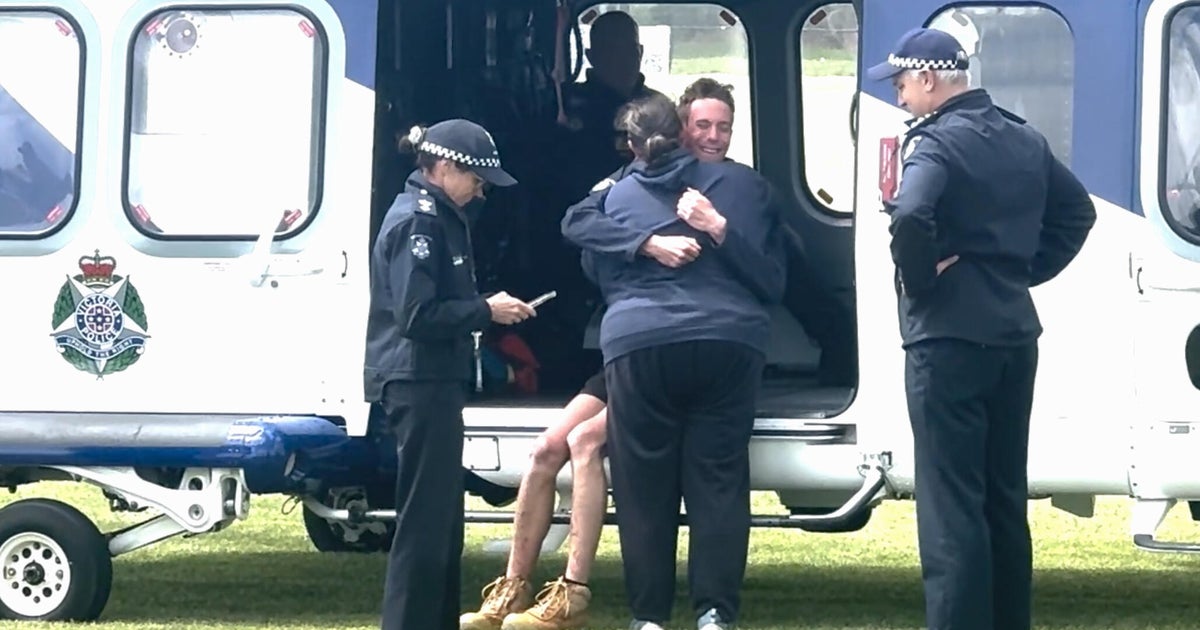
For his mother, Elizabeth, the story narrowed to one outcome: her son was alive. After the helicopter brought him to safety, she said she was “over the moon” and joked that “he’s never leaving the house again.” That relief sits alongside the practical uncertainty of how William became lost: he had walked from the campsite to retrieve more equipment and did not return.
The rescue account emphasizes the operation’s difficulty. More than 100 emergency workers and volunteers searched dense terrain, where visibility from the air was limited. William, who has autism, was found beside a creek after spending days moving through steep country; police said he was in generally good health and was taken to hospital for monitoring. That account presents survival as remarkable, but also underscores how vulnerable a missing person can be in rugged bushland.
William’s own description shifts the focus from the rescue to the long hours before it. He said he rationed a packet of chips, drank creek water and sang “Take Me Home, Country Roads” for comfort. “The nights were pretty cold,” he recalled, adding, “I honestly didn’t think I’d make it six days.” His account makes the ordeal more than a feel-good ending: the helicopter found him in an open area, and the pilot said crews could have flown past if he had been hidden by thicker forest.
Together, the accounts balance celebration with caution. William made it home, but his survival depended on a difficult search, a visible place to shelter and, as he described it, persistence through cold nights and uncertainty.
Write a comment