The Senate blocked an Iran war resolution as Republicans held the line
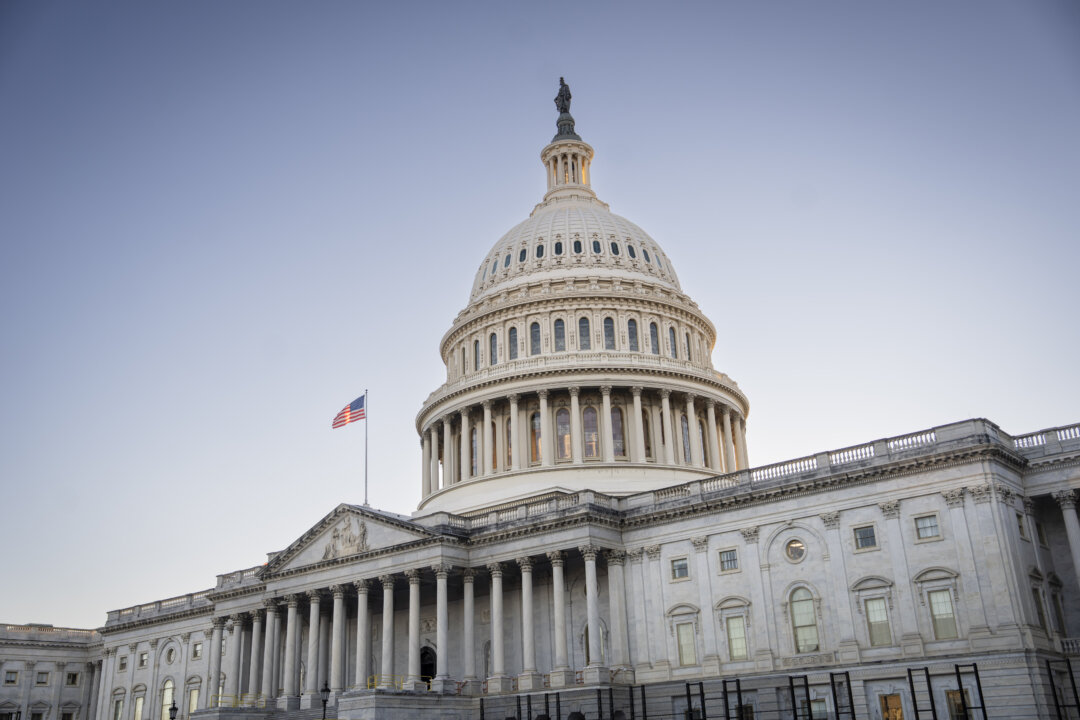
The Senate blocked an Iran war resolution as Republicans held the line
The Senate has again rejected an effort to force President Donald Trump to end U.S. military action against Iran, leaving the conflict’s opponents with a narrow legislative defeat and Republicans largely united behind the administration.
The conservative report frames the result against the backdrop of the GOP’s election losses, emphasizing that the vote brought “no new GOP support” for ending the war. The liberal report, by contrast, focuses on the party-line split and the continued effort to use the 1973 War Powers Act to stop the fighting.
The resolution failed 48-51. Three Republicans—Susan Collins, Rand Paul and Lisa Murkowski—voted for it; Democrat John Fetterman was the sole member of his party to oppose it. That tally underscores both the limits of Democratic pressure and the small but consequential group of Republicans willing to break with Trump on the conflict.
The liberal account argues the vote carries political stakes beyond the chamber: it says the war featured prominently in Republican losses in the midterms and has proved unpopular in polls, while driving up gasoline and diesel prices. It also notes that the House had approved the measure in September. A similar resolution passed both chambers in June, but Trump ignored it, a precedent that raises questions about how much force another congressional vote would have even if it succeeded.
The two accounts therefore emphasize different dimensions of the same setback: one highlights the absence of a shift in Republican support, while the other presents the vote as part of a wider struggle over congressional authority and the political costs of the war. Neither changes the immediate result: the Senate did not direct Trump to halt military action.
Write a comment