The three-power peace pact promises much but delivers few details.
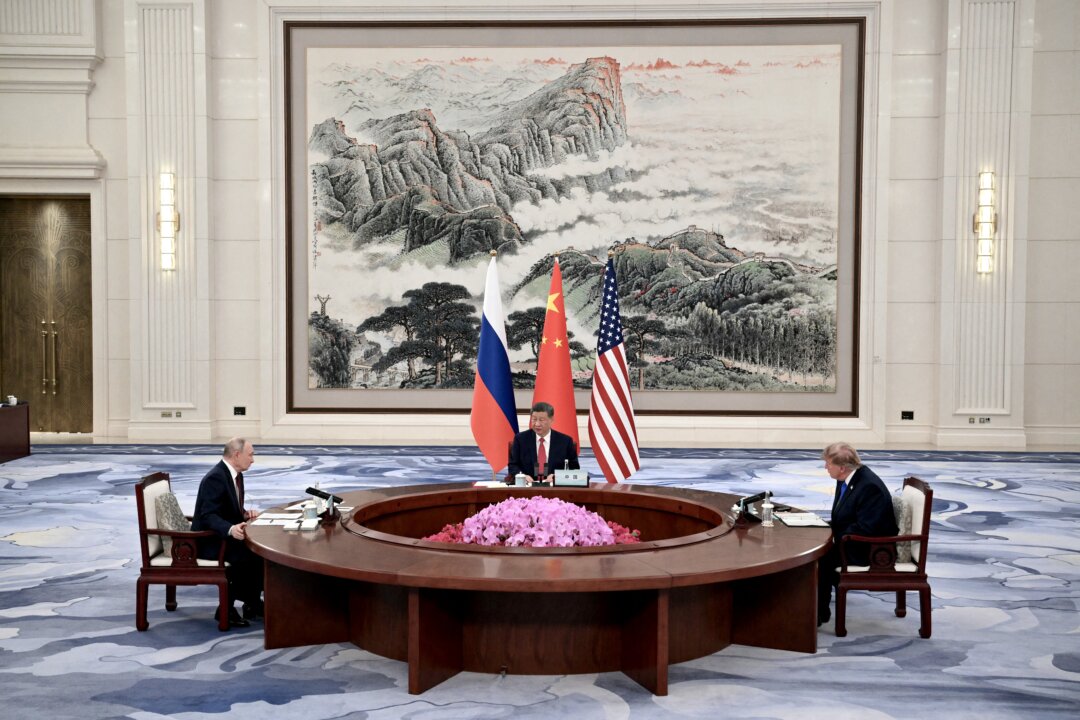
The three-power peace pact promises much but delivers few details.
The leaders of the United States, China and Russia wrapped a historic meeting in the language of peace, but their joint declaration offered little evidence of how that ambition would translate into action. Its promises of nuclear-risk talks and institutional reform sat alongside silence on the wars most likely to test their cooperation.
Coverage critical of the summit emphasized that gap. The declaration was “brief and broad,” with few details about what the presidents agreed, and did not mention Russia’s war in Ukraine or the U.S. conflict in Iran. Another account noted no apparent progress toward ending the war in Ukraine, while the statement’s warning against International Criminal Court overreach could be read as a challenge to the legal basis for the arrest warrant against Vladimir Putin.
More sympathetic coverage presented the meeting as a significant diplomatic opening: the three nuclear powers pledged dialogue on nuclear risks, nuclear nonproliferation, energy supplies and United Nations reform. Yet even that account acknowledged the declaration had “no concrete enforcement timeline.” The divide, then, is less about what was announced than what it means: supporters see leaders choosing engagement over confrontation, while critics see symbolism that sidesteps urgent conflicts and shields the leaders from scrutiny.
Both readings find limits in the same record. The summit produced a shared statement and a promise to keep talking, not a new arms-control agreement or a plan to end either war. Trump’s public emphasis on personal ties with Xi and Putin may help sustain dialogue; it also leaves unanswered whether those relationships can deliver results beyond ceremony.
Write a comment