Myanmar’s genocide ruling tests the world’s commitment to international law
Myanmar’s genocide ruling tests the world’s commitment to international law
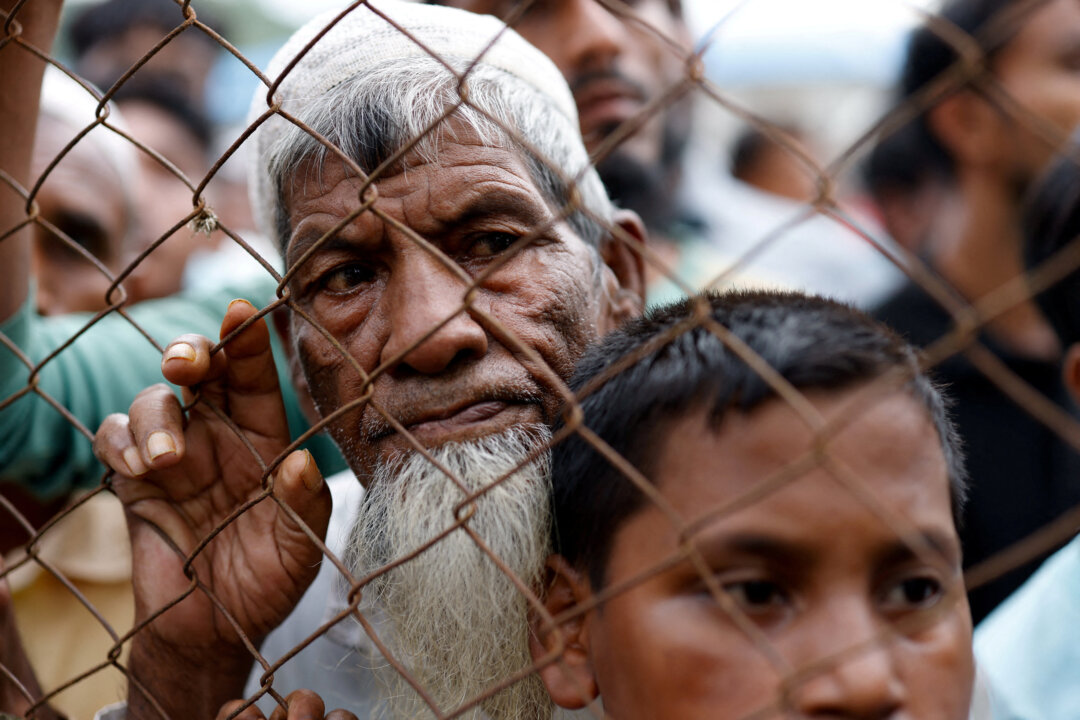
The International Court of Justice has made an unprecedented finding against Myanmar: its forces committed genocide against the Rohingya. The ruling is a landmark in international law, but the responses from Washington and Brussels reveal different levels of confidence in the court’s authority and the pressure its judgment can exert.
The court’s decision marks the first time the ICJ has held a state responsible for genocide. The conservative account underscores the scale of the finding, reporting that the court identified killings, sexual violence and attacks on children. Presiding Judge Yuji Iwasawa said Myanmar’s security forces “killed thousands of Rohingya civilians” and committed widespread violence.
The liberal account focuses less on the legal threshold itself than on what follows. It says the United States is examining the judgment and cautioned against “politicisation” of the court, while also voicing grave concern over continuing abuses and pointing to its role as the largest single humanitarian donor to the Rohingya response. The European Union took a more forceful position, calling the decision a landmark and saying compliance with ICJ rulings is an obligation, not a choice.
That contrast matters beyond Myanmar. The ruling could shape future genocide cases, including South Africa’s case against Israel, which Washington has opposed and Israel denies. Yet the court’s finding does not itself resolve how Myanmar will be held to account. The EU’s demand for immediate compliance signals confidence in international law; the US response is more guarded, even as it recognizes the gravity of the abuses. Both positions acknowledge the Rohingya’s suffering, but they differ on how emphatically to frame the court’s role—and what its judgment should mean in practice.
Write a comment