AI's market promise meets a painful reality check.
AI’s market promise meets a painful reality check.
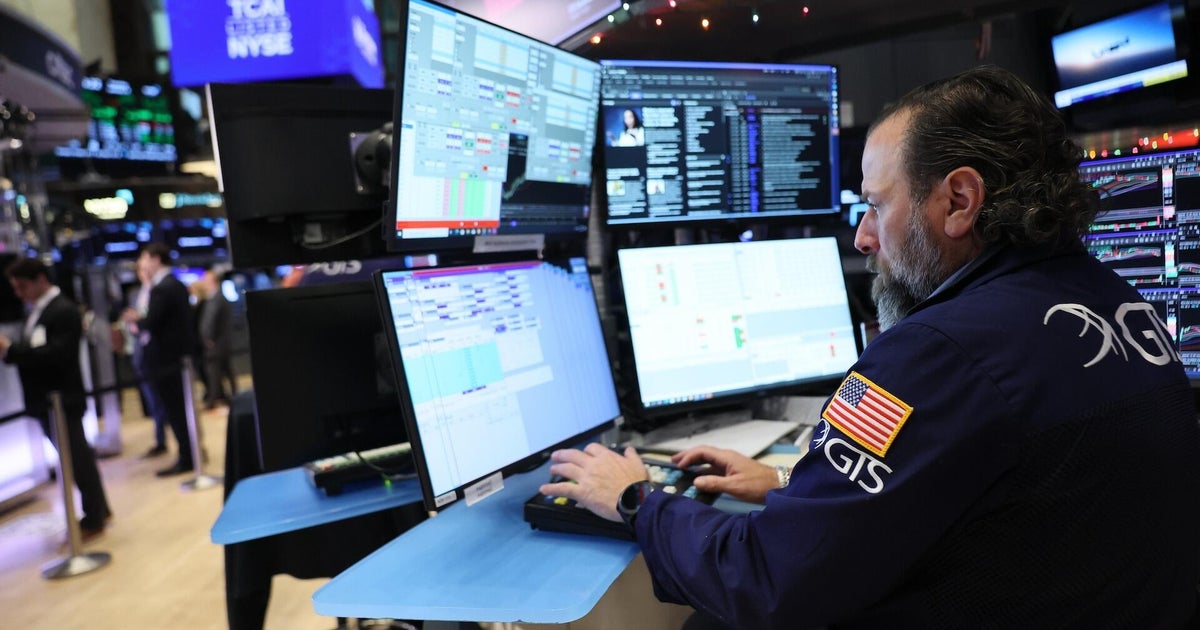
Wall Street’s sharp retreat has exposed a fault line in the AI boom: investors are questioning whether the spending and valuations that powered the rally can keep delivering, even as some analysts argue the broader market remains resilient.
The Nasdaq erased its 2026 gains as the S&P 500 and Dow entered correction territory. One account framed the slide as a reassessment of AI’s market-making power, quoting strategist Michael Antonelli: “The whole notion that AI can continue to spend unlimited amounts of money and support the stock market, I think the notion of that is ending as we speak.” Yet the same report cautioned against treating a correction as proof that the bull market is over, noting that most past corrections did not become bear markets.
CNBC’s Investing Club offered a more company-specific reading. Nvidia’s losses and uncertainty around its leadership and business outlook were weighing on the wider AI trade, while Alphabet stood out as a relative bright spot. JPMorgan analysts argued Google was “expanding its consumer relationships in the agent era, rather than ceding ground.” That optimism came with a caveat: the long-term impact of AI on Google Search remains unsettled.
A sharply different interpretation came from The Gateway Pundit, which tied the market’s losses to Democrats’ midterm gains and highlighted Donald Trump’s response. Trump wrote that “it wasn’t Republicans, it was Dumocrats.” That partisan framing contrasts with the market-focused explanations in the other reports, which point to AI valuations, chip-sector pressures and uncertainty around major companies. Taken together, the accounts show how a broad sell-off can invite both sober questions about a crowded trade and political claims that go beyond the evidence presented.
Write a comment