Denmark’s Russia accusation tests how far Europe will go
Denmark’s Russia accusation tests how far Europe will go
Denmark says it stopped a suspected assassination plot against U.S.-Ukrainian rapper Kyivstoner before a planned performance. The accusation has prompted a diplomatic response and EU solidarity, but Moscow says Copenhagen has offered no proof of Russian involvement.
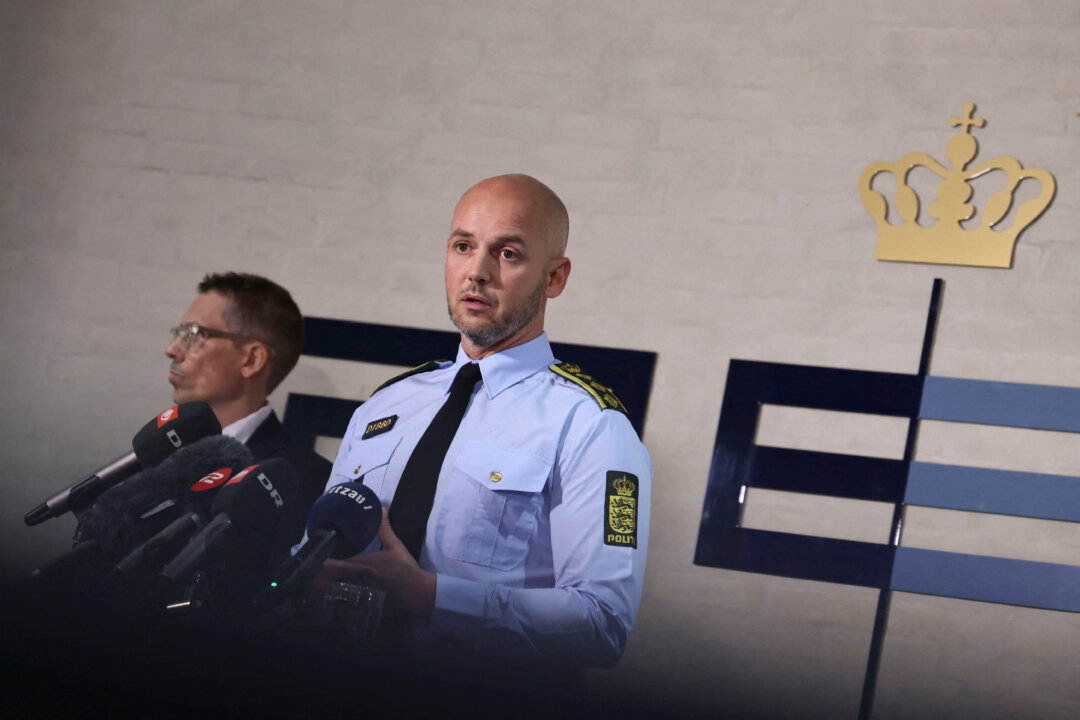
Danish police and security officials said they arrested three men linked to the country’s criminal underworld in a car ahead of the rapper’s concert north of Copenhagen in late September. The liberal account says authorities found firearms and knives, and that two people were formally investigated over attempted murder and assisting a foreign intelligence service. Danish officials suspect the Loyal to Familia gang was involved in planning the attack.
Copenhagen framed the alleged plot as evidence of a widening security threat. Prime Minister Mette Frederiksen called it “a clear illustration of the serious security situation” facing Denmark and Europe, while intelligence official Kieffer-Kristensen said a Russian assassination attempt was unprecedented in Denmark. Denmark also announced it would expel Russia’s defense attaché. Foreign Minister Lars Lokke Rasmussen said the country wanted to send “a very, very strong signal” without severing diplomatic relations.
Moscow’s response sharply disputes that account. The Russian embassy said Denmark had not presented evidence of Russia’s role or requested legal assistance, and dismissed the accusations as unsupported. The competing accounts leave a central question unresolved in the reports: Danish officials describe a serious foreign-backed operation, while Russia denies involvement and challenges the basis for the charge.
EU leaders have backed Copenhagen. European Council President Antonio Costa condemned the alleged attempt and said the bloc would not be intimidated; Commission President Ursula von der Leyen also declared solidarity with Denmark. That unified response reinforces Denmark’s framing of the incident as part of a broader pattern of Russian hybrid attacks, even as the public case against Moscow remains contested.
Write a comment