Trump casts contractor restrictions as protection, while Democrats see an obstacle to oversight
Trump casts contractor restrictions as protection, while Democrats see an obstacle to oversight
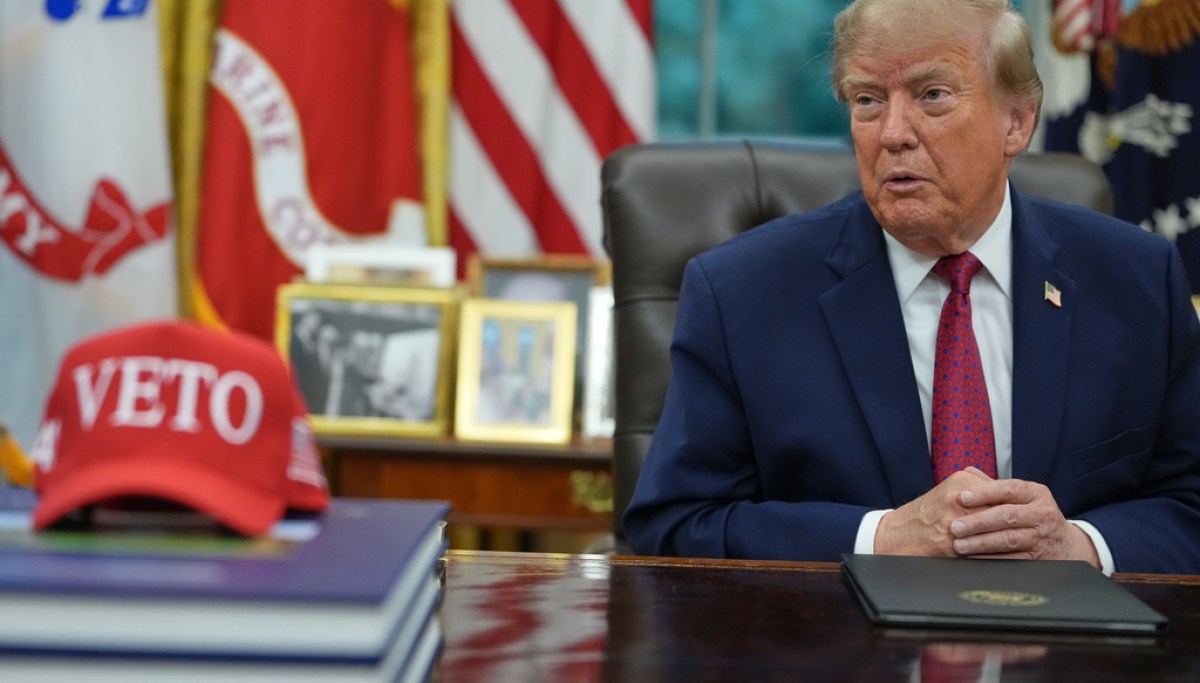
A new Trump administration order puts federal contractors between Congress and the White House: companies must consult the administration before responding to congressional inquiries, or risk losing government work. The White House calls that a defense of executive privilege; the opposing view is that it could make oversight harder just as Democrats prepare to investigate the administration.
The order’s defenders portray it as a safeguard against congressional overreach. One conservative account says Trump acted to “fortify the White House” against expected “weaponization” by a Democrat-controlled Congress, and emphasizes the order’s assertion that requests must have a valid legislative purpose and not intrude on core executive functions. It also says contractors should coordinate with the White House and agencies before answering, and that the executive branch may intervene or sue if they do not notify it in time.
Liberal accounts instead foreground the practical consequences: contractors and subcontractors must coordinate on “appropriate responses” to congressional requests and withhold communications the White House considers privileged. Noncompliance could mean terminated contracts or suspension from future federal work. They place the directive in a wider effort to control how agencies respond to Congress, as Democrats prepare investigations into federal contracts and companies linked to Trump’s family.
The accounts agree that executive privilege is the administration’s stated rationale, but differ on what the order represents. The conservative framing stresses the executive branch’s right to protect confidential information; the liberal framing notes that privilege is not absolute and that disputes over its reach can lead to prolonged legal fights. That tension matters because the order applies across a vast pool of federal contractors, not just companies at the center of any one inquiry. The result could be more than a procedural change: it may place private businesses in the middle of a political and constitutional contest over who gets access to government information.
Write a comment