At Angola’s rodeo, a fleeting taste of freedom comes with a cost
At Angola’s rodeo, a fleeting taste of freedom comes with a cost
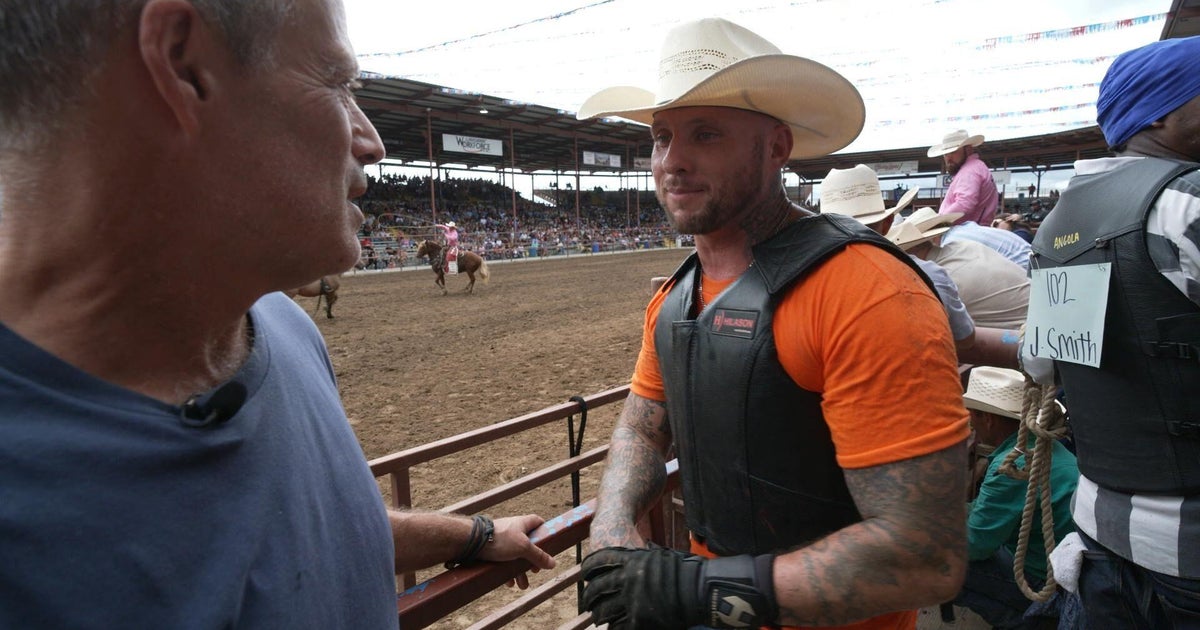
At Louisiana’s Angola prison, men serving life sentences ride bulls and sell handmade crafts before thousands of visitors. For participants, the rodeo can offer a few hours of freedom and a reason to keep going; beyond the prison walls, it has also drawn charges of exploitation.
Those competing views are not quite opposites. Kevin “Country” Gildhouse, serving life without parole, says riders “love it” and are “not forced to do anything here.” For Travis “Buckethead” Johnson, a reigning champion with two first-degree murder convictions, the draw is “that moment of accomplishment” — a fleeting feeling of weightlessness inside a life sentence.
The rodeo’s value, however, is not limited to competition. Kenny “300” Palmer calls the riders “constructively insane,” but says the event gives people “some type of” outlet. He sells chessboards and necklaces instead, earning $87 on the day of the CBS visit; craftspeople pay 11% of sales to the prison, while riders keep their winnings. The public can also visit family members, and Palmer describes those hours together as one of the event’s best parts.
That personal meaning does not settle the ethical question. The rodeo has faced criticism outside Angola, including comparisons to gladiatorial spectacle, while the prison’s warden, Darrel Vannoy, argues that it shows incarcerated men are “human beings” and “better than their worst day.” The contrast is telling: the same event can offer participants agency and connection while turning their confinement and physical risk into public entertainment.
Angola’s rodeo does not erase the sentences its participants are serving or the harm behind them. It offers a temporary stage within those realities — one that inmates may value, even as outsiders question what the audience is being invited to watch.
Write a comment