COP31’s collapse leaves climate leaders defending a process that produced no deal
COP31’s collapse leaves climate leaders defending a process that produced no deal
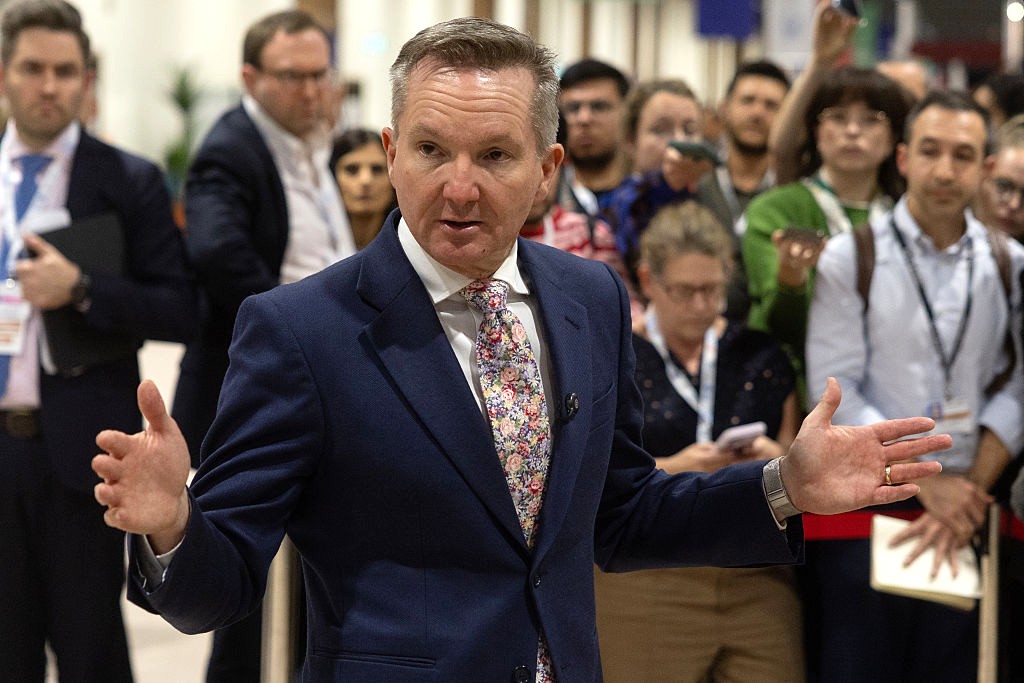
COP31 ended in Turkey without an overarching climate agreement, exposing a divide over whether a weak compromise was better than no deal at all. The collapse also left Australia’s role under scrutiny, as critics argued that the final text sidestepped the central cause of climate change.
Australia defended its leadership after negotiations ran far beyond their scheduled close and the joint presidencies decided not to submit another draft. The conservative account framed the breakdown as a failure of consensus after two weeks of difficult talks, rather than a failure by one country. It also pointed to the disputes over fossil-fuel dependence and climate finance, noting that the proposed package omitted any direct reference to fossil fuels.
But liberal accounts put the omission at the heart of the failure. The EU, UK and several developing countries rejected the proposed “Antalya pact,” with Ireland’s environment minister saying it “does not even mention fossil fuels.” Their objection was not simply to the absence of a phrase: the draft also failed to endorse the transition away from fossil fuels sought by more than 130 countries, while including provisions on carbon capture that critics said could prolong their use.
Those critics also challenged the richer countries’ claim to climate leadership. Community and campaign leaders said the talks sidelined finance for poorer countries facing climate impacts, while Mohamed Adow accused Europe of demanding fossil-fuel plans abroad as it expanded fossil fuels at home. That criticism complicates the picture: rejecting a text without fossil-fuel commitments signaled resistance to a hollow deal, but it did not resolve disputes over who should pay for climate action.
The result was a split between those who emphasized the difficulty of reaching consensus and those who saw the collapse as preferable to endorsing inadequate language. Meanwhile, Australia’s Chris Bowen argued that the energy transition was already advancing beyond the negotiating halls—an argument that offers momentum, but no substitute for an international agreement.
Write a comment