The Shenzhen summit delivered a photo op, not a breakthrough
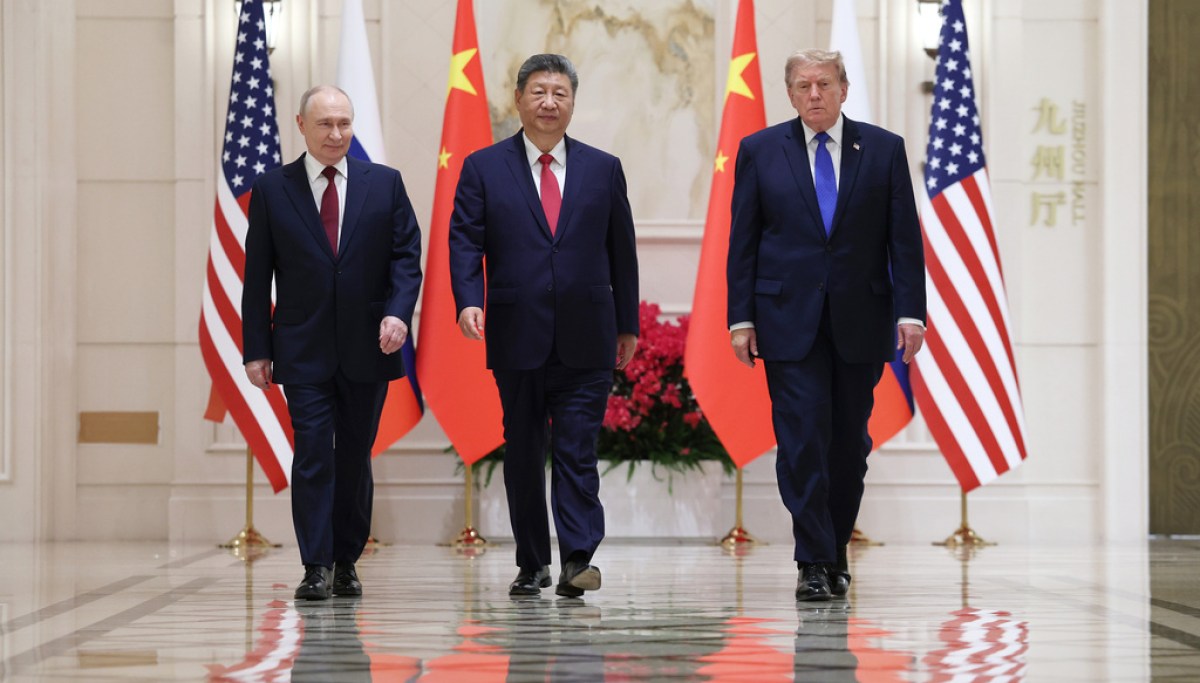
The Shenzhen summit delivered a photo op, not a breakthrough
Three presidents with nuclear arsenals met under one roof, but left the world with an unresolved question: was the Shenzhen summit a useful opening for diplomacy, or a high-profile gathering that avoided the problems it was meant to address?
A conservative account calls the outcome a failure dressed up as history. It says the leaders produced no nuclear arms agreement or Ukraine ceasefire, while the final declaration avoided naming the war. “A peace declaration that cannot bring itself to mention one of the world’s most devastating wars deserves skepticism, not celebration,” the article argues. It also warns that Russia’s president gained the stature of an equal negotiating partner, while Ukraine and America’s European allies had no seat at the table.
A more conciliatory account emphasizes what the meeting might enable rather than what it achieved. It presents China’s hosting of major-power gatherings as part of Xi Jinping’s effort to expand Beijing’s influence and provide forums for diplomacy. Tsinghua University scholar Jodie Wen said China hopes “to play a more constructive role in this conflict-[ridden], unstable world.” The article says a Chinese readout reported that the leaders discussed Ukraine, the Middle East and the Korean Peninsula, even as the critics’ account stresses that Ukraine was absent from the final declaration.
That distinction captures the summit’s central ambiguity: discussion is not the same as a settlement, but a meeting can still create space for further talks. The critical account sees symbolic diplomacy without the concrete commitments needed to limit nuclear risks or address the war. The China-focused account sees value in keeping leaders engaged and creating a platform for future negotiations. Both point to a gathering whose significance will depend less on its photographs and broad promises than on whether it produces follow-through.
Write a comment