Trump’s death-penalty push turns Newsom’s clemency plan into a political fight
Trump’s death-penalty push turns Newsom’s clemency plan into a political fight
President Donald Trump is pressing for more federal death-penalty cases while attacking California Governor Gavin Newsom for planning to commute 548 state death sentences. The clash is about more than punishment: it pits competing claims of justice against questions of who receives mercy, and on what terms.
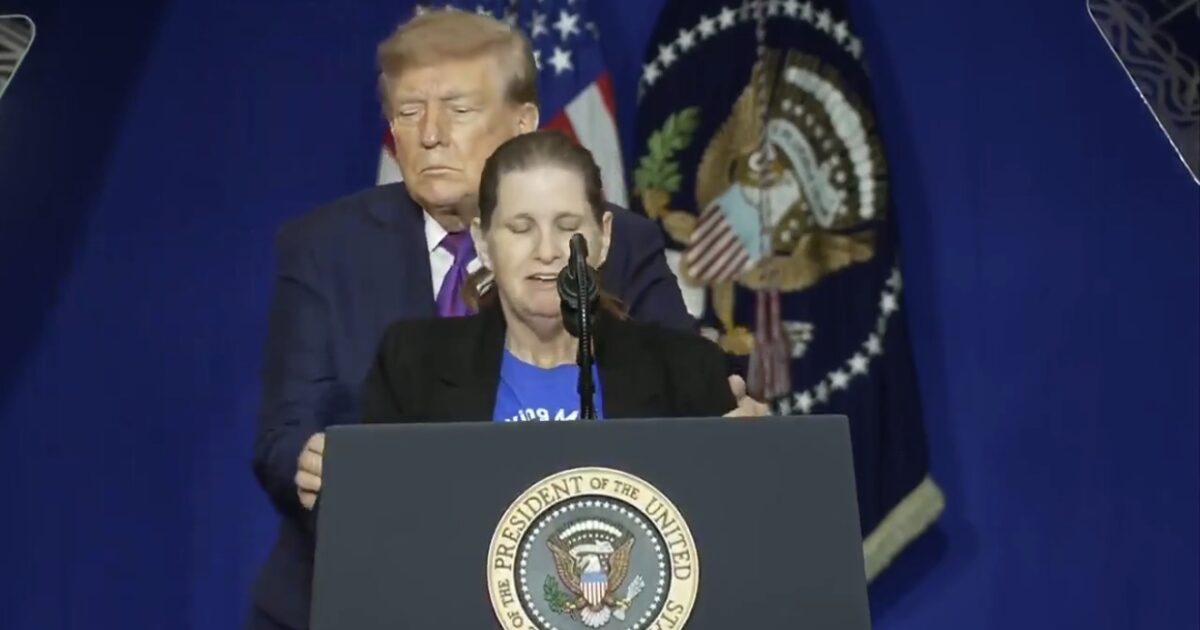
Trump announced a directive telling federal prosecutors to seek death sentences in child-murder cases and cases where rape or human trafficking results in a victim’s death. He presented the policy alongside criticism of Newsom’s plan, though the federal directive would not change the state commutations. Newsom’s proposal would replace the sentences with life without parole; it would not release prisoners, and most commutations require state Supreme Court approval.
The two leaders frame that distinction in opposite ways. Trump called the commutations “one of the most shocking acts of injustice our country has ever seen,” casting them as a betrayal of victims’ families. Newsom argues that capital punishment is arbitrary and vulnerable to wrongful convictions. He also says the inmates will remain imprisoned for life, while accusing Trump of reserving clemency for the well-connected. “Donald Trump doesn’t oppose mercy; he sells it,” Newsom said, citing presidential pardons as evidence of unequal treatment.
Victims’ families, too, do not speak with one voice. Sandy Friend, whose eight-year-old son was murdered, challenged Newsom over the commutation of her son’s killer, saying, “Face me, Governor Newsom. Tell me Michael’s life doesn’t matter.” But Jess Nichol, whose sister was murdered, said she had come to oppose the death penalty: “When victims are this divided, the death penalty shouldn’t be the answer.”
That divide complicates both politicians’ claims to speak for victims. Trump’s directive makes federal executions a central part of his tough-on-crime message; Newsom’s response shifts the argument toward the fairness of capital punishment and presidential pardons. Neither position resolves the underlying dispute over whether justice means carrying out a death sentence—or withholding it.
Write a comment