ECB leadership deal puts a dovish technocrat to the test
ECB leadership deal puts a dovish technocrat to the test
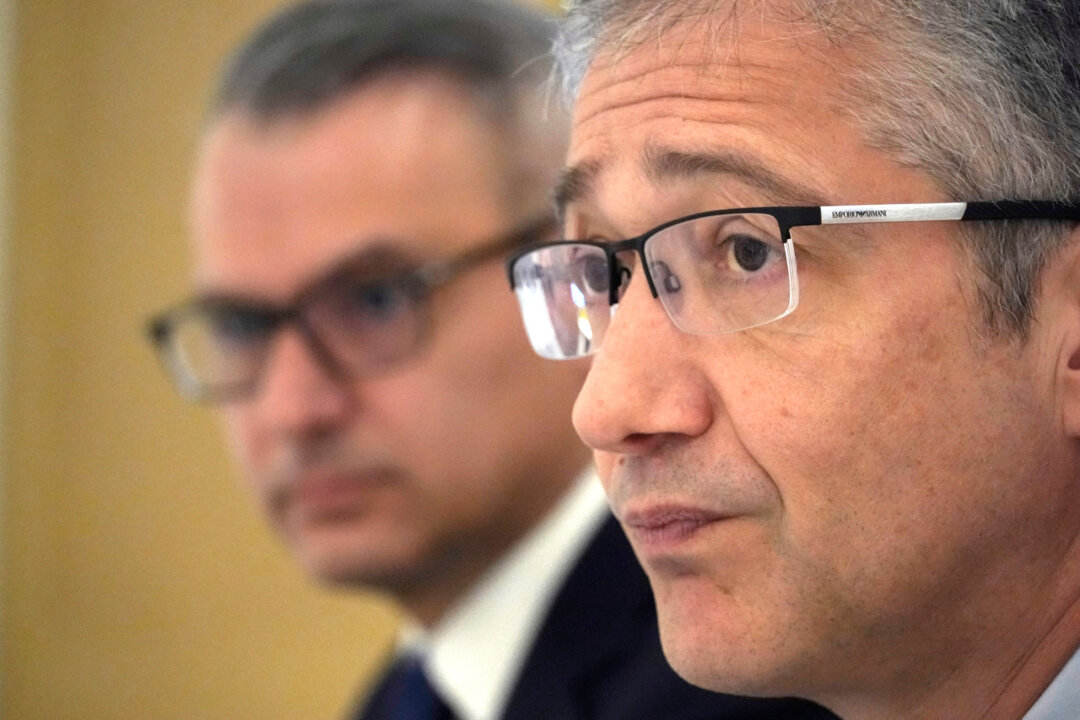
European leaders have backed a career central banker to lead the European Central Bank, choosing continuity at a moment when inflation and national debt pressures threaten to pull the eurozone in different directions.
Pablo Hernández de Cos, the former governor of Spain’s central bank, is set to succeed Christine Lagarde after securing support from euro-area governments. European Council President António Costa said consultations with the European Parliament and the ECB’s governing council would precede a formal appointment, expected in December.
The selection reflects both technical credentials and political bargaining. Hernández de Cos prevailed over former Dutch central bank chief Klaas Knot as governments negotiated a wider package of ECB leadership posts. Analysts generally see the Spaniard as more inclined to support growth through lower rates, but note that he backed sharp increases when inflation surged after Russia’s full-scale invasion of Ukraine.
That flexibility is central to the case for his appointment. Union Investment’s Christian Kopf described Hernández de Cos as the candidate with the “strongest technical understanding of monetary policy and central banking,” while cautioning that his views may depend on the inflation regime.
Others stress the limits of continuity. AFS Group research director Arne Petimezas called him the “continuity candidate” but warned that ECB bond buying for France would not be unconditional: “No carte blanche: bond buying will remain contingent on austerity and a path towards a lower debt ratio.”
The challenge is to reconcile those competing pressures. Eurozone inflation has reached 4%, while France faces rising debt and political uncertainty. Hernández de Cos may favor growth more than Knot, but the ECB president remains one voice on a governing council that must set policy for 21 economies.
Write a comment