Mexico and the DEA clash over cartel tip lines
Mexico and the DEA clash over cartel tip lines
A new U.S. effort to gather tips on Mexican cartels has exposed a familiar divide: Washington wants more information about criminal networks, while Mexico says the approach crosses a sovereignty line.
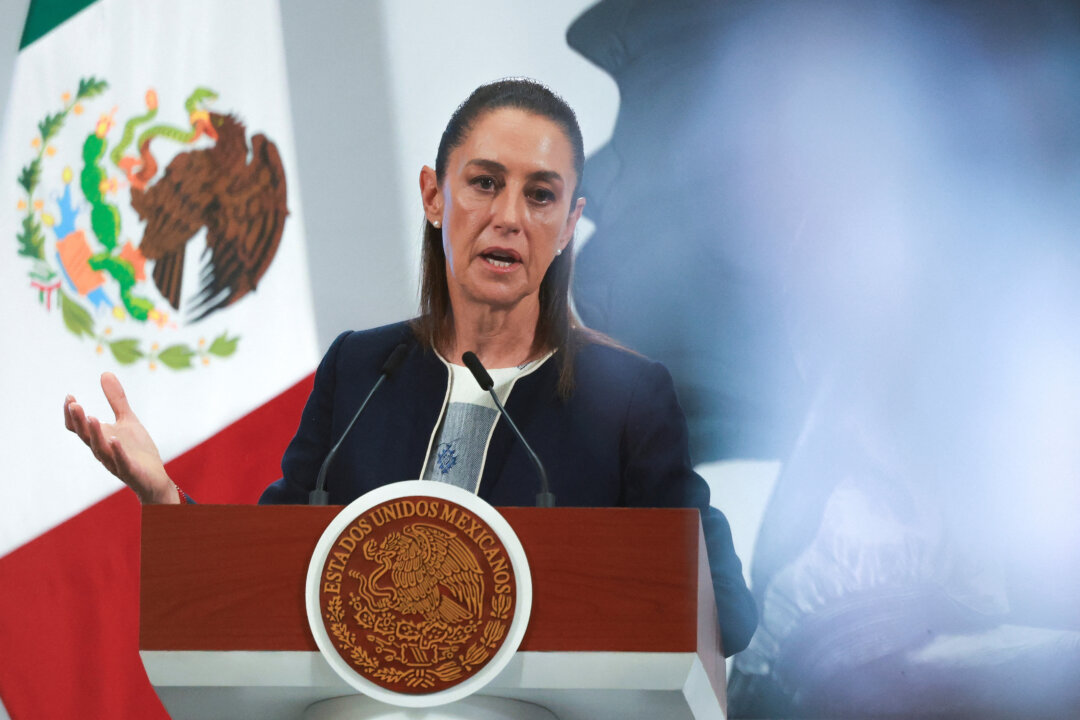
President Claudia Sheinbaum called the Drug Enforcement Administration’s anonymous tip lines “clearly a matter of interference,” asking how Washington would respond if Mexico set up a similar service in the United States. Her objection is not to all security cooperation, but to an initiative she sees as bypassing Mexican institutions.
The DEA presents the lines differently. Administrator Terry Cole asked for confidential information about criminal networks in Sinaloa, corrupt officials and people who launder money for traffickers, saying: “Your information matters. Your identity and your safety matter.” The two governments thus share an interest in disrupting cartels but disagree over who should solicit information and on whose territory.
Sheinbaum also turned the criticism back on Washington, citing an Associated Press investigation that found the DEA allowed at least 1.4 million counterfeit fentanyl pills to go unseized during an investigation. She called it the “Fast and Furious of Fentanyl.” The DEA had previously denied knowingly allowing fentanyl trafficking, and did not immediately respond to a request for comment on the latest findings.
Mexico, meanwhile, faces its own questions about official collusion. U.S. prosecutors have accused Sinaloa Gov. Rubén Rocha Moya and other officials of helping the cartel; Rocha Moya denied the charges and stepped away from office. Mexican authorities have also arrested officials accused of cartel ties, a reminder that sovereignty claims and domestic enforcement can coexist—but neither resolves the dispute over U.S. pressure.
Write a comment