Ivica Dačić Reflects on Slobodan Milošević's Legacy
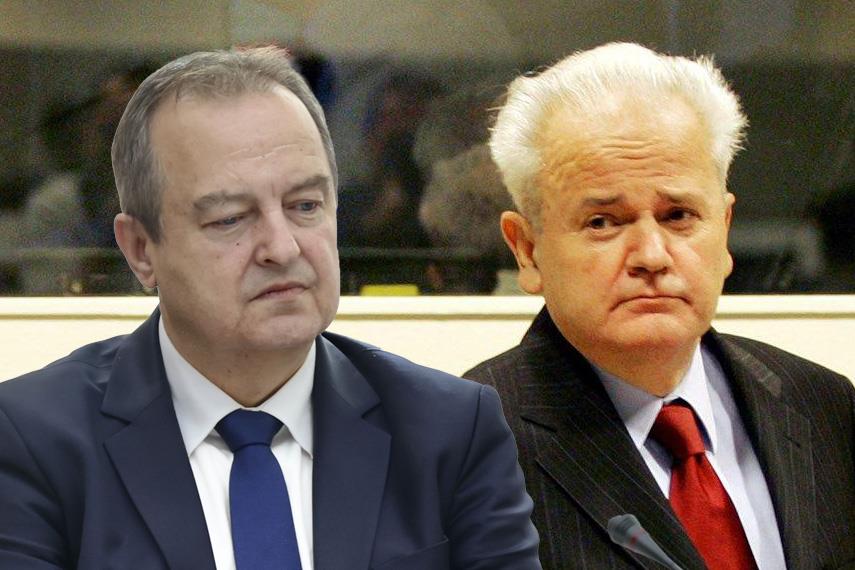
Ivica Dačić Reflects on Slobodan Milošević’s Legacy pro-government Pro-government coverage portrays Dačić’s reflections as a long-overdue correction of an international narrative that vilified Milošević, emphasizing his patriotism and willingness to sacrifice for Serbian interests. These outlets present the reported shift in public opinion as evidence that, amid unresolved national issues, more citizens are recognizing Milošević as a historically significant leader who defended Serbia against external pressure. @Kurir @Republika Ivica Dačić, current Serbian minister and long-time Socialist Party figure, marked the 20th anniversary of Slobodan Milošević’s death with public comments and social media posts that have been widely covered. Across the spectrum, media agree that Dačić framed Milošević as a major historical figure and explicitly linked his legacy to today’s unresolved national and state issues, noting his claim that many citizens are re-evaluating their views of the former president. Outlets concur that Dačić portrayed Milošević as a patriot and nationalist who, in Dačić’s words, was the only Serbian leader after the Balkan Wars who consistently put Serbian interests first, while acknowledging that Milošević made mistakes in day-to-day politics. Coverage also consistently mentions Dačić’s personal connection as a former spokesman and ally, including his anecdote about meeting Milošević’s wife Mira Marković in an elevator during the Vukovar crisis, when she asked him about the situation and he replied that she should ask Milošević himself.
Common background elements in both opposition and pro-government reporting emphasize that Milošević died in 2006 while facing war-crimes charges at The Hague, and that his era is associated with the breakup of Yugoslavia, international sanctions, armed conflicts, and deep economic hardship in Serbia. Both sides reference the Socialist Party’s enduring role in Serbian politics and Dačić’s continuous attempt over years to recast Milošević’s historical reputation, especially on symbolically charged dates like Vidovdan, which Dačić invoked by saying Milošević “gave his head for Serbia” on that day. Media generally agree that the reassessment of Milošević’s role is occurring in a climate of persistent national questions related to Kosovo, the status of Serbs in the region, and Serbia’s place between East and West. They also note that Dačić’s statements come amid ongoing debates over transitional justice, historical memory, and how to interpret the legacies of 1990s leaders within Serbia’s contemporary institutional and political framework.
Areas of disagreement
Milošević’s historical role. Opposition outlets typically frame Dačić’s remarks as part of a worrying trend of historical revisionism that seeks to sanitize a leader associated with authoritarian rule, wars, and international isolation, often emphasizing Milošević’s indictment in The Hague and the collapse of Yugoslavia. Pro-government outlets instead echo and amplify Dačić’s portrayal of Milošević as a misunderstood statesman and patriot whose strategic goals were allegedly defensive and national in character. While opposition sources highlight the human and economic costs of his rule, pro-government sources foreground his perceived resistance to foreign pressure and depict him as a symbol of Serbian sovereignty.
Responsibility for the 1990s conflicts. Opposition coverage stresses Milošević’s political responsibility for the wars, ethnic cleansing, and sanctions of the 1990s, presenting Dačić’s praise as an attempt to downplay Serbia’s role and evade accountability. Pro-government coverage, by contrast, downplays or relativizes this responsibility, often framing Serbia as primarily a victim of external aggression, NATO intervention, and hostile international narratives. Opposition media link Dačić’s comments to a broader refusal to confront past crimes, whereas pro-government outlets emphasize Western double standards and argue Milošević was unfairly singled out.
Public opinion and legacy re-evaluation. Opposition outlets treat Dačić’s claim that “many citizens” are revising their view of Milošević with skepticism, often suggesting it is more a product of government-controlled media and manufactured nostalgia than genuine mass sentiment. Pro-government outlets take this claim at face value, presenting it as evidence that ordinary people, disillusioned by current unresolved national problems, are increasingly seeing Milošević as having been right on key issues. While opposition sources warn that such narratives exploit social frustration to rehabilitate discredited elites, pro-government sources describe the reevaluation as a natural corrective to what they call decades of one-sided demonization.
Continuity of today’s government with Milošević’s era. Opposition coverage underscores Dačić’s personal and political continuity with Milošević, portraying his statements as proof that current ruling elites are ideologically rooted in the 1990s and have never broken with that legacy. Pro-government outlets instead frame Dačić’s remarks as an expression of historical loyalty and gratitude that does not negate Serbia’s institutional evolution or current policy choices. Opposition media argue that glorifying Milošević signals a refusal to pursue genuine reforms and democratic consolidation, whereas pro-government media suggest that acknowledging Milošević’s “patriotism” is compatible with a modern, pragmatic state.
In summary, opposition coverage tends to present Dačić’s defense of Milošević as dangerous historical revisionism that obscures responsibility for the 1990s and signals continuity with an authoritarian past, while pro-government coverage tends to treat his remarks as a justified patriotic reassessment of a maligned leader, aligning Milošević’s legacy with national pride and resistance to external pressure. Story coverage
Write a comment