US Confirms Airstrikes on Iran's Harg Island
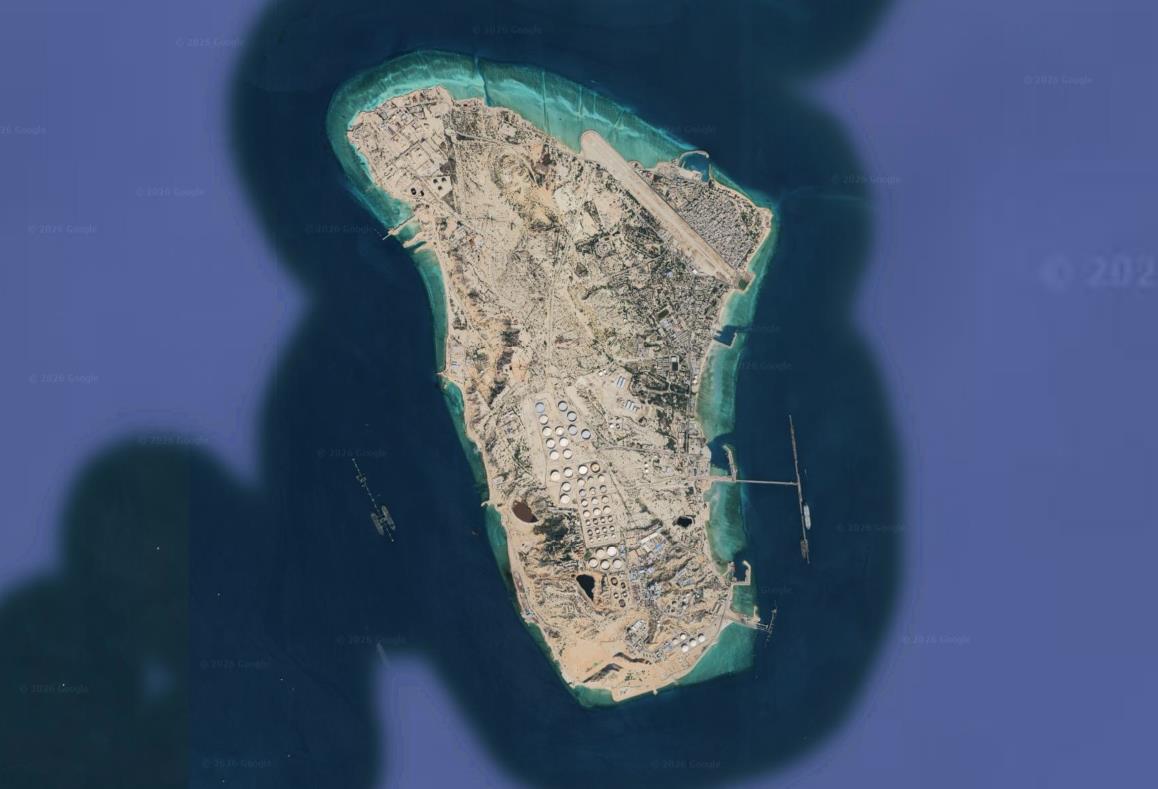
US Confirms Airstrikes on Iran’s Harg Island pro-government Pro-government coverage portrays the Harg Island strikes as a major but justified escalation in which US forces successfully hit military targets on Iran’s most critical oil-export hub to protect global shipping and energy supplies. These outlets emphasize Trump’s claims that Iran’s capabilities have been “decimated” and argue that decisive action will stabilize markets and deter further Iranian aggression. @Kurir @Telegraf US and allied strikes on Iran’s Harg Island have been confirmed by Washington and widely reported across the spectrum as a major military action targeting facilities on or near Iran’s key oil export hub. Both opposition and pro-government outlets agree that Harg Island handles roughly 90–95 percent of Iran’s crude exports, that the island is small but strategically vital in the Persian Gulf, and that US forces concentrated on declared military installations on the island. They also concur that President Donald Trump publicly linked the operation to Iran’s perceived threats to shipping in the Strait of Hormuz and warned of further action against energy infrastructure if such behavior continued.
Across both camps, coverage emphasizes that any serious damage to Harg Island could have profound implications for Iran’s economy and for global energy markets, given the island’s central role in Iran’s export system. Outlets generally agree that the strikes represent a sharp escalation in the ongoing confrontation between the US and Iran and that they were framed by Washington as a move to secure international oil supplies. There is shared recognition that the attack fits into a broader pattern of US pressure on Iran’s regional activities and its use of strategic chokepoints, and that any sustained disruption of exports from Harg Island would likely push oil prices higher and inject new volatility into Middle Eastern security dynamics.
Areas of disagreement
Legality and justification. Opposition-aligned sources tend to question the legal basis for the strikes, portraying them as an aggressive or even unlawful use of force against another state’s critical economic infrastructure. Pro-government outlets instead emphasize the operation as a legitimate act of self-defense and deterrence in response to Iran’s threats to navigation in the Strait of Hormuz. While opposition coverage highlights the absence of a clear UN mandate and raises concerns about setting precedents for attacks on energy facilities, pro-government reporting foregrounds US claims of protecting global commerce and preventing further Iranian escalation.
Targets and intent. Opposition media often frame the choice of Harg Island as evidence that Washington is willing to cripple Iran’s broader economy under the guise of hitting military assets, stressing the proximity of oil terminals and export infrastructure. Pro-government outlets, by contrast, stress that the declared focus was on military installations and command-and-control nodes, arguing that any pressure on oil exports is a byproduct of degrading Iran’s capacity to threaten shipping. Opposition narratives tend to read the strikes as part of a maximum-pressure strategy aimed at regime weakening, while pro-government narratives cast them as a calibrated warning meant to change Iranian behavior without outright war.
Consequences and risks. Opposition-aligned coverage plays up the risk of a wider regional war, possible Iranian retaliation against US allies, and the danger of long-term disruption in global energy markets, suggesting that the operation may prove strategically counterproductive. Pro-government outlets, however, underscore Trump’s assurances that the US will ensure continued oil supplies and stress market-stabilizing aspects of the show of force, downplaying the likelihood of uncontrollable escalation. While opposition sources warn that higher oil prices and instability could hurt the global economy and backfire on the US, pro-government sources argue that decisive action now reduces future risks and reassures allies and markets.
Political framing and outcomes. Opposition reporting frequently interprets the strikes through a domestic and international political lens, suggesting that Washington is using military action to project strength, distract from other issues, or box Iran into a corner diplomatically. Pro-government media instead depict the operation as proof of effective leadership and strategic clarity, highlighting claims that the US has “decimated” Iran’s capabilities and restored deterrence. For opposition voices, the attack is more likely to entrench hard-liners in Tehran and complicate diplomacy, whereas pro-government voices portray it as a necessary step to force Iran back to negotiations from a position of weakness.
In summary, opposition coverage tends to depict the Harg Island strikes as a dangerous, legally dubious escalation that risks economic turmoil and wider war, while pro-government coverage tends to present them as a justified, controlled show of force designed to protect global shipping, ensure oil supplies, and compel Iran to curb its regional provocations. Story coverage
Write a comment