Police Bust Car Theft Ring; 16 Arrested Across Serbia
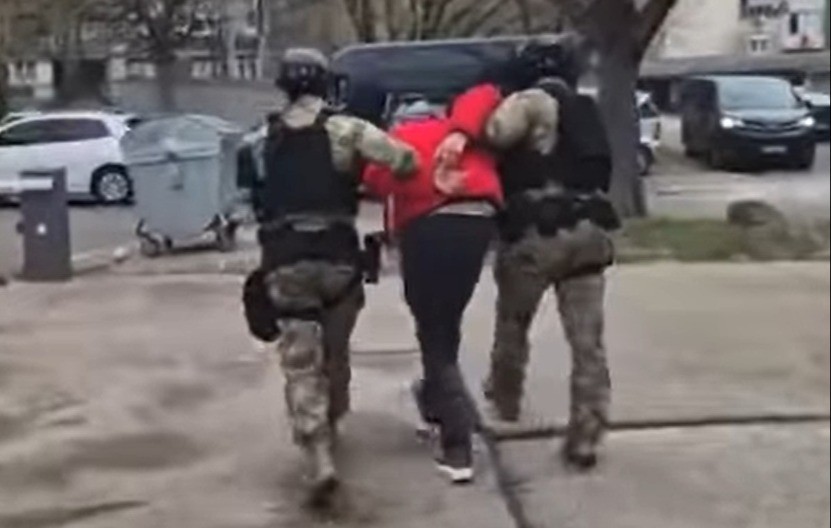
Police Bust Car Theft Ring; 16 Arrested Across Serbia pro-government Pro-government coverage portrays the arrest of 16 suspects as a major nationwide operation in which the interior ministry and organized crime prosecutors effectively dismantled a serious international car-theft and fraud network. These outlets emphasize the professionalism of the police, the scale of the action, and present it as clear evidence that current authorities are strengthening Serbia’s fight against organized crime. @Telegraf @Alo! @Политика Police and prosecutorial sources from both opposition and pro-government–aligned coverage agree that 16 people were arrested in a coordinated police operation carried out across several Serbian cities, including Belgrade, Požarevac, Smederevo, Ruma, and Velika Plana. The suspects are commonly described as part of an organized criminal group that obtained high-value vehicles in EU countries, mainly Germany and Austria, then transported them into Serbia, removed GPS tracking devices, and resold the cars at well below market value; two additional suspects are reported as being sought.
Across the spectrum, outlets concur that the operation was led by the Ministry of Internal Affairs in cooperation with the Public Prosecutor’s Office for Organized Crime, and that the main alleged offenses include criminal association, fraud, and concealment. Both sides present the case as part of broader efforts against cross-border car theft and fraud networks targeting the EU–Western Balkans corridor, and they agree that the suspects have been detained pending further investigative and judicial steps within Serbia’s organized crime framework.
Areas of disagreement
Framing of the police operation. Pro-government outlets present the action as a highly successful and well-coordinated nationwide crackdown, emphasizing scale, speed, and efficiency, often using dramatic language and video footage of arrests. Opposition-aligned outlets, while acknowledging the arrests, tend to frame the operation more cautiously, treating it as a routine action that does not necessarily prove systemic improvement. They are more likely to downplay heroizing rhetoric and instead focus on whether such operations are episodic showpieces rather than evidence of sustained, institutional capacity.
Political credit and institutional performance. Pro-government coverage highlights the role of the interior ministry and organized crime prosecutors, implicitly crediting current leadership and reforms with enabling the bust. Opposition sources, by contrast, often question whether the same institutions have tolerated or overlooked similar networks until now, suggesting that structural weaknesses and political influence over law enforcement persist. While pro-government media link the case to a narrative of strengthening rule of law, opposition outlets tend to cast it as a selective success that does not resolve deeper issues of corruption or impunity.
Scale and significance of the criminal group. In pro-government narratives, the arrested network is portrayed as a major “auto mafia” whose dismantling represents a significant blow to international car-theft operations. Opposition coverage is more likely to question the true reach and hierarchy of the group, asking whether higher-level organizers or political patrons remain untouched. This side may argue that the focus on 16 suspects risks obscuring larger criminal ecosystems and cross-border connections that go beyond the individuals arrested.
Timing and motives. Pro-government outlets generally treat the bust as the result of long-term investigative work, without drawing attention to its political timing. Opposition-aligned media, however, often raise the possibility that the operation’s public presentation is calibrated to coincide with sensitive political moments, such as scandals, protests, or international scrutiny of Serbia’s rule-of-law record. They may suggest the arrests are used as a media event to divert attention or bolster the government’s image domestically and abroad.
In summary, opposition coverage tends to acknowledge the car-theft bust while questioning its systemic impact, institutional independence, and political timing, while pro-government coverage tends to showcase the operation as a flagship success demonstrating effective law enforcement, institutional strength, and a serious commitment to combating organized crime. Story coverage
Write a comment