Heavy Snowfall and Storms Hit Mountainous Regions of Serbia
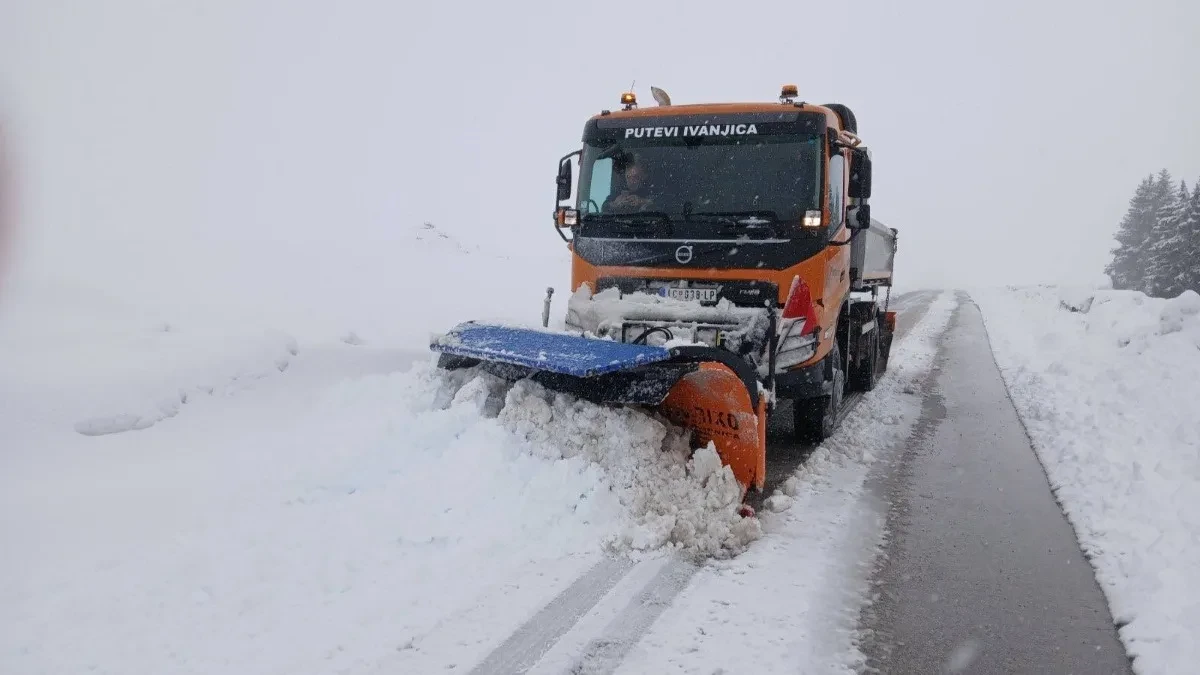
Heavy Snowfall and Storms Hit Mountainous Regions of Serbia pro-government Pro-government coverage presents the heavy snowfall and storms as a severe but well-managed weather event, emphasizing timely meteorological warnings, coordinated deployment of snow-clearing crews, and the resilience of key infrastructure. These outlets highlight that conditions are expected to stabilize quickly, framing the episode as a natural anomaly rather than a failure of state institutions. @Republika @Telegraf @Alo! Heavy snowfall and storms have struck mountainous regions of Serbia, especially areas above 1,000 meters such as Kopaonik and parts of southern and southwestern Serbia, with some villages in highland zones reporting snow depths of 40 centimeters and drifts exceeding two meters. Both opposition and pro-government outlets describe a sudden return of winter conditions at the start of April, including temperatures dropping below zero, blizzard-like winds reaching around 80 km/h, and widespread disruption of local traffic that has left some roads snowbound and required the use of winter equipment and, in places, snow-clearing machinery. They also concur that the national meteorological service has issued elevated alerts, including orange and yellow weather warnings due to heavy snow in the mountains and strong rain in the lowlands, and that drivers have been urged to exercise caution, adapt speed, and use appropriate tires and chains where necessary to reduce the risk of accidents. Both sides report that while no nationwide catastrophe has been declared, the combination of snow, wind, and ice has created difficult conditions for residents, tourists, and transport services in the affected regions.
Across outlets, there is broad agreement that the episode is part of a broader pattern of unstable spring weather in Serbia, where sudden cold spells and late-season snow are not unprecedented but have become more intense and unpredictable in recent years. Media of both orientations reference the role of the national hydrometeorological service and civil protection bodies in issuing alerts and coordinating responses, and they echo expert commentary that attributes the severity of the event to overlapping atmospheric fronts bringing cold air over relatively warm ground. There is also shared reporting that authorities at the national and municipal levels have mobilized road maintenance and utility companies to clear snow and maintain power and communications, and that the cold wave is expected to ease gradually from Friday, with more stable, warmer weather and rapid snowmelt anticipated from Sunday onward. Both sides note that although conditions on the peaks will remain winter-like for some days, the broader national infrastructure is expected to recover quickly, limiting the long-term impact of the storm.
Areas of disagreement
Responsibility and preparedness. Opposition-aligned sources say the storm exposes chronic underinvestment in regional infrastructure and emergency services, arguing that local authorities and public companies were caught off guard despite clear forecasts and that road-clearing and power-restoration efforts were slow and uneven. Pro-government outlets, by contrast, emphasize that services were fully mobilized ahead of time, highlighting the issuance of orange and yellow alerts, the deployment of snowplows and utility crews, and presenting the situation as largely under control given the intensity of the snowfall. Opposition coverage tends to interview residents who complain about blocked roads, delayed assistance, and inadequate equipment, while pro-government media foreground statements from officials who insist that all critical routes are being cleared according to priority plans.
Framing of severity and impact. Opposition media typically portray the snowfall as a near-crisis for isolated mountain communities, stressing that some villages are effectively cut off, that drifts over two meters have hampered ambulance access, and that tourism and local commerce have suffered significant losses. Pro-government outlets acknowledge the severity of the weather but frame it more as a dramatic yet manageable natural event, often using spectacular imagery and headlines while stressing that essential infrastructure remains functional and that disruptions are temporary. While opposition coverage questions whether contingency planning was adequate for such well-forecast conditions, pro-government coverage argues that the existing system proved resilient, with no major casualties or long-term damage.
Role of central authorities versus local actors. Opposition-aligned reporting often criticizes the central government for delegating too much responsibility to under-resourced municipalities, suggesting that rural and mountainous areas are left to fend for themselves once the initial headlines fade. Pro-government media spotlight the central government’s coordination role, mentioning ministries, national public companies, and crisis headquarters as key actors ensuring that fuel, machinery, and personnel reach affected regions. In opposition narratives, local mayors and residents appear as voices pleading for more support, whereas in pro-government narratives, they more often appear thanking national authorities and praising swift interventions.
Long-term policy implications. Opposition outlets use the storm to reopen debates about climate resilience, infrastructure modernization, and rural depopulation, arguing that repeated episodes of extreme weather show that roads, power grids, and communication networks in the mountains need systematic upgrades. Pro-government outlets mention climate variability and the need for continued investment but fold this into a broader story that current government programs are already addressing such vulnerabilities through ongoing road, energy, and tourism projects. Opposition narratives frame the snowfall as evidence that announced reforms have been mostly cosmetic or delayed, while pro-government narratives treat it as proof that existing strategies are fundamentally sound and only require incremental improvement.
In summary, opposition coverage tends to stress vulnerability, insufficient preparedness, and structural neglect revealed by the storm, while pro-government coverage tends to highlight effective emergency management, centralized coordination, and the resilience of institutions in the face of severe but transient weather.
Story coverage
Write a comment