US Forces Conduct Rescue Operation for Downed F-15 Pilot in Iran
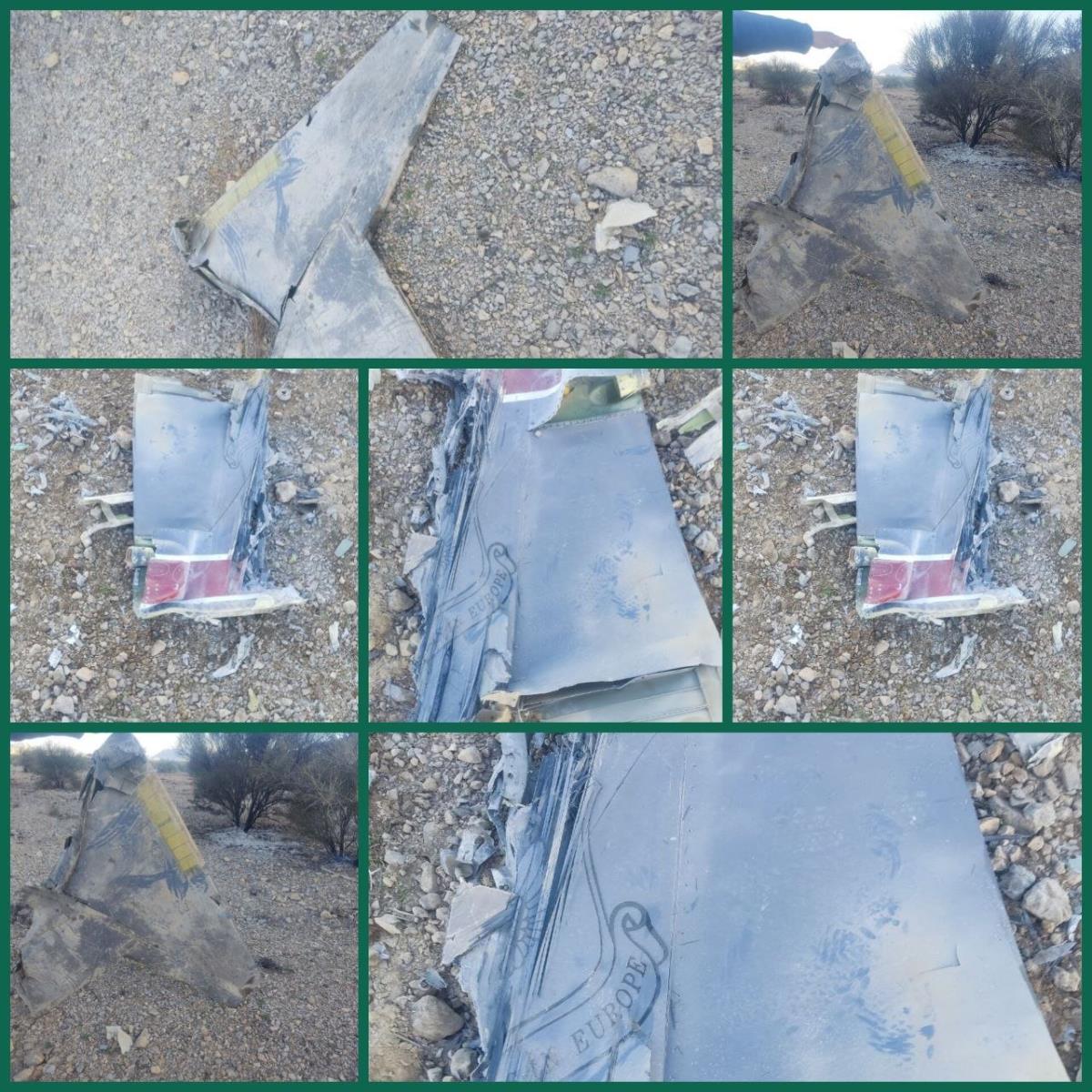
US Forces Conduct Rescue Operation for Downed F-15 Pilot in Iran opposition Opposition coverage depicts the rescue of the downed F-15 crew as a daring but impeccably executed special operation that recovered both airmen without US casualties and demonstrated overwhelming American air superiority over Iran. Trump’s framing of the mission as one of the boldest in history is taken largely at face value, with little attention paid to foreign claims of losses or to the implications of the jet being shot down in the first place. @Danas
pro-government Pro-government coverage portrays the operation as an almost impossible mission carried out deep inside Iran, highlighting the pilot’s prolonged ordeal, intense firefights, CIA deception, and reports that several US soldiers and multiple aircraft were lost despite the eventual rescue. It uses the incident to argue that Iran’s improved air defenses, possibly aided by Russian MANPADS, are eroding US air dominance and forcing Washington into ever riskier, more covert operations. @Kurir @Telegraf @Republika US and allied coverage broadly agrees that an American F-15 was shot down over Iranian territory, leaving two crew members stranded behind enemy lines and triggering complex special operations to recover them. Both sides report that at least one, and ultimately both, of the crew were rescued alive in separate missions after surviving for many hours in remote mountainous terrain, with the pilot or weapons officer wounded and hiding to evade Iranian forces. There is shared acknowledgment that the rescue required deep penetration into Iran by US special operations forces, the establishment of at least one temporary forward base, and the use of significant air support assets including transport and rescue aircraft and helicopters. All reporting also converges on the narrative that the mission was personally highlighted by President Donald Trump, who publicly framed the operation as a major success and proof of American military capability.
Across outlets, the incident is situated within a broader context of heightened US-Iran confrontation and great‑power involvement, including suggestions that the jet may have been downed by a modern shoulder‑fired missile system, possibly of Russian origin, supplied to Iran. Coverage agrees that intelligence agencies such as the CIA played a key role in shaping the operational environment inside Iran, including deception measures designed to confuse or misdirect Iranian defenses during the extraction. Media on both sides depict the rescue as emblematic of US reliance on elite special forces and high‑risk covert operations in contested airspace, where advanced air defenses and dense surveillance make pilot recovery particularly difficult. The story is framed within ongoing debates about air superiority, escalation risks, and the technological arms race in air defense systems that increasingly threaten manned aircraft operating near adversary territory.
Areas of disagreement
Casualties and cost. Opposition-aligned sources emphasize that both crew members were recovered without any American fatalities, echoing Trump’s claim that no US soldiers were killed and presenting the mission as a nearly flawless operation. Pro-government outlets, drawing on Iranian and Chinese reporting, highlight claims that multiple US aircraft were destroyed on the ground and that several American soldiers died during the rescue, portraying a high human and matériel cost. While opposition coverage largely omits or dismisses these foreign reports, pro-government pieces foreground them as evidence that the success came at a steep hidden price and that official US statements are incomplete or misleading.
Operational success versus vulnerability. Opposition reporting frames the mission as one of the boldest rescues in history, underscoring seamless coordination, overwhelming air cover, and “complete air superiority” over Iran that allowed US forces to operate with impunity. Pro-government coverage, although conceding the extraordinary difficulty and eventual success of the extraction, dwells on the precariousness of the pilot’s situation, the extended time he spent exposed in the mountains, and intense firefights that suggest contested skies and serious risk from Iranian defenses. In the opposition narrative the rescue confirms US dominance and deterrence, whereas pro-government narratives stress that the very shootdown and chaotic recovery show how vulnerable high-value US assets have become.
Role of intelligence and deception. Opposition sources mention intelligence support primarily as part of a polished, centrally directed US operation that flawlessly integrated CIA planning with military execution, reinforcing an image of institutional competence. Pro-government outlets go into greater detail on alleged CIA deception inside Iran, describing elaborate ruses and misdirection as “the biggest deception during the war,” and using this to argue that Washington relied on trickery because it could not safely impose its will by force alone. Where opposition coverage uses intelligence successes to validate US strategic superiority, pro-government coverage uses the same theme to underscore the clandestine, escalation-prone nature of US actions on Iranian soil.
Significance of the downing itself. Opposition-aligned media treat the shootdown mainly as a backdrop to the heroic rescue, giving little attention to how Iranian forces managed to hit the F-15 and instead focusing on the rapid recovery of both airmen as the central story. Pro-government sources dwell on reports that a modern shoulder-fired Russian Verba system or similar MANPADS may have been used, framing this as evidence that Iran, possibly with Russian assistance, can now seriously threaten US fighters in the region. In opposition accounts, the event confirms ongoing American air supremacy despite occasional losses, while pro-government narratives suggest a shifting balance of power in which upgraded Iranian air defenses can inflict painful blows even when the US ultimately retrieves its personnel.
In summary, opposition coverage tends to present a clean, casualty‑free triumph that proves enduring US air superiority and institutional competence, while pro-government coverage tends to spotlight the heavy risks, alleged hidden losses, and growing Iranian capabilities that cast the mission as a costly, precarious gamble rather than an unambiguous victory. Story coverage
Write a comment