Section of Eiffel Tower's Original Staircase to be Auctioned
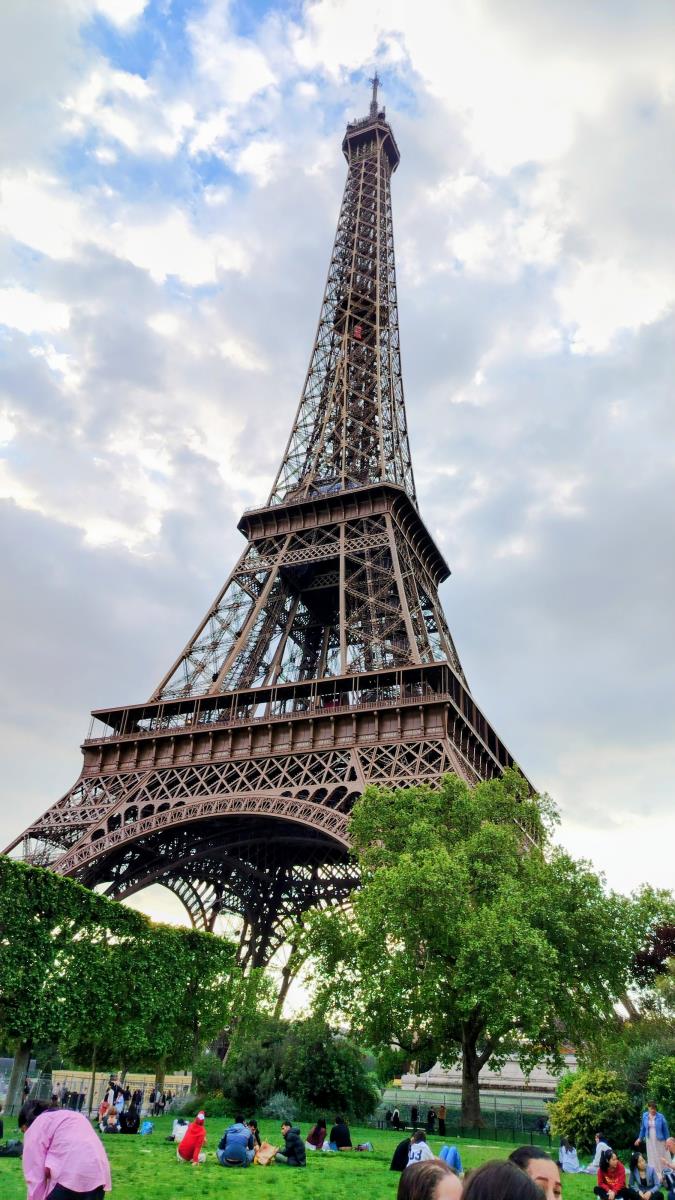
Section of Eiffel Tower’s Original Staircase to be Auctioned pro-government Pro-government coverage presents the auction of the Eiffel Tower staircase section as a prestigious event that underscores France’s cultural influence, engineering legacy, and the strength of its art and collectibles market. These outlets highlight the rarity, restoration, and high estimated price as signs of international admiration rather than as a problem of heritage policy. @Alo! @Kurir A section of the Eiffel Tower’s original spiral staircase, which linked the monument’s second and third floors from its inauguration in 1889 until its dismantling in 1983, is being put up for auction in Paris. The piece consists of 14 steel steps, measures around 2.75 meters in height and about 1.75 meters in diameter, has been held in a private collection for over four decades, and has undergone complete restoration; auctioneers estimate it will fetch between 120,000 and 150,000 euros when it goes under the hammer, with the sale date set for late May.
Coverage across outlets agrees that the staircase segment is part of the original structure designed under Gustave Eiffel, removed when the tower’s internal circulation was modernized, and subsequently divided into multiple sections that were dispersed to museums and private owners. Both sides situate the auction within a broader pattern of iconic monument fragments entering the art and collectibles market, note that such pieces are marketed as rare heritage objects with strong symbolic value, and emphasize that this sale reflects enduring global fascination with the Eiffel Tower and nineteenth‑century engineering rather than any change in the monument’s current management or public accessibility.
Areas of disagreement
Cultural meaning and symbolism. Opposition outlets tend to frame the auction as a symptom of the commodification of national heritage, warning that turning structural elements of a world monument into luxury collectibles reduces a shared symbol to a status object for the wealthy, while pro-government outlets highlight the sale as a celebration of French ingenuity and global prestige. Pro-government coverage usually stresses the pride of owning a piece of engineering history and the international appeal of such artifacts, whereas opposition reports are more likely to question whether this signals a drift toward treating heritage primarily as a revenue source.
Public interest versus private profit. Opposition sources often stress that a historically significant staircase segment is leaving or remaining outside the public domain, arguing it would be better placed in museums or educational institutions rather than in the hands of private collectors, while pro-government outlets focus on the legitimacy of private ownership and the transparency of the auction process. Where opposition coverage may raise concerns that financial elites disproportionately benefit from access to tangible pieces of history, pro-government reporting tends to underline that the sale can attract foreign capital, boost the art market, and indirectly support cultural sectors.
Role of state and institutions. Opposition-leaning media frequently question why public authorities or major cultural institutions are not intervening to acquire the staircase portion for national collections, sometimes hinting at underfunding or misplaced priorities in cultural policy, whereas pro-government outlets generally depict the auction as a normal outcome of long-standing private stewardship of the piece. In the latter narrative, the state’s role is portrayed as setting heritage rules and ensuring preservation standards, not necessarily as buyer of last resort, while opposition narratives press the idea that iconic objects linked to the Eiffel Tower deserve more active state protection or repatriation to public spaces.
Economic framing. Opposition coverage is more likely to contrast the six‑figure estimate for the staircase with broader social and economic issues, suggesting that such sums exemplify inequalities in who can participate in cultural consumption, while pro-government outlets present the valuation as an indicator of France’s soft power and the strength of its cultural brand. Pro-government pieces emphasize market logic, collectability, and the positive signaling effect of high auction prices, whereas opposition pieces tend to view the same numbers as evidence that heritage is increasingly governed by speculative valuation.
In summary, opposition coverage tends to treat the auctioned staircase as a case study in the privatization and commercialization of shared cultural heritage, while pro-government coverage tends to frame it as a legitimate and even inspiring example of global demand for French historical artifacts and the vitality of the country’s cultural marketplace. Story coverage
Write a comment