Melina Galić Marries British Businessman Jeffrey Paul Arnold Day in Monaco
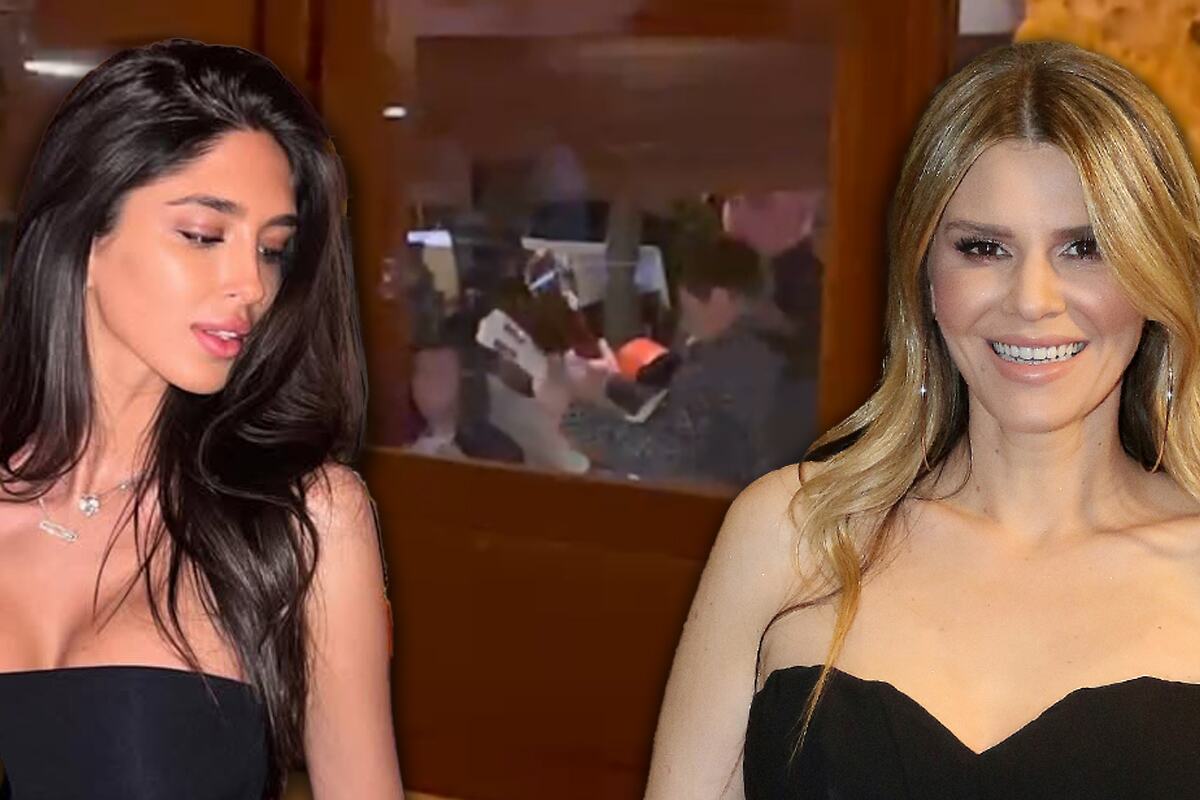
Melina Galić Marries British Businessman Jeffrey Paul Arnold Day in Monaco pro-government Pro-government outlets depict Melina Galić’s marriage to British millionaire Jeffrey Paul Arnold Day as a glamorous, multi-day Riviera celebration that fulfills the bride’s wishes, stressing luxury settings, emotional family moments, and her fresh start under her new surname. They acknowledge gossip and past marital tensions only briefly, treating them as background noise to an aspirational show-business love story. @Kurir @Telegraf @Alo! @Republika Melina Galić, a Serbian fashion designer and ex‑wife of singer Haris Džinović, married British businessman and millionaire Jeffrey Paul Arnold Day in Monaco on 18 April, in a civil ceremony attended by around 70 guests and close family. The celebrations were multi‑stage: a pre‑wedding gala on 17 April on the French Riviera (Nice/Monte Carlo area) with the Gipsy Kings performing, the official wedding in Monaco, and follow‑up festivities in Portofino, Italy, centered around the Splendido Mare, a Belmond hotel. Coverage from both opposition‑aligned and pro‑government tabloids agrees on the core logistics and imagery: yacht and helicopter transfers, arrival at venues in a vintage car, the presence of Melina’s parents, siblings and daughter Đina, and a conspicuously absent or distant son Kan who remained with his father in Serbia. They also concur that the event was highly luxurious, with details like an €8,000 custom Dior dress (approximately €10,000 with accessories), a yacht valued around €10 million, champagne‑soaked parties, and that Melina adopted her new husband’s surname, now being referred to as Melina Arnold or Galić Arnold.
Both camps outline the surrounding personal and show‑business context in largely similar terms: this is Melina’s second marriage following a high‑profile divorce from Haris Džinović, whose public statements about her (“she no longer exists for me”) still frame media narratives. They agree that family dynamics are mixed—Đina is supportive and close to the new couple, while Kan is distant—and that the Karić family and various show‑business figures, including astrologer Vladimir Vlajić and singer Vesna Đogani, were socially and symbolically important guests. Both sides highlight the generational and age‑gap angle (Jeffrey is roughly 23 years older than Melina) but present it more as a curiosity than a point of factual dispute, and they describe Melina’s parents as ultimately accepting and emotionally involved, with the father’s embrace becoming a key visual motif. There is shared acknowledgment that the wedding has become a media event in its own right—“wedding of the year” style—used to revisit the couple’s past, family allegiances, and the intersection of celebrity, money, and lifestyle on the French and Italian Rivieras.
Areas of disagreement
Moral framing and character. Opposition‑aligned outlets tend to foreground allegations of infidelity and opportunism, amplifying voices like Vesna Đogani who explicitly claim Melina cheated on Haris and implying the Monaco–Portofino spectacle is the culmination of a morally dubious break‑up. Pro‑government tabloids, while reporting the same accusations, usually package them as colorful gossip around an otherwise romantic story, softening direct moral condemnation and pivoting back to visuals of dresses, yachts and family hugs. Where opposition pieces imply the new marriage proves long‑running disloyalty and social climbing, pro‑government pieces emphasize Melina’s right to pursue happiness and present Haris’s harsh statements as bitter or outdated rather than determinative.
Wealth, luxury and class optics. Opposition‑aligned coverage is more likely to underline contradictions in the “wedding with a millionaire,” stressing details such as guests allegedly having to pay €2,500 for more comfortable transport or being housed in comparatively modest three‑star hotels despite the yacht and helicopter optics, framing the event as showy but stingy. Pro‑government outlets highlight the same facts as amusing or logistical footnotes, keeping the focus on glamour, premium brands, and elite locations, and casting any cost‑sharing as normal for a destination wedding. The opposition narrative often hints at vulgar excess and social inequality, whereas pro‑government media treats the luxury as aspirational and unproblematic.
Family relations and emotional tone. Opposition sources accentuate fractures: Kan’s absence is interpreted as a quiet protest, Đina’s late arrival as evidence of disorganization or ambivalence, and Haris’s statement that Melina “no longer exists” for him as emotional closure against her. Pro‑government outlets, by contrast, center on images of reconciliation and warmth—Melina in tears hugging her father, toasts between Jeffrey and his future in‑laws, and Đina enjoying champagne with the Karić family—downplaying Kan’s distance and treating timing mishaps as trivial. Thus, opposition reporting uses family details to question the emotional legitimacy of the union, while pro‑government reporting uses the same backdrop to validate it as accepted and festive.
Public significance and symbolism. Opposition‑aligned media tend to present the wedding as symptomatic of a broader culture of celebrity excess and the moral decay of the entertainment elite, tying it to themes of privilege, media manipulation, and the use of Haris’s name to generate “glamour capital.” Pro‑government outlets lean into the “wedding of the year” framing as largely harmless spectacle, emphasizing fashion, locations, and guest list as a welcome distraction rather than a social problem, and only lightly touching on how Haris’s fame boosts interest. Where the opposition sometimes reads the event as emblematic of an unhealthy social order, pro‑government coverage treats it as just another glossy chapter in the region’s show‑business lore.
In summary, opposition coverage tends to foreground moral criticism, class contradictions, and family fractures, using the Monaco–Portofino wedding to question Melina’s choices and the values of the celebrity milieu, while pro-government coverage tends to normalize or romanticize the same events, emphasizing glamour, reconciliation, and aspirational lifestyle over deeper social or ethical critique. Story coverage
Write a comment