Iran Develops Plan for Control of Strait of Hormuz
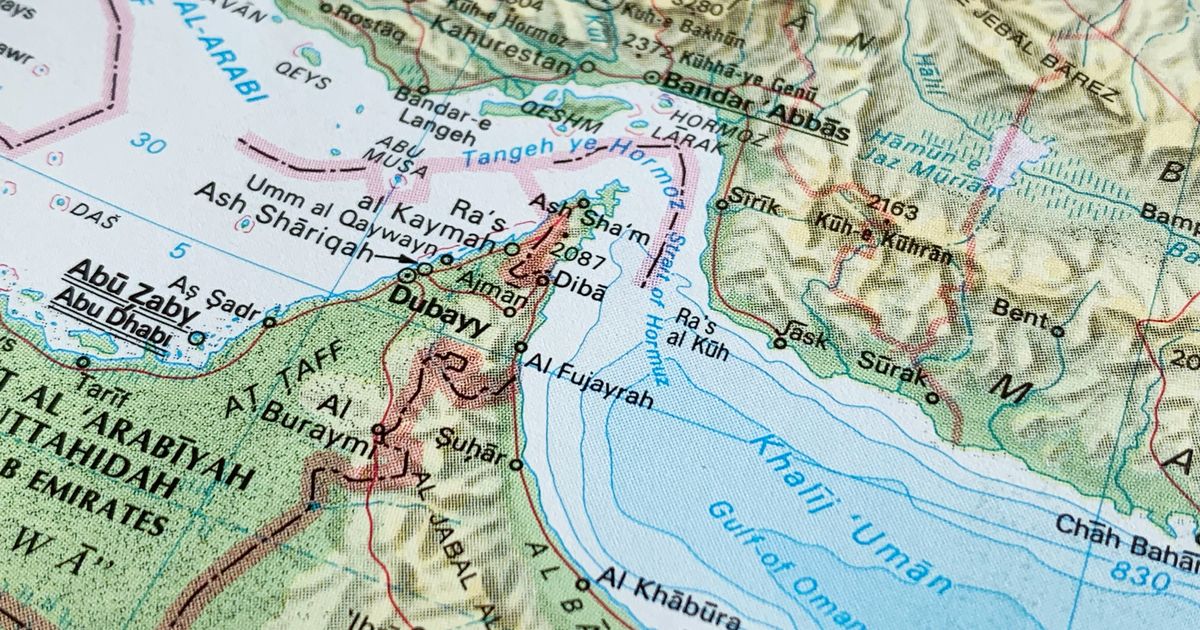
Iran Develops Plan for Control of Strait of Hormuz pro-government Pro-government coverage frames the Hormuz control plan as a sovereign, law-based initiative that aligns with international norms for strategic waterways and compensates Iran for its security expenditures. It emphasizes the plan’s regulatory clarity, its potential to generate legitimate revenue, and its role in deterring foreign threats rather than provoking new conflicts. @Политика @Telegraf Iranian and international reports agree that lawmakers on Iran’s National Security and Foreign Policy Commission have drafted, or are drafting, a multi-point plan aimed at asserting more structured control over maritime traffic in the Strait of Hormuz, a key chokepoint for global oil and gas shipments between the Persian Gulf and the Gulf of Oman. The plan is described as including provisions to regulate the passage and transit of commercial vessels and to levy fees based on factors such as cargo type and risk profile, with officials stating that the mechanism is modeled on existing international practices for strategic waterways. Both opposition and pro-government coverage note that Iranian authorities have already announced the start of such fee collection, that initial revenues have reportedly been transferred to the Central Bank of Iran, and that this move is being justified in terms of offsetting rising security and protection costs in a region marked by recurrent tensions and incidents at sea.
Across the spectrum, media accounts situate the initiative within the broader strategic importance of the Strait of Hormuz as a vital corridor for global energy exports and as a recurring flashpoint in Iran’s standoff with Western powers and regional rivals. Both sides reference Iran’s institutional actors, particularly the parliament’s security and foreign policy apparatus and the country’s maritime and security agencies, as central drivers of the policy, and they link the plan to longstanding Iranian complaints that it bears disproportionate security burdens in the waterway without adequate compensation. Coverage also converges on the idea that Iran is seeking to formalize and legalize practices such as monitoring, escorting, and in some cases challenging foreign shipping, casting the new framework as part of a longer trajectory of attempts to translate de facto regional influence into codified regulatory and financial mechanisms.
Areas of disagreement
Intent and objectives. Opposition-aligned outlets typically portray the plan as a coercive bid to weaponize a global choke point, arguing that Tehran’s real aim is to gain leverage over Western economies and regional adversaries by holding energy flows at risk. Pro-government media frame the same measures as a rational assertion of sovereignty and a defensive response to perceived encirclement and sanctions, insisting that Iran is only demanding recognition of its security role and fair compensation. While opposition coverage emphasizes the potential for blackmail and escalation, pro-government narratives stress legality, precedent, and deterrence against foreign interference.
Economic framing and impact. Opposition sources tend to warn that new transit fees and tighter Iranian control could raise shipping insurance costs, deter investment, and further isolate Iran by provoking new sanctions or countermeasures. Pro-government outlets instead highlight the plan as a source of legitimate state revenue and a means to offset expensive patrols, mine-sweeping, and anti-piracy operations, often citing parallels with other strategic waterways that charge passage fees. Where opposition coverage casts the policy as economically self-destructive and destabilizing for global markets, pro-government coverage presents it as a path toward economic resilience under pressure.
Security narrative. Opposition media usually connect the plan to a pattern of past tanker seizures, harassment of commercial vessels, and regional proxy conflicts, arguing that formalizing control will institutionalize brinkmanship and increase the risk of confrontation with Western navies. Pro-government outlets underscore instead the threats posed by foreign military deployments, attacks on shipping near Iran, and regional conflicts, portraying the framework as a regulated, rules-based alternative to ad hoc responses at sea. Thus, the opposition stresses Iran as a source of insecurity, while pro-government narratives emphasize Iran’s role as a security provider whose efforts are constrained by external aggression.
Legal and diplomatic posture. Opposition commentary often questions the compatibility of the plan with international maritime law and freedom-of-navigation norms, warning that unilateral control could trigger legal disputes or even coalition patrols to bypass or challenge Iran’s authority. Pro-government coverage insists that the measures are aligned with international practice, that Iran has the right to regulate traffic in its territorial waters and adjacent zones, and that outside powers have long ignored its legitimate security concerns. As opposition outlets anticipate diplomatic isolation and heightened tensions, pro-government sources instead suggest the plan could force a renegotiation of regional security arrangements on terms more favorable to Tehran.
In summary, opposition coverage tends to depict Iran’s Hormuz control plan as a dangerous escalation that weaponizes a vital waterway and undermines international norms, while pro-government coverage tends to present it as a lawful, overdue assertion of sovereignty and burden-sharing in securing one of the world’s most strategic maritime corridors. Story coverage
Write a comment