10 Arrested in Connection With Disappearance of Aleksandar Nešović
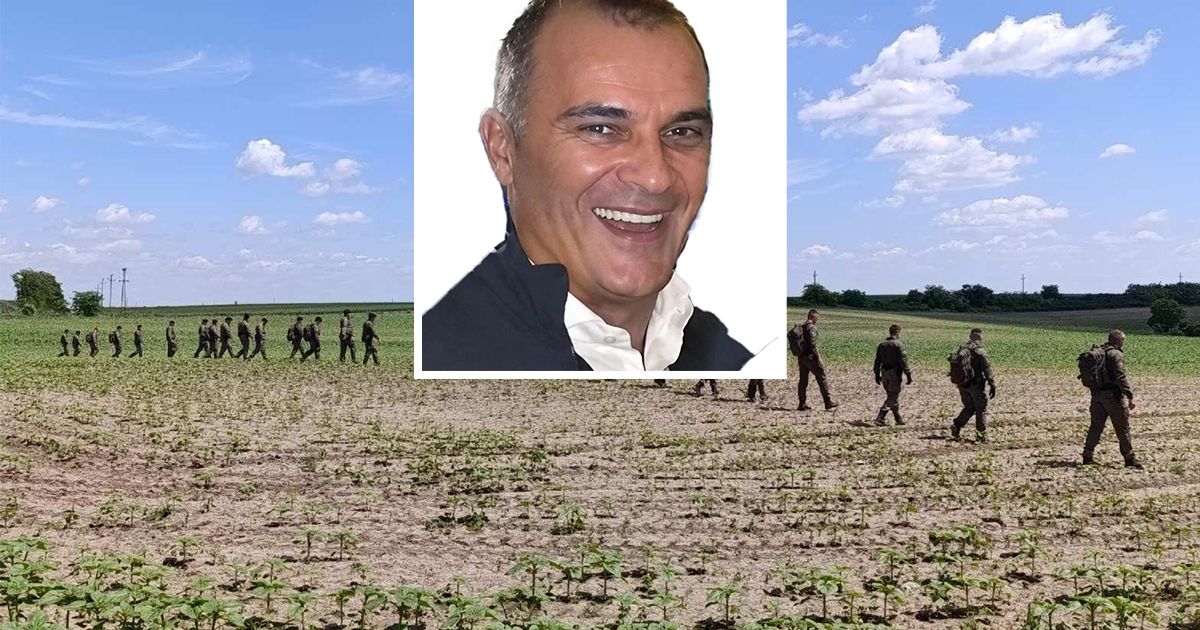
10 Arrested in Connection With Disappearance of Aleksandar Nešović Ten arrests, a missing body, and acid bottles in a burned‑out jeep: the “Senjak case” has turned a gangland disappearance into a full‑blown crisis of Serbia’s policing and political credibility.
The night in Senjak
On the night of 12–13 May, Aleksandar Nešović, known as Baja, went to a meeting at the “27” restaurant in Belgrade’s upscale Senjak neighborhood. Pro‑government tabloids now describe the episode bluntly as a brutal execution followed by a cover‑up, trumpeting that “restaurant footage in Senjak solves mystery” and that he was “brutally liquidated, then came the removal of all evidence.”
According to investigation documents cited by these outlets, Nešović was allegedly lured to the restaurant on the promise of resolving earlier conflicts, then shot, with blood traces and shell casings later recovered on site. The case quickly widened: the restaurant’s owner has hired heavyweight criminal lawyer Dragan Palibrk, after reports that he knew about the shooting but failed to call police.
From local hit to state scandal
As the story broke nationally, pro‑government media framed it as a necessary purge inside the security apparatus. One headline declared the “Senjak” case “shakes Serbia” and argued it is “time to draw a clear line and defend the professionalism of the service,” casting the affair as proof that a corrupt minority is being rooted out to protect the reputation of the state.
Reports from the scene describe elite Gendarmerie and SAJ units, alongside the army, combing the Jarkovac area near Inđija for Nešović’s body, after material evidence including handcuffs, blood, and acid were found. Another pro‑government piece underlined that “Nešović’s murder was planned, no one carries acid in their car just like that,” insisting the presence of acid shows premeditation and systematic destruction of evidence.
The acid, the experts, and the opposition angle
Opposition‑aligned daily Danas pushed the story in a darker direction: toward the possibility that Nešović’s body has been chemically erased. Chemistry professor Branimir Jovančićević stressed that hydrochloric (muriatic) acid “is one of the strongest inorganic acids and it has such destructive power that it can dissolve a human body.”
Danas links this directly to the investigation, noting that in the search for Nešović’s remains, police in the village of Putinci found a jeep containing “bottles with hydrochloric acid, traces of blood, as well as surgical gloves.” The paper underscores the political shock: Nešović was “shot in the presence of the assistant director of Serbian police and the head of the Belgrade Police Administration Veselin Milić,” and yet “even nine days after the murder… the competent police authorities have not found the body.”
Both sides agree on the hard facts: ten suspects arrested, including four police officers, and an intensive manhunt for a missing corpse. Where they diverge is in spin. Pro‑government media sell a story of cleansing and restored professionalism. Opposition voices see a state so entangled with organized crime that it may literally have helped dissolve the evidence.
Write a comment