European Central Bank to Discontinue 500 Euro Banknote
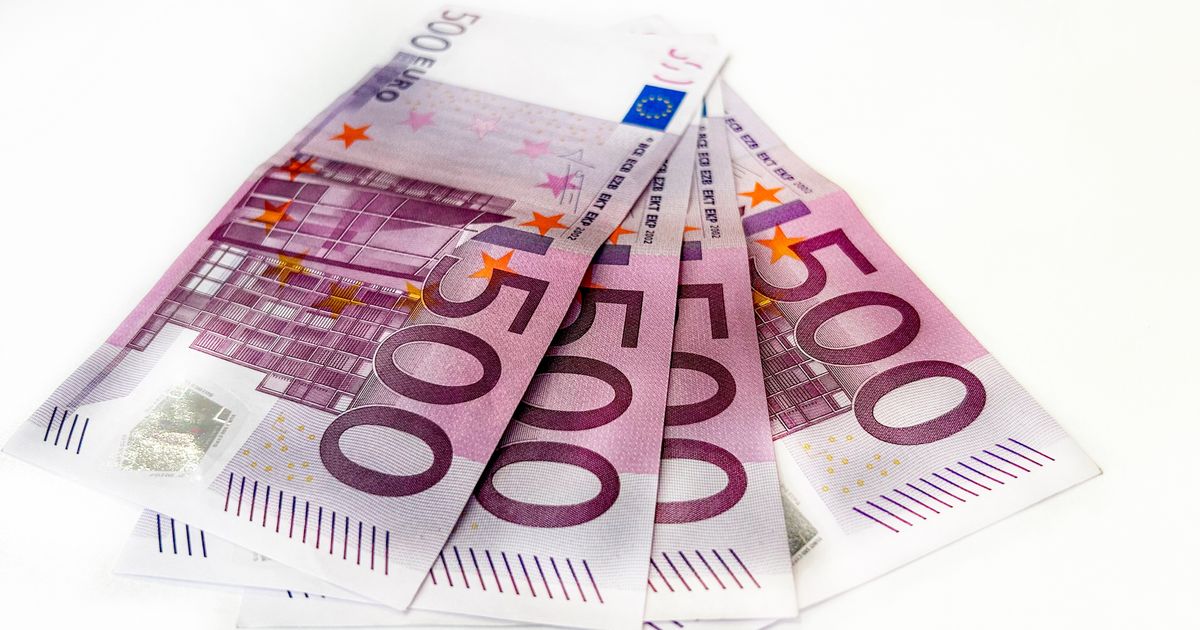
European Central Bank to Discontinue 500 Euro Banknote The euro’s most notorious banknote is being quietly retired. In a sweeping redesign of Europe’s currency, the European Central Bank (ECB) is scrapping the €500 note to target dirty money, while insisting that existing bills will remain usable indefinitely.
How the phase‑out began
The process started in late 2021, when the ECB launched what it calls one of the biggest overhauls of the euro in more than two decades. A full redesign of banknotes was set in motion, reshaping not only how the currency looks but which denominations survive.
By July last year, the ECB had opened a competition for European graphic designers, inviting proposals for an entirely new visual identity for euro notes. Designers who made the cut were given a deadline at the end of this month to deliver final concepts, after which a specialist jury and the ECB’s Governing Council will choose the winning series.
The 500 euro note gets the axe
Amid that process, pro‑government outlets in the region framed the move with tabloid drama: “SHOCK IN EUROPE: The Euro is Changing its Appearance, and a Well-Known Banknote is Being Abolished!” Another headline spelled it out more soberly: “500 Euro Banknote Abolished: Here’s How Long It Can Be Used.”
Both reports stress the ECB’s confirmation that there will be no €500 note in the new series, a decision taken “to reduce the risk of money laundering and facilitate the monitoring of financial flows.” Yet for savers, the central bank offers a crucial reassurance: existing €500 notes “will continue to be valid as legal tender and can be used without a time limit, even though new ones will no longer be printed.”
A symbolic shift in Europe’s cash culture
Pro‑government commentators present the redesign as a landmark in Europe’s monetary system, describing it as “one of the biggest changes in the eurozone in the last two decades.” Supporters hail a blow against illicit finance; skeptics will see another nudge toward a more traceable, less anonymous cash economy. Either way, the high‑value purple note is headed for history—even if it keeps buying things for years to come.
Write a comment