Singer Riste Velkov and Son Among Four Killed in North Macedonia Crash
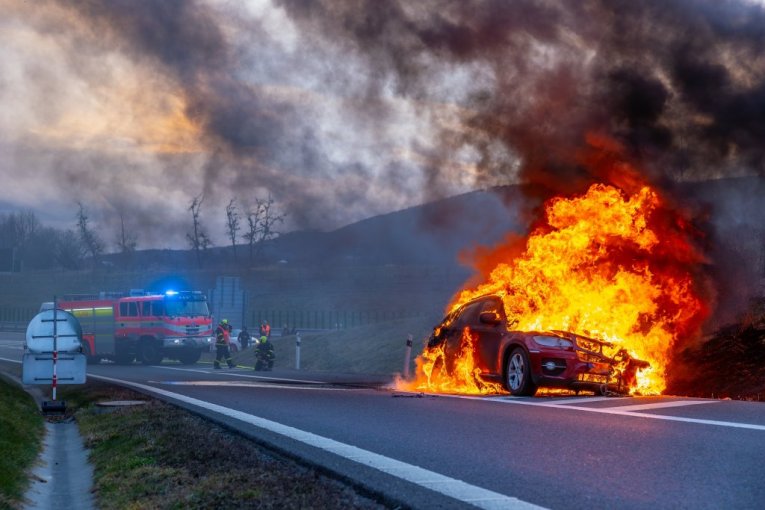
Singer Riste Velkov and Son Among Four Killed in North Macedonia Crash A late‑night drive on Skopje’s ring road ended in a fireball that killed four people and exposed just how quickly Balkan tragedy can be turned into spectacle and politics.
Shortly before midnight, on the Skopje bypass between the Vizbegovo overpass and the Mirkovci junction, a truck with Kosovo plates reportedly broke through the metal barrier into oncoming traffic and slammed head‑on into a BMW. The impact was so violent that the car “immediately caught fire,” leaving only a metal skeleton and four bodies burned beyond recognition on the asphalt. Early reports simply spoke of a “HORRIFIC TRAGEDY IN NORTH MACEDONIA! FOUR DEAD IN CRASH!” and a closed highway as firefighters battled the blaze through the night.
By dawn, police confirmed the victims included 51‑year‑old Skopje baritone Riste Velkov and his 20‑year‑old son Adam, along with two other young passengers. The Ministry of Interior said the 76‑year‑old truck driver from Kosovo had “lost control of the vehicle,” crossed into the opposite lane and collided with Velkov’s BMW, after which both vehicles burned; the driver was arrested at the scene. Preliminary investigation points to driver fatigue, with police sources saying the trucker “allegedly lost consciousness due to tiredness” before veering across the barrier.
As investigators combed the wreckage, the media narrative split. Some outlets leaned into the horror and shock value, publishing “first images of the horrific accident” and looping video of firefighters fighting the flames. Others personalized the loss, reminding readers that “everyone loved” the singer and hailing Velkov as “one of the leading Macedonian baritones” whose voice left an “indelible mark” on the country’s musical culture.
More sensationalist pro‑government tabloids pushed a harsher frame, blaring that an “Albanian (76) drove the killer truck” and that an “ALBANIAN LOST CONSCIOUSNESS, THEN CAUSED A TERRIBLE COLLISION,” explicitly tying the tragedy to the driver’s ethnicity and Kosovo plates. In this telling, the crash becomes another cautionary tale about foreign drivers and weak cross‑border oversight.
Yet across the coverage, one thread is shared: a famous Balkan singer is dead, his son with him, and a routine night on the bypass has turned into a national wake.
Write a comment