One Dead, Multiple Injured in Explosion at MOL Plant in Hungary
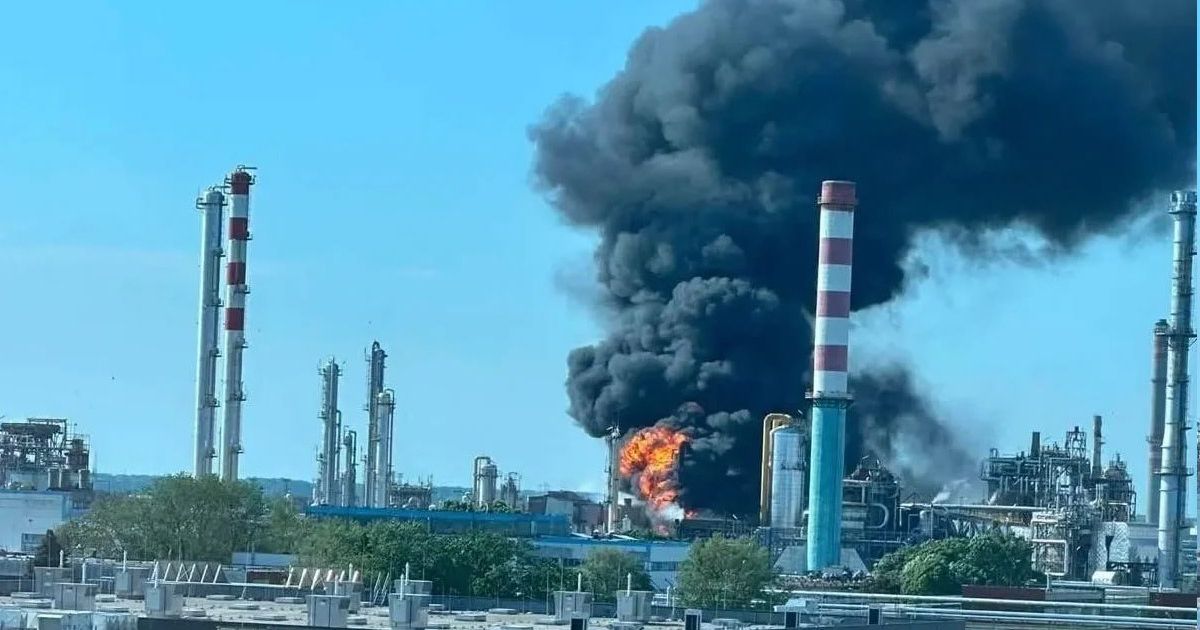
One Dead, Multiple Injured in Explosion at MOL Plant in Hungary An industrial giant went dark in seconds: a blast tore through MOL’s Olefin‑1 unit in Tiszaújváros, killing one worker, injuring several others and jolting Hungary’s flagship petrochemical hub.
The explosion and immediate chaos
Early reports out of eastern Hungary spoke of a “major explosion” at the MOL Petrolkémia plant, with one dead and multiple injured as fire crews fought a blaze visible from surrounding areas. Coverage quickly converged on the same basic facts: the blast hit during the restart of the Olefin‑1 facility, which produces key building blocks for plastics.
Pro‑government outlets framed the scale starkly but clinically: “Explosion at MOL Plant: One Dead, Several Injured,” one headline read, underscoring the human toll while stressing that intervention was “currently underway” and the fire “localized.”
Officials move to contain the damage — and the narrative
Within hours, Economy and Energy Minister István Kapitány was on site, announcing that “a compressor exploded at MOL’s Olefin‑1 plant in Tiszaújváros during the plant’s startup,” and insisting the fire had been contained. Emergency services activated a mass‑casualty protocol, dispatching ambulances, three rescue helicopters and numerous units to the scene.
Local authorities rushed to calm fears. The mayor of Tiszaújváros said no public‑safety measures were needed, while county disaster management stressed that “the surrounding population is not in danger,” backed by a mobile lab measuring no hazardous substances above legal limits.
MOL’s line: industrial accident, not sabotage
MOL’s messaging has been tightly aligned with the government. Company statements describe an explosion “during the process of restarting the ‘Olefin‑1’ plant” followed by a fire that was “quickly localized,” with experts “already engaged in determining all circumstances that led to this unfortunate event.”
MOL chief Zsolt Hernádi went further, calling it an “industrial accident” caused by a hydrocarbon explosion in a pipeline under maintenance, stressing that the plant was not in operation and that “no traces of external influence were found.”
The subtext is clear: one worker is dead, others badly burned, but the state‑corporate machine wants the story to end at “contained incident” — long before anyone starts asking deeper questions about safety in Hungary’s showcase petrochemical complex.
Write a comment