Pro-government says Balkan Boxing 14 will put Serbia’s boxing talent in the spotlight
Pro-government says Balkan Boxing 14 will put Serbia’s boxing talent in the spotlight
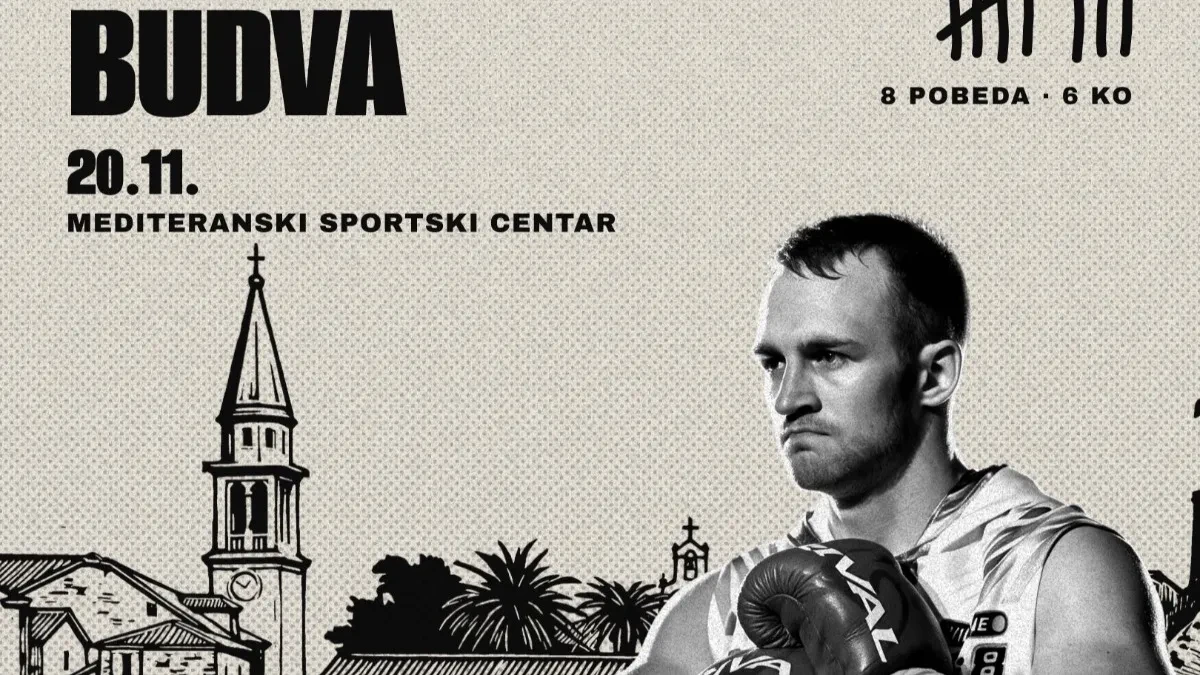
Balkan Boxing 14 is presented across the spectrum as a major boxing event scheduled for November 20th in Serbia, featuring Vladimir Mirončikov in his 10th professional fight and a title bout for the WBO Inter-Continental belt between Milorad Žižić and Juan Narvaez. Coverage agrees that Mirončikov is notable for having won Serbia’s first World Championship boxing medal in 26 years back in 2021, that he enters the event with a professional record of eight wins and one loss, and that the fight card also includes Jovan Nikolić, Almir Memić, Aleksandar Konovalov, and Marko Marić. Both sides also acknowledge that tickets are being sold online and that proceeds from the event are earmarked for charitable causes, framing Balkan Boxing 14 as both a sports spectacle and a philanthropic initiative.
Opposition and pro-government outlets situate the event within Serbia’s broader boxing ecosystem, recognizing that it reflects a revival of interest in the sport following a long medal drought that ended with Mirončikov’s 2021 World Championship success. They both highlight that Balkan Boxing 14 is part of a continuing series of regional gala events aimed at building professional careers for local fighters while reinforcing Serbia’s visibility on the European boxing scene. There is agreement that domestic clubs, promoters, and national and international boxing bodies such as the WBO are involved, and that the show functions as a platform to showcase Serbian talent, attract regional competition, and cultivate a new generation of boxers who can transition from amateur success into professional prominence.
Areas of disagreement
Purpose and significance. Pro-government coverage portrays Balkan Boxing 14 as a landmark spectacle that will put Serbian boxing talent in the spotlight and confirm a national sporting renaissance, closely linking Mirončikov’s story to Serbia’s international image. Opposition-aligned commentary, where it appears, tends to frame the event as a mid-level regional show whose sporting value is real but not transformative, warning against inflating its global importance. While pro-government sources treat the gala as proof that Serbia is becoming a regional boxing hub, opposition sources are more likely to describe it as one of several commercial events driven by promoters rather than a systemic breakthrough.
Role of the state and institutions. Pro-government outlets emphasize or imply supportive roles by state-linked sports structures and federations, presenting Balkan Boxing 14 as evidence that public policies and institutional backing are nurturing elite athletes. Opposition coverage, by contrast, downplays or questions state credit, suggesting that individual coaches, clubs, and private promoters shoulder most of the burden and that institutional support is often politicized or selective. Where pro-government narratives see coordinated national effort behind Mirončikov and his peers, opposition sources stress gaps in funding, infrastructure, and transparent governance in boxing and sport more broadly.
Charity and public image. Pro-government media heavily spotlight the charitable nature of the ticket proceeds, casting the event as proof of social responsibility and as a feel-good story that unites sport, patriotism, and philanthropy. Opposition-leaning voices acknowledge the charitable component but are more inclined to question whether highlighting donations functions as image management for organizers and political patrons, especially in a context of broader social and economic problems. Thus, what pro-government outlets frame as altruism and solidarity, opposition outlets are likelier to frame as a public-relations strategy attached to a commercial sports product.
Framing of Mirončikov’s success. Pro-government coverage elevates Mirončikov as a national symbol whose 2021 world medal validates the country’s sports system and whose presence on the Balkan Boxing 14 card confirms Serbia’s rising status in global boxing. Opposition narratives, while recognizing his achievement and talent, tend to stress his individual resilience and coaching environment rather than systemic strength, and may also point to the complexities of his background and federation politics as underreported factors. Where pro-government media celebrate a straightforward hero story aligned with national progress, opposition outlets are more inclined to highlight structural challenges that his success does not fully resolve.
In summary, opposition coverage tends to treat Balkan Boxing 14 as a meaningful but limited commercial sports event that exposes ongoing structural weaknesses and politicization in Serbian sport, while pro-government coverage tends to cast it as a flagship national spectacle that showcases Serbia’s boxing resurgence, institutional effectiveness, and social responsibility.
Write a comment